Critical Steps For Effective Mold Mitigation In Palm Beach County Homes
Dealing with mold in your home can be a daunting experience. In Palm Beach County, where humidity levels can soar, mold growth is a common issue that many homeowners face. Understanding the critical steps for effective mold mitigation can save you time, money, and the health of your family. Ignoring mold can lead to serious health risks and even structural damage to your home, so it's vital to take action as soon as you notice any signs.
Identifying Mold Growth
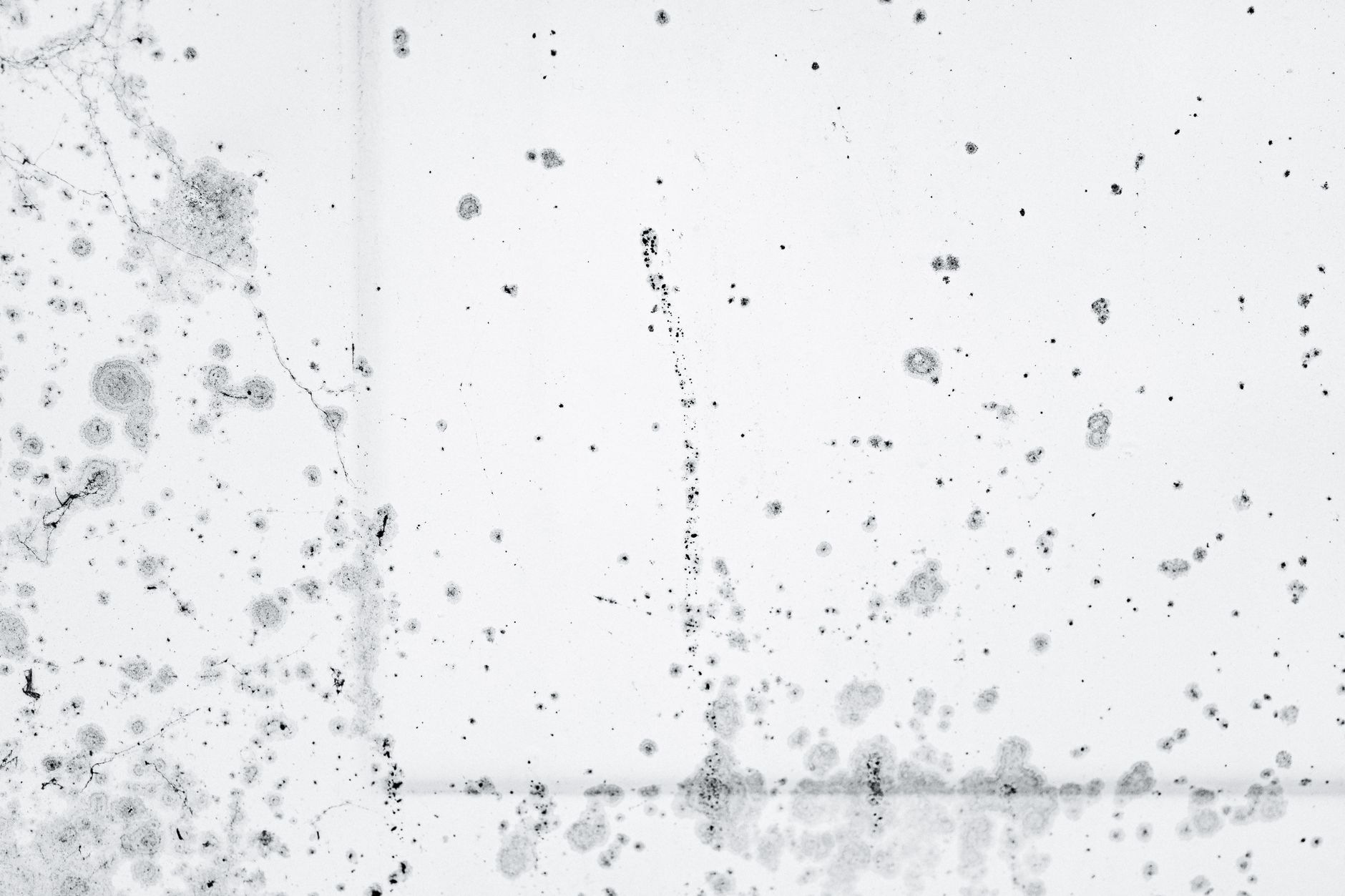
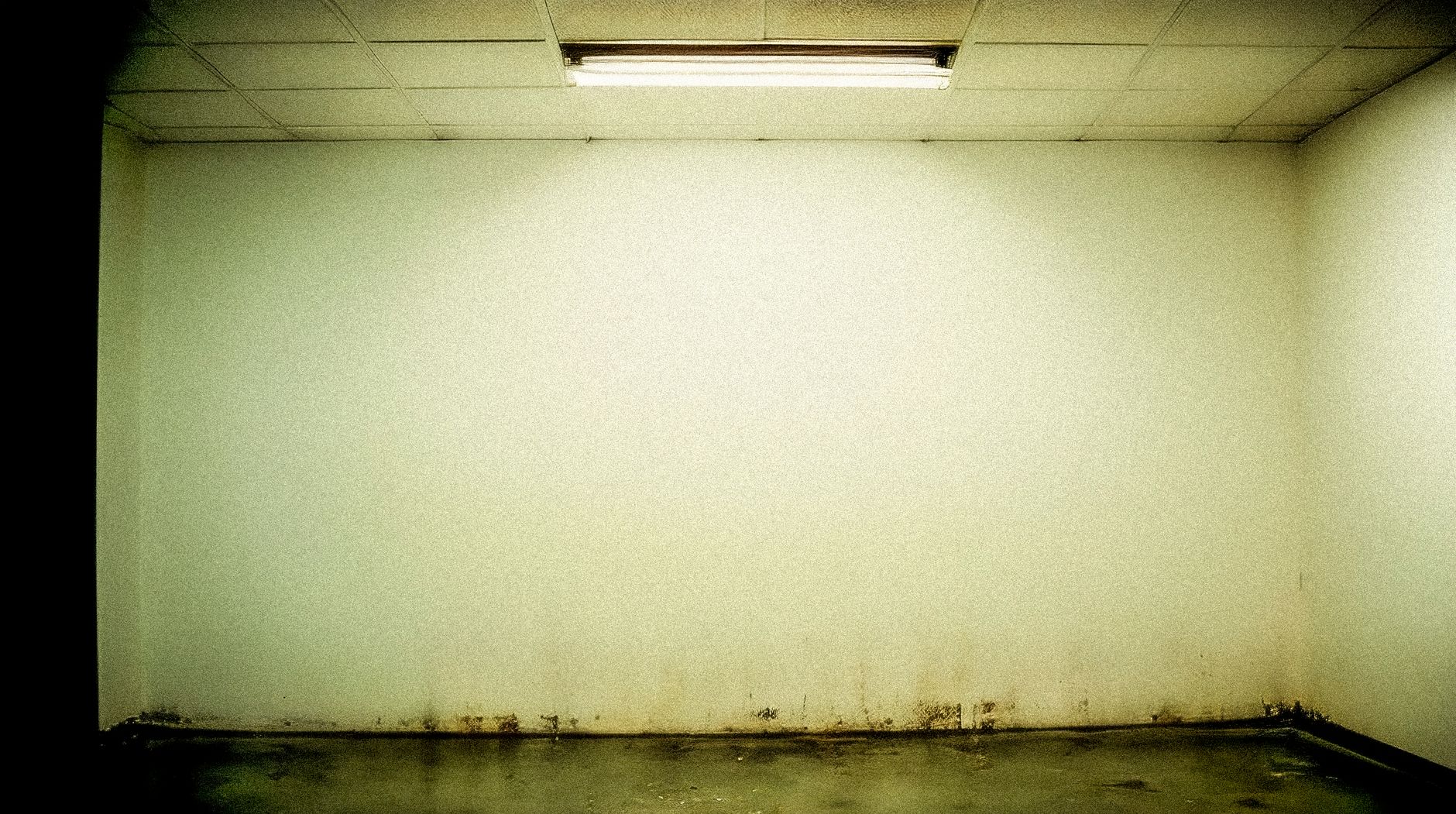
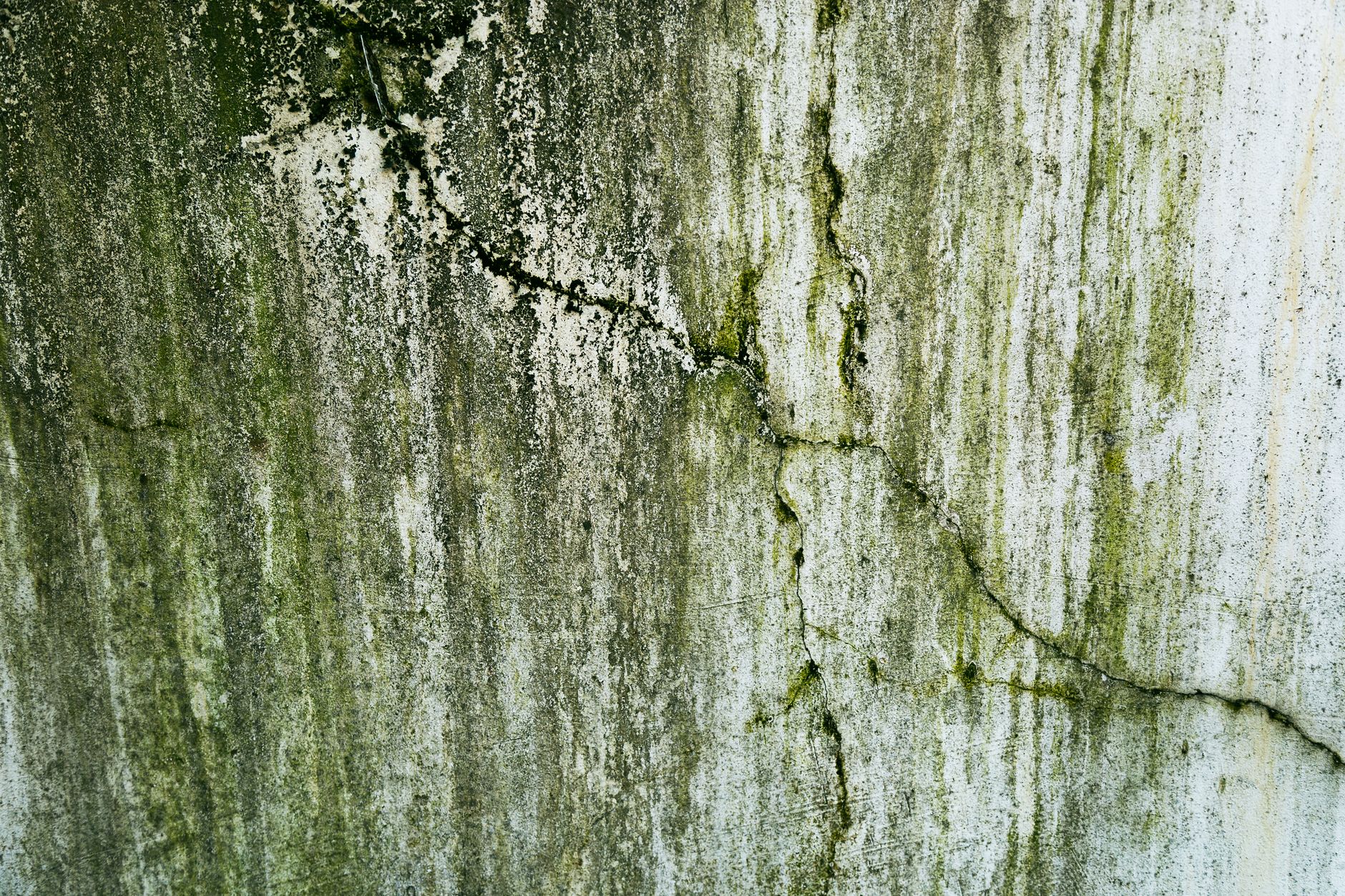
The first step in mold mitigation is identifying where mold is growing. Mold can grow in various areas of your home, especially in damp locations like basements, bathrooms, and kitchens. Look for visible signs of mold, such as black or green spots on walls, ceilings, or around windows. Additionally, pay attention to any musty odors, which can indicate hidden mold.
Assessing the Source of Moisture
Since mold thrives in moist environments, finding the source of excess moisture is crucial. Common sources include:
- Leaky pipes or appliances
- Condensation on windows and walls
- Roof leaks or poor drainage systems
Once you've identified the moisture source, it's essential to address it immediately to prevent further mold growth. If the problem stems from plumbing issues, consider reaching out for professional help. You can learn more about our appliance leak cleanup services to resolve water issues efficiently.

Containment and Removal
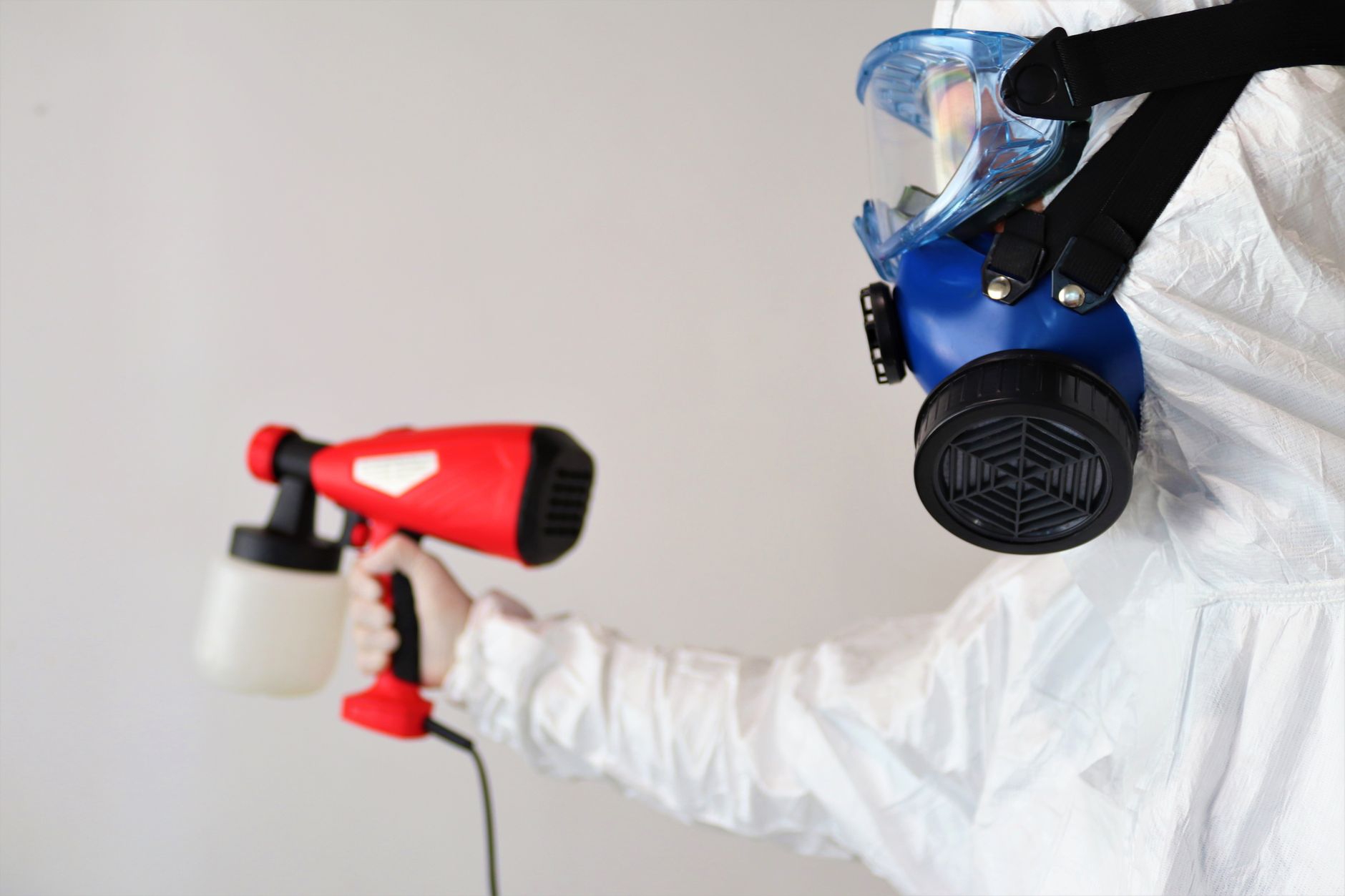
After addressing the moisture source, it's time to contain the mold. This step is critical to prevent spores from spreading to unaffected areas of your home. Close off doors and windows in the affected area, and use plastic sheeting to seal off any openings. It's advisable to wear protective gear, including gloves, goggles, and a mask, when handling mold.
For small areas of mold (less than 10 square feet), you can often handle the removal yourself. Use a mixture of water and detergent to scrub the affected surfaces. However, for larger infestations, or if you are dealing with black mold, it’s best to contact professionals. Our team specializes in black mold removal and can ensure safe and thorough remediation.
Drying and Cleaning the Area
Once the mold has been removed, it’s crucial to dry the area thoroughly. Use fans and dehumidifiers to expedite the drying process. The goal is to reduce humidity levels to below 60% in order to prevent mold from returning. Cleaning the area with an antimicrobial solution can also help eliminate residual spores and prevent future growth.
Monitoring for Future Growth
After the mold has been removed and the area is dry, continue to monitor the affected space. Regularly check for any signs of moisture and mold return. Implementing preventative measures, such as using dehumidifiers and ensuring proper ventilation in your home, can significantly reduce the likelihood of mold reappearing.
When To Call A Professional
If you discover extensive mold growth, or if it's affecting your HVAC system, it's time to call in the experts. Professional mold mitigation services can assess the situation and recommend effective strategies for complete remediation. Don't hesitate to reach out for 24-hour water damage restoration if you suspect mold is impacting your home’s air quality.
In Palm Beach County, understanding and acting quickly on mold issues is vital. Remember, the health of your family and the integrity of your home depend on how quickly and effectively you mitigate mold. For further assistance, consider exploring the services offered by Broward Restoration Pros, who can provide expert help in mold remediation.
Conclusion
In conclusion, effective mold mitigation involves identifying growth, addressing moisture sources, containing and removing mold, and monitoring the area afterward. By taking these critical steps, you can protect your home and family from the dangers of mold. For more information on mold issues, check out this insightful article on post-fire smoke odor removal in Broward homes, which highlights the importance of comprehensive restoration practices.