How To Create A Comprehensive Disaster Recovery Plan For Palm Beach Homeowners
As a homeowner in Palm Beach, you know that the beautiful weather can sometimes take a turn for the worse, leading to unforeseen disasters. Whether it's a severe storm, a plumbing emergency, or unexpected water damage, being prepared can make all the difference. A comprehensive disaster recovery plan is essential for ensuring that you and your loved ones remain safe and that your property is protected.
Understanding the Importance of a Disaster Recovery Plan
Imagine coming home after a storm to find water pooling in your living room or discovering a burst pipe that has caused extensive damage. In such moments, having a plan in place can save you time, stress, and money. A well-thought-out disaster recovery plan helps you act quickly and efficiently, minimizing damage and ensuring your family’s safety.

Evaluating Risks in Your Area
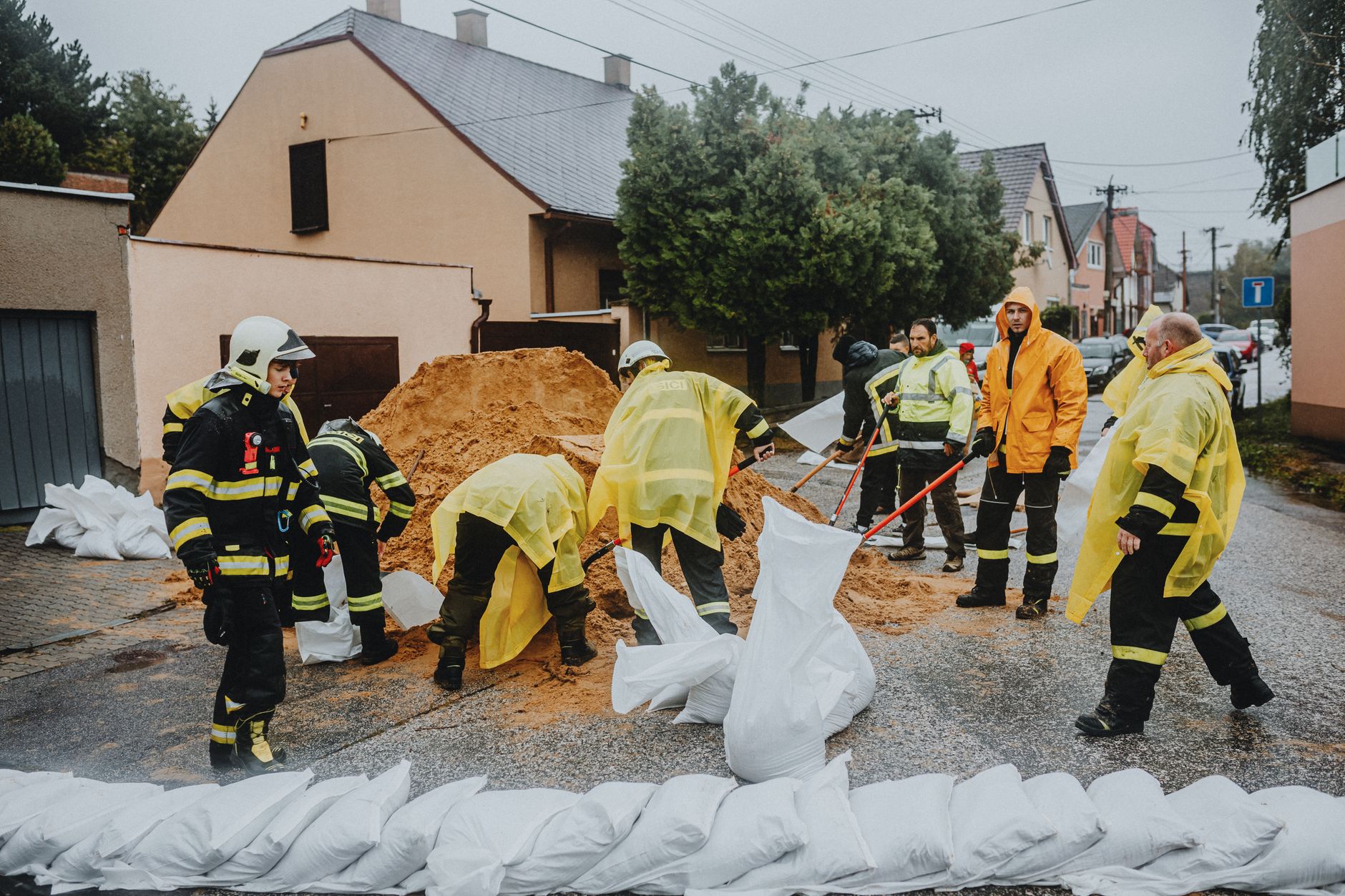
The first step in creating your disaster recovery plan is to assess the specific risks associated with your property. In Palm Beach, common threats include:
- Hurricanes and tropical storms
- Flooding due to heavy rains
- Water damage from plumbing failures
By understanding the potential hazards, you can tailor your plan to address the most likely scenarios. This evaluation will help identify which areas of your home may require special attention or reinforcement.
Creating Your Disaster Recovery Plan
Here are several key components you should include in your comprehensive disaster recovery plan:
1. Emergency Contacts
Compile a list of emergency contacts, including family members, neighbors, and local restoration services. Keep this list in an easily accessible area, both physically in your home and digitally on your devices.
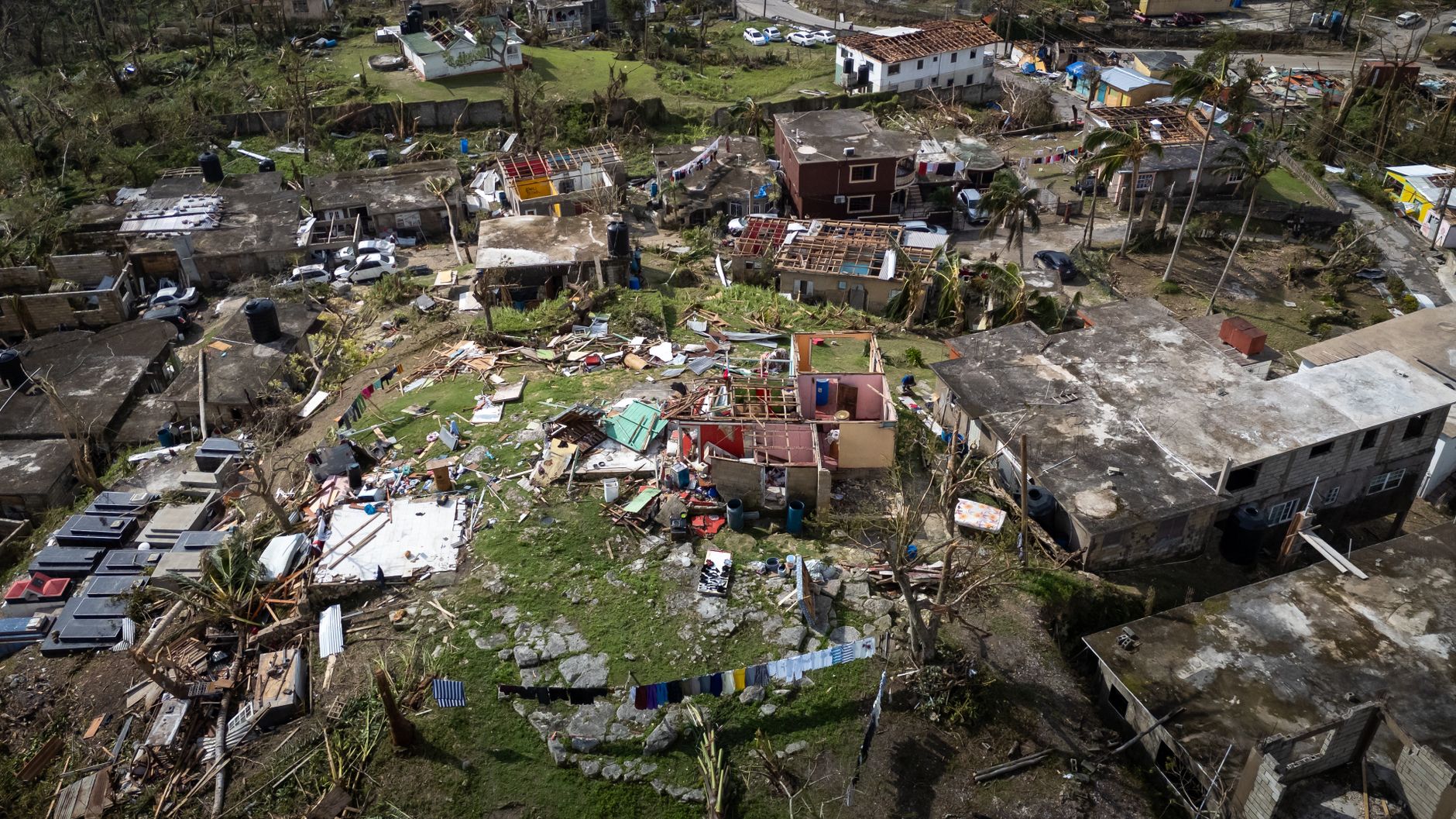
2. Document Inventory
Take the time to document your possessions, especially high-value items. Consider using photographs or videos for a visual record, which can be invaluable when filing insurance claims. Store this documentation in a safe place, such as a safety deposit box or a cloud storage solution.
3. Mitigation Strategies
Implement strategies to mitigate damage before disasters occur. For instance, ensure your gutters are clean and functioning, install sump pumps in basements, and inspect plumbing for hidden leaks. Regular maintenance is key to reducing risks.
4. Recovery Procedures
Define clear recovery procedures that outline steps to take during and after a disaster. This may involve shutting off utilities, contacting your insurance provider, and calling restoration professionals. Having these steps written down will streamline your actions during a stressful time.
5. Communication Plan
Ensure that all family members are aware of the plan and know their roles. Establish a communication method to stay in touch if separated during an emergency. This could include group text messages or a designated meeting place.
When to Call a Restoration Professional
Despite your best efforts, disasters can still lead to significant damage. Knowing when to call a professional restoration service is crucial. If you encounter extensive water damage, mold growth, or structural issues, it's time to seek help. A trusted local service like Broward Restoration Pros can provide the necessary expertise to restore your home effectively.
Insurance Considerations
Understand your insurance coverage. Review your policy to know what is covered in case of water damage or other disasters. This knowledge can help you make informed decisions during recovery. If you're unsure about your coverage, consider reaching out to an insurance agent for clarification.
Maintaining Your Disaster Recovery Plan
Lastly, remember that your disaster recovery plan is a living document. Regularly review and update your plan to reflect any changes in your home or family situation. Consider scheduling annual reviews, especially after significant weather events.
In the face of potential disasters, preparation is your best defense. By creating a comprehensive disaster recovery plan, you ensure that you and your family are equipped to handle whatever comes your way. For more tips on water damage prevention, check out this informative article on water damage prevention.