How Humidity Levels Impact Mold Growth In Palm Beach Homes
Living in Palm Beach brings the joy of sunny beaches and tropical weather, but it also comes with its own challenges—especially when it comes to humidity. High humidity levels can create the perfect breeding ground for mold, posing health risks and causing damage to your home. Understanding how humidity influences mold growth is crucial for homeowners looking to protect their living spaces.
Why Humidity Matters
Humidity refers to the amount of moisture in the air. When humidity levels exceed 60%, it creates a conducive environment for mold spores to thrive. This is particularly concerning in areas like Palm Beach, where tropical storms and high temperatures can raise indoor humidity levels significantly. Mold can start to grow on surfaces within just 24 to 48 hours of water exposure, making it essential to control humidity effectively.

The Science Behind Mold Growth
Mold spores are ubiquitous in our environment. They can enter your home through open windows, doors, or ventilation systems. When the humidity is high, these spores find the moisture they need to germinate and proliferate. Mold can grow on various surfaces, including wood, drywall, and fabric. Some common types of mold found in humid environments include Aspergillus, Cladosporium, and Stachybotrys (black mold), each posing different health risks.
Signs of Mold Growth
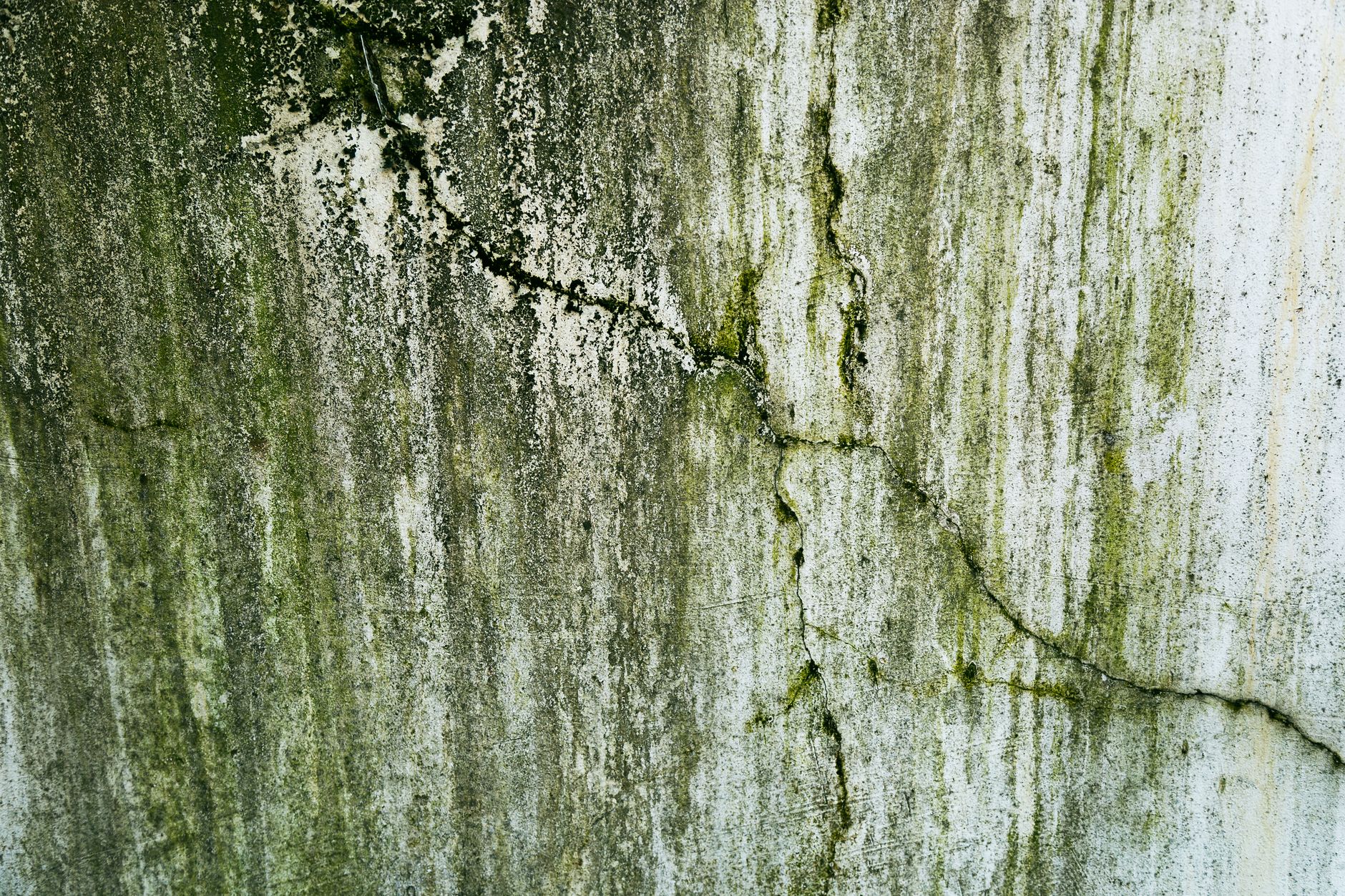
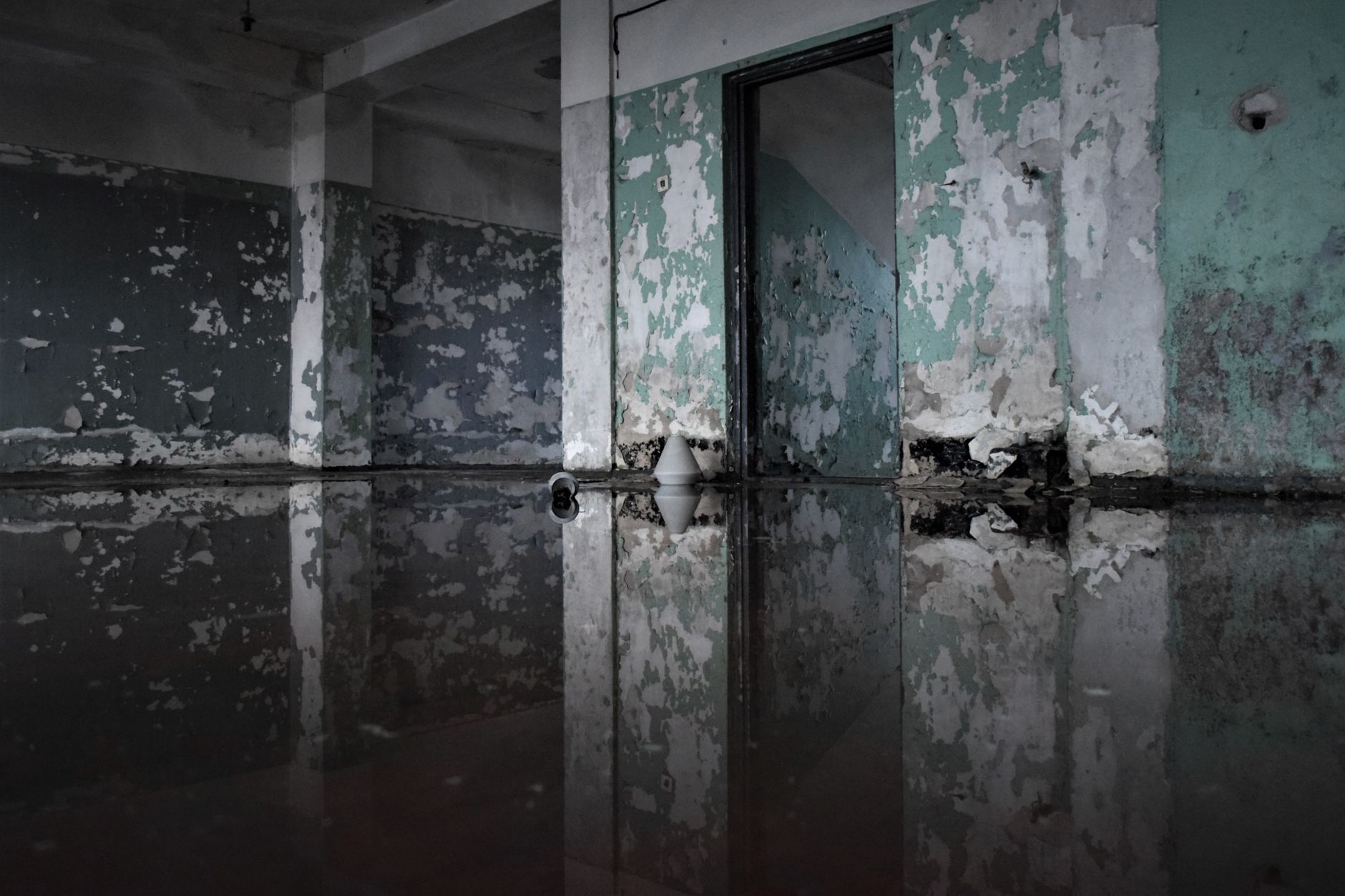
Recognizing the signs of mold growth early can save you from costly repairs and health issues. Here are some symptoms to watch out for:
- Visible mold spots on walls, ceilings, or floors
- A musty odor lingering in the air
- Increased allergy symptoms such as sneezing or coughing
- Water stains on walls or ceilings
If you notice any of these signs, it’s time to act quickly. Mold can spread rapidly, and remediation becomes more difficult as it grows.
Controlling Humidity Levels
Preventing mold growth starts with controlling humidity in your home. Here are some effective strategies to manage humidity:
- Use dehumidifiers in high-moisture areas like basements and bathrooms.
- Ensure proper ventilation in your home, especially in kitchens and bathrooms.
- Seal any leaks in plumbing or roofs that can introduce moisture.
- Regularly clean and maintain your HVAC system to prevent moisture buildup.
Keep the indoor humidity level between 30% and 50% for optimal mold prevention. You can use a hygrometer to monitor humidity levels easily.
When to Call a Professional
If you suspect mold growth in your home or experience persistent humidity problems, it’s wise to consult a professional restoration service. Experts can conduct a thorough inspection and provide mold removal services tailored to your needs. In some cases, it may also involve remediation to ensure your home is safe and healthy.
It's important to remember that some mold issues can be covered by home insurance. If you face significant mold damage due to water exposure, consult your insurance provider to understand your coverage options. Learning more about insurance claims help can also be beneficial in these situations.
Further Reading on Mold and Humidity
For those looking to dive deeper into how humidity affects mold growth, you can explore resources from experts. For instance, this article provides insights specific to Broward County, highlighting the importance of monitoring humidity levels in mold prevention.
Mold growth is not just an aesthetic issue; it can lead to serious health risks and damage to your property. Understanding how humidity impacts mold is the first step in keeping your home safe and comfortable. If you find yourself dealing with a mold issue, don’t hesitate to reach out to a restoration professional for immediate assistance.
For effective mold remediation, consider Broward Restoration Pros for expert services tailored to your needs.