How To Identify and Address Mold Issues After Storm Damage In Palm Beach
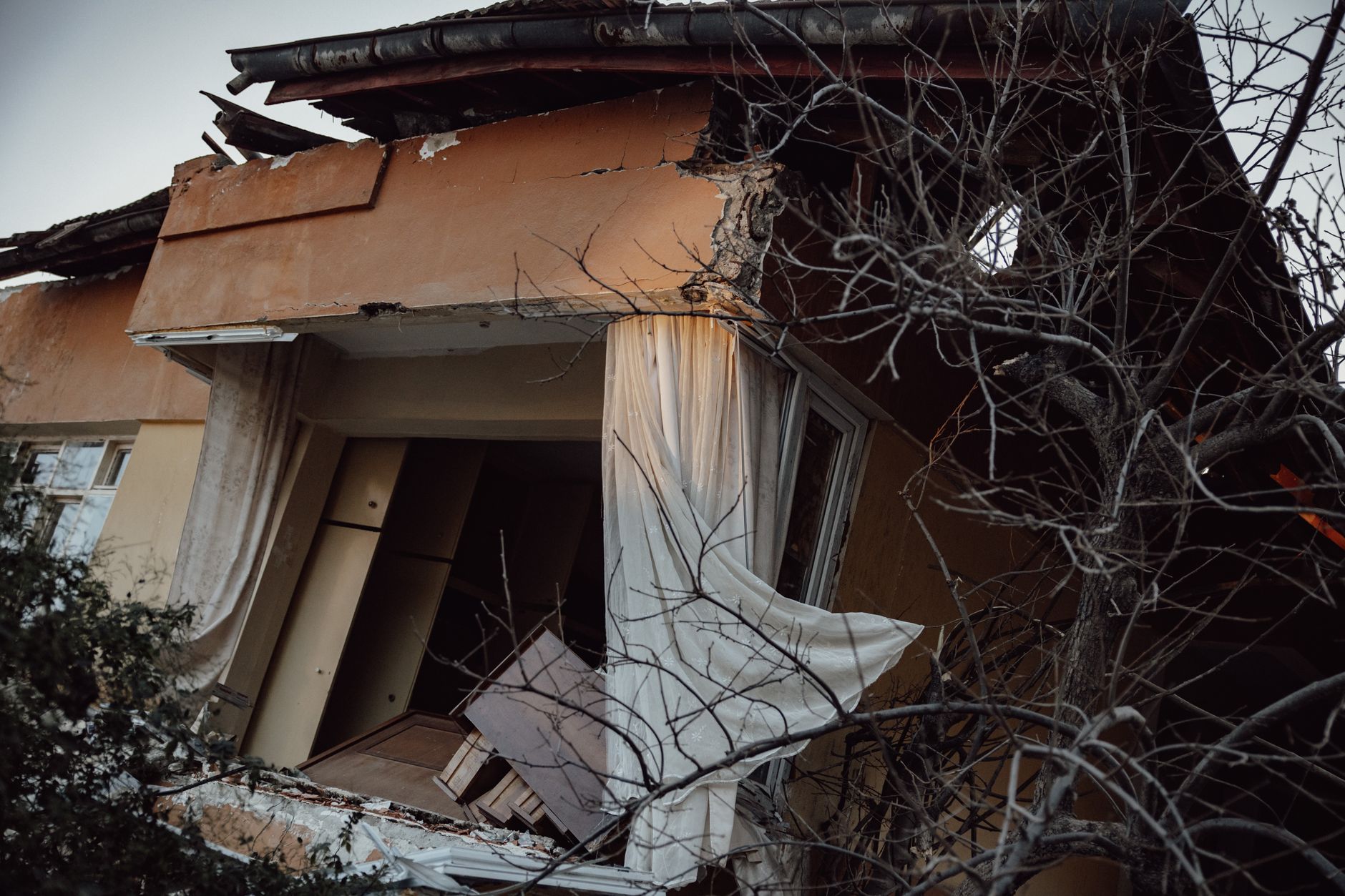
Experiencing storm damage is a distressing situation that many homeowners in Palm Beach face. The torrential rains and strong winds can lead to not only immediate damage but also long-term consequences like mold growth. It’s crucial to act swiftly and knowledgeably to identify and address any mold issues that may arise.
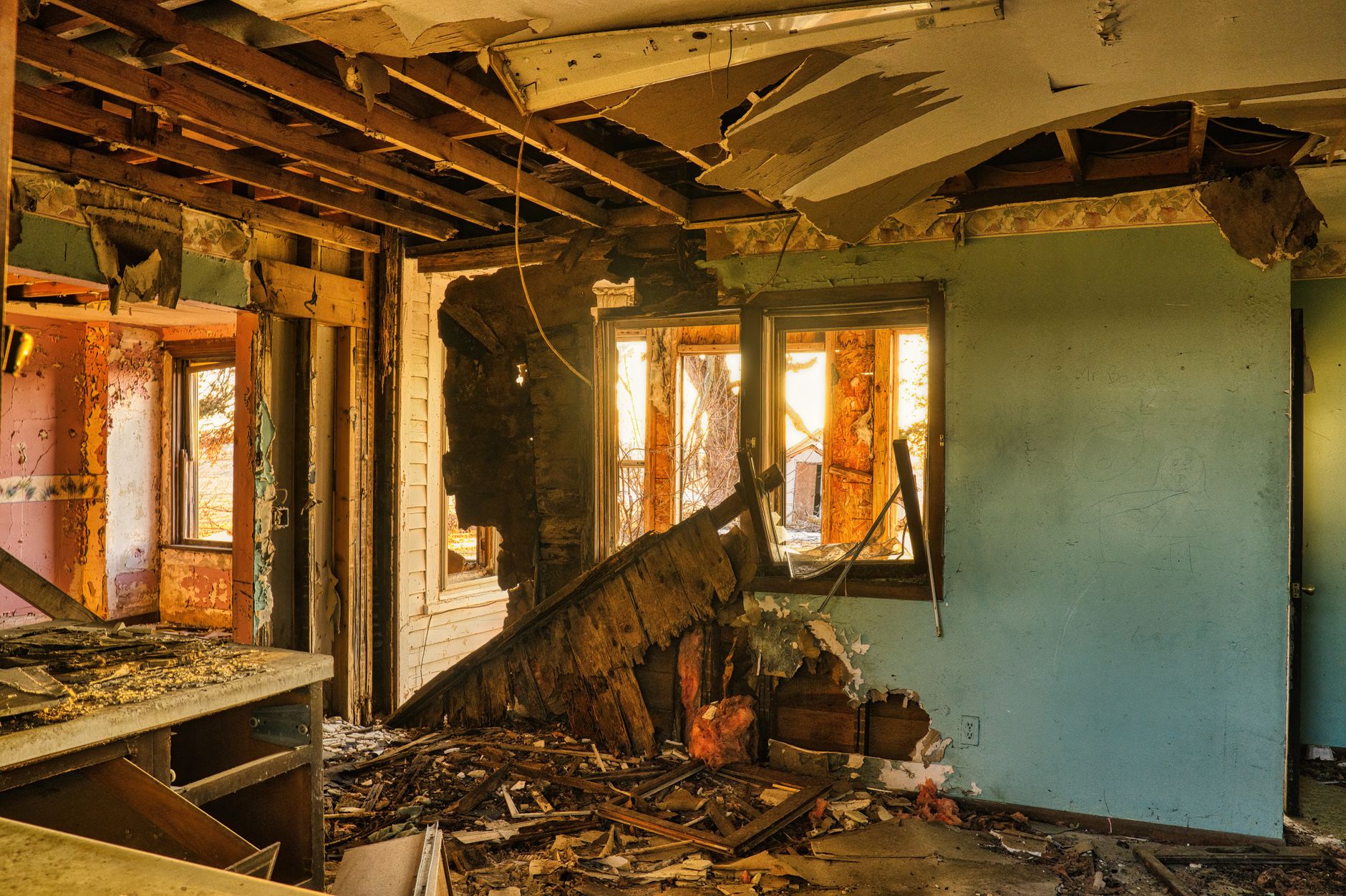
After a storm, the first step is to assess the condition of your home. Look for visible signs of water intrusion, such as damp spots on walls and ceilings, or puddles of water in your basement or attic. These areas are prime candidates for mold development, especially in the humid environment of Palm Beach.
Understanding Mold Growth
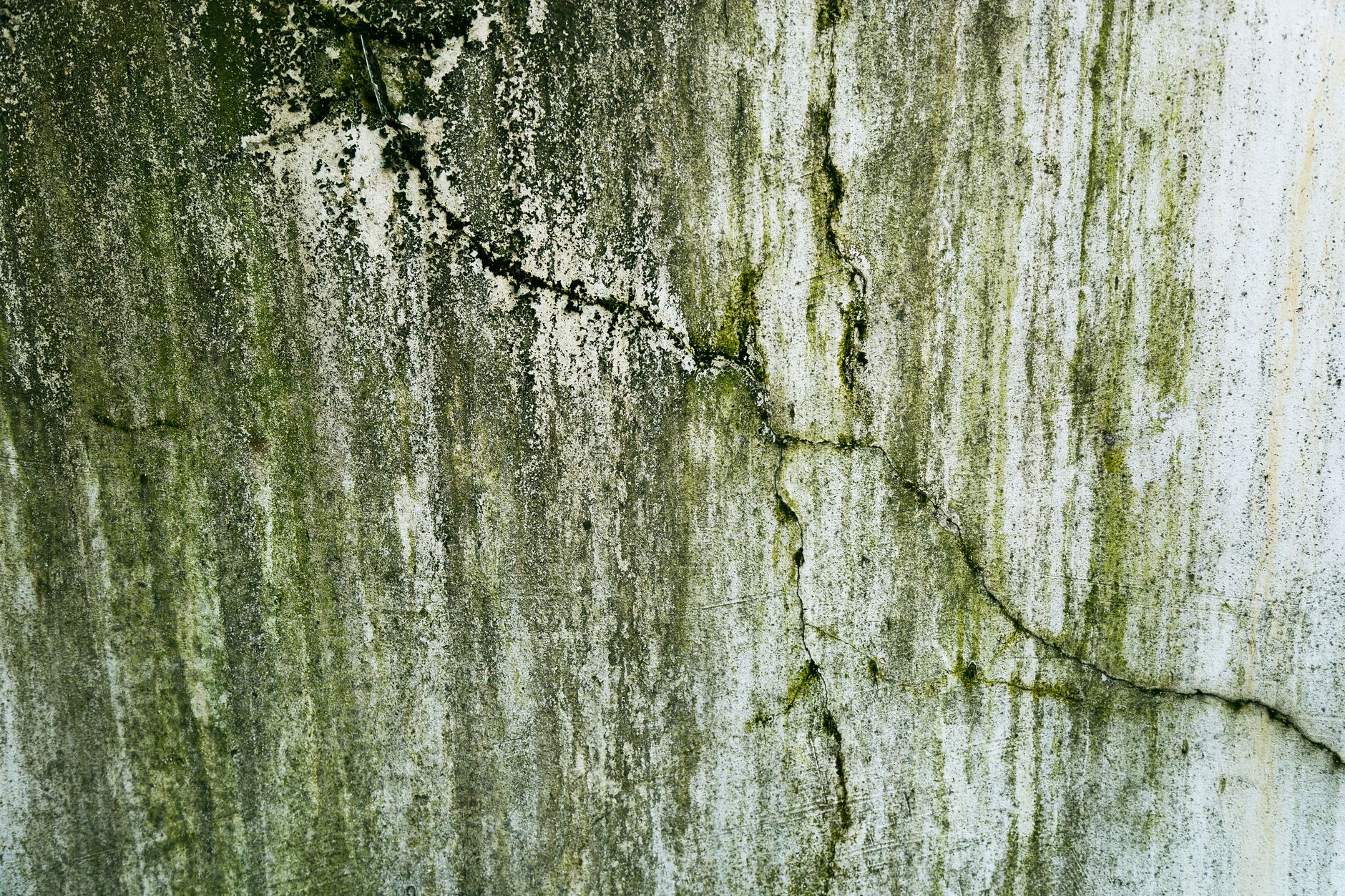
Mold thrives in moist environments, making homes susceptible after heavy rainfall or flooding. If water is not dried within 24 to 48 hours, mold spores can begin to grow, leading to health risks and structural damage. Common types of mold you might encounter include black mold, which is particularly hazardous, and other varieties that can cause respiratory issues.
Signs of Mold Presence
Identifying mold can sometimes be straightforward, but other times it may be hidden from view. Here are some signs to watch for:
- Musty odors that are persistent and strong.
- Visible mold growth, which can appear as spots or stains in various colors.
- Increased allergy symptoms among household members, such as sneezing, coughing, or skin irritation.
- Peeling or bubbling paint, which can indicate moisture behind the walls.
If you notice any of these signs, it’s critical to take action.
Steps to Address Mold Issues
Once you suspect mold in your home, follow these steps to address the problem:
- Assess the Damage: Inspect the areas affected by water. This includes checking hidden spaces like behind drywall or underneath carpets.
- Ensure Safety: If mold is visible or you suspect its presence, wear protective gear such as gloves, goggles, and a mask to prevent inhalation of spores.
- Remove Affected Materials: If drywall, carpeting, or insulation is severely affected by mold, it may need to be removed and disposed of properly.
- Dry the Area: Use fans, dehumidifiers, and natural ventilation to dry out the space thoroughly.
- Apply Antimicrobial Treatment: Consider using antimicrobial solutions to kill remaining mold spores and prevent regrowth.
- Monitor and Maintain: After remediation, keep an eye on the areas to ensure that mold does not return.
For extensive mold damage or if you’re uncomfortable handling the situation, professional help is available. Restoration specialists are equipped to handle significant mold infestations safely and effectively.
When to Call a Professional
It’s essential to know when to seek professional assistance. If the affected area is larger than 10 square feet, or if you notice a persistent musty smell even after cleaning, it’s time to call in experts. They can provide thorough assessments and use specialized equipment to remediate the mold safely.
After addressing mold issues, you may want to consider preventive measures for the future, including improving drainage around your home and ensuring that your gutters are clean and functioning properly. These steps can help mitigate the risk of mold growth after future storms.
For more information on how to prepare your home for potential mold growth after storm damage, check out this helpful guide from Broward Restoration Pros.
Ultimately, while dealing with storm damage and potential mold growth can be overwhelming, a proactive approach can save you time, money, and stress. If you find yourself in need of immediate assistance, don’t hesitate to reach out to a trusted restoration service. You can always rely on our team for 24-hour water damage restoration services in Palm Beach.