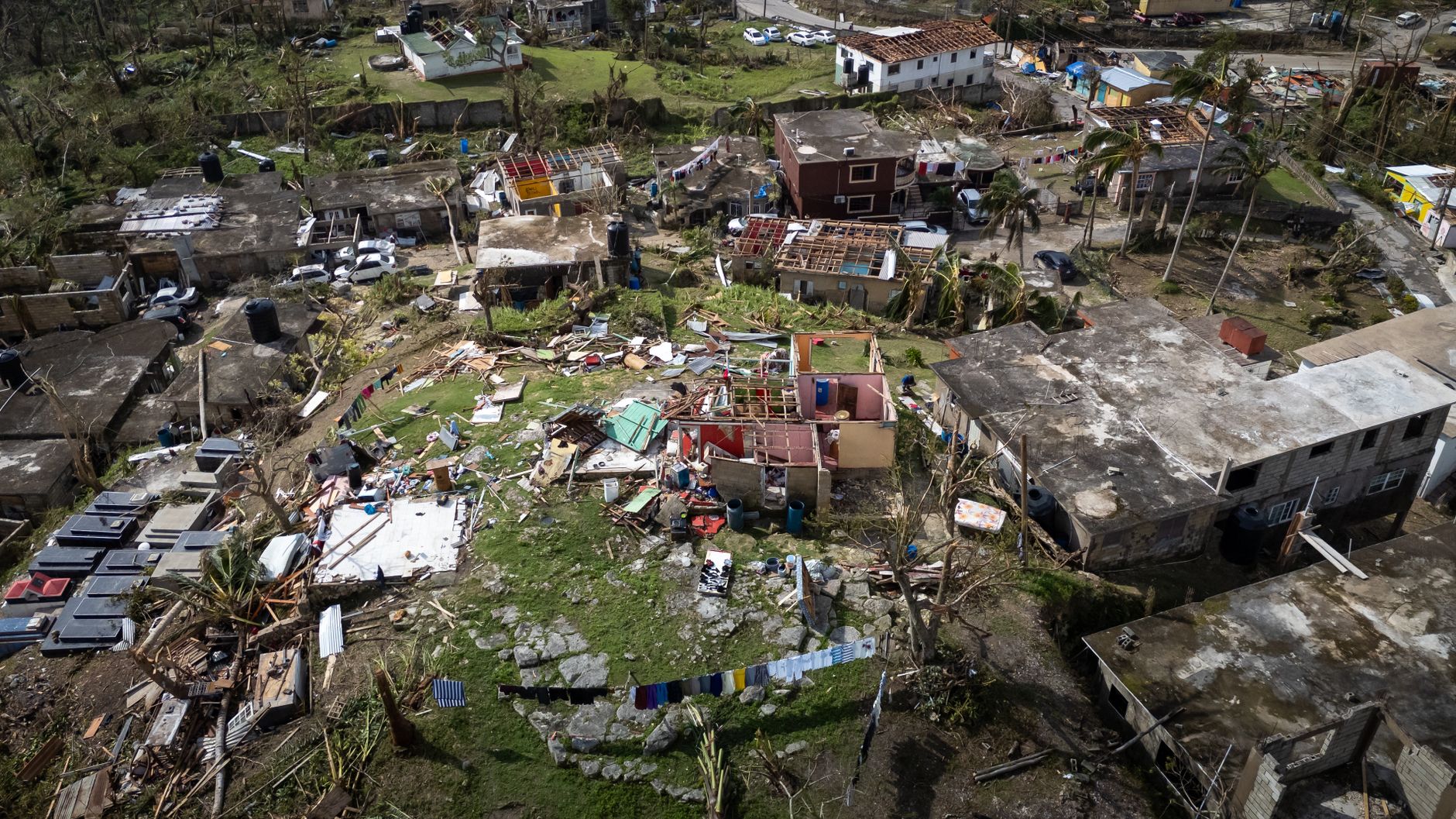
Navigating The Challenges Of Mold Remediation After A Tropical Storm In Palm Beach
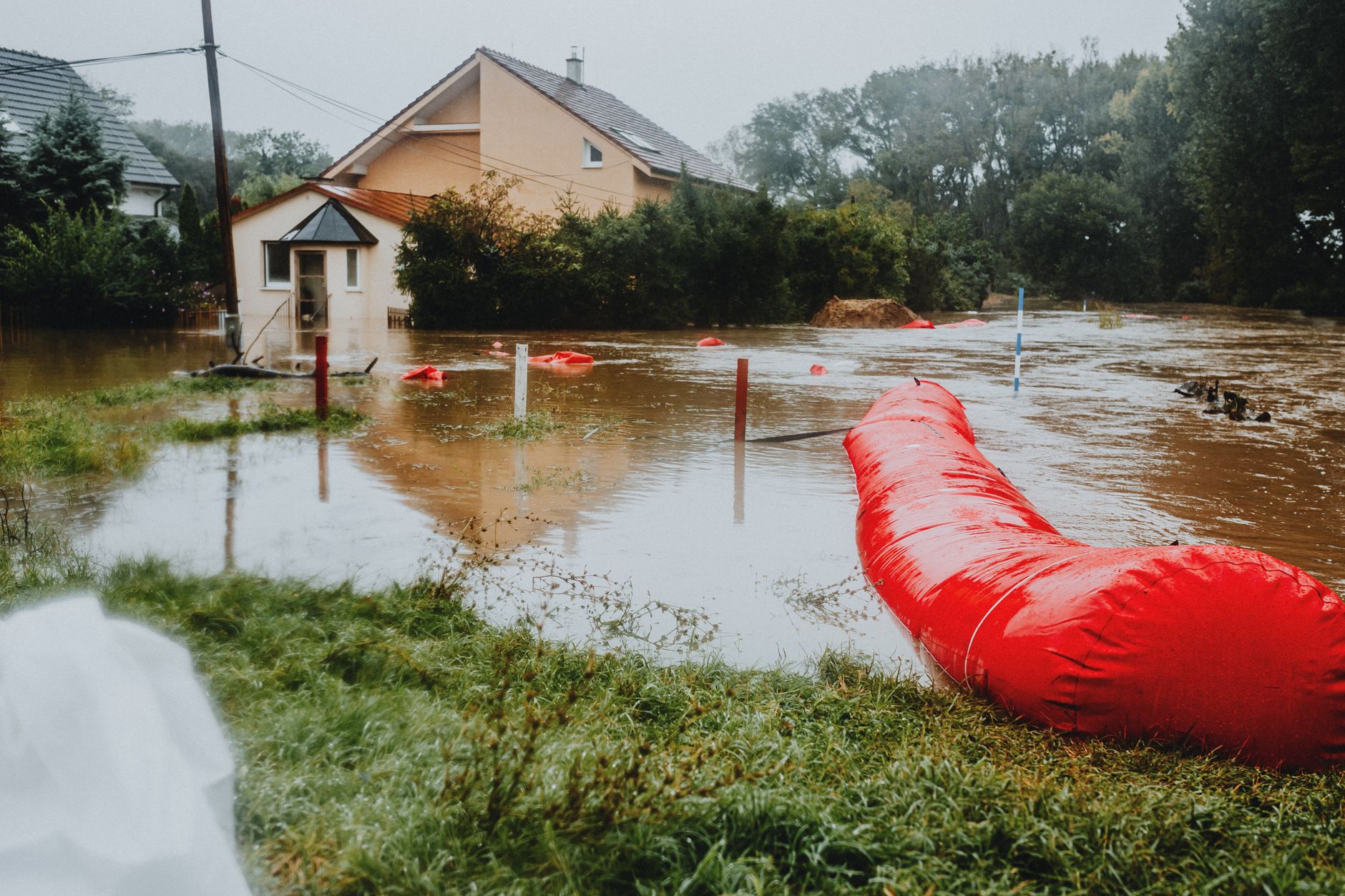
As a homeowner in Palm Beach, experiencing the aftermath of a tropical storm can be a daunting reality. Beyond the initial chaos and disruption, the lurking threat of mold can pose serious health risks and structural problems if not addressed promptly. Mold spores thrive in damp environments, and tropical storms often leave behind conditions ripe for their growth. Understanding how to navigate the challenges of mold remediation is crucial for safeguarding your home and ensuring your family's safety.
After a storm, it’s not uncommon to encounter water damage in various areas of your home. From leaky roofs to flooded basements, these issues can lead to excess moisture that promotes mold growth. It's essential to act quickly. Here are a few steps to consider:
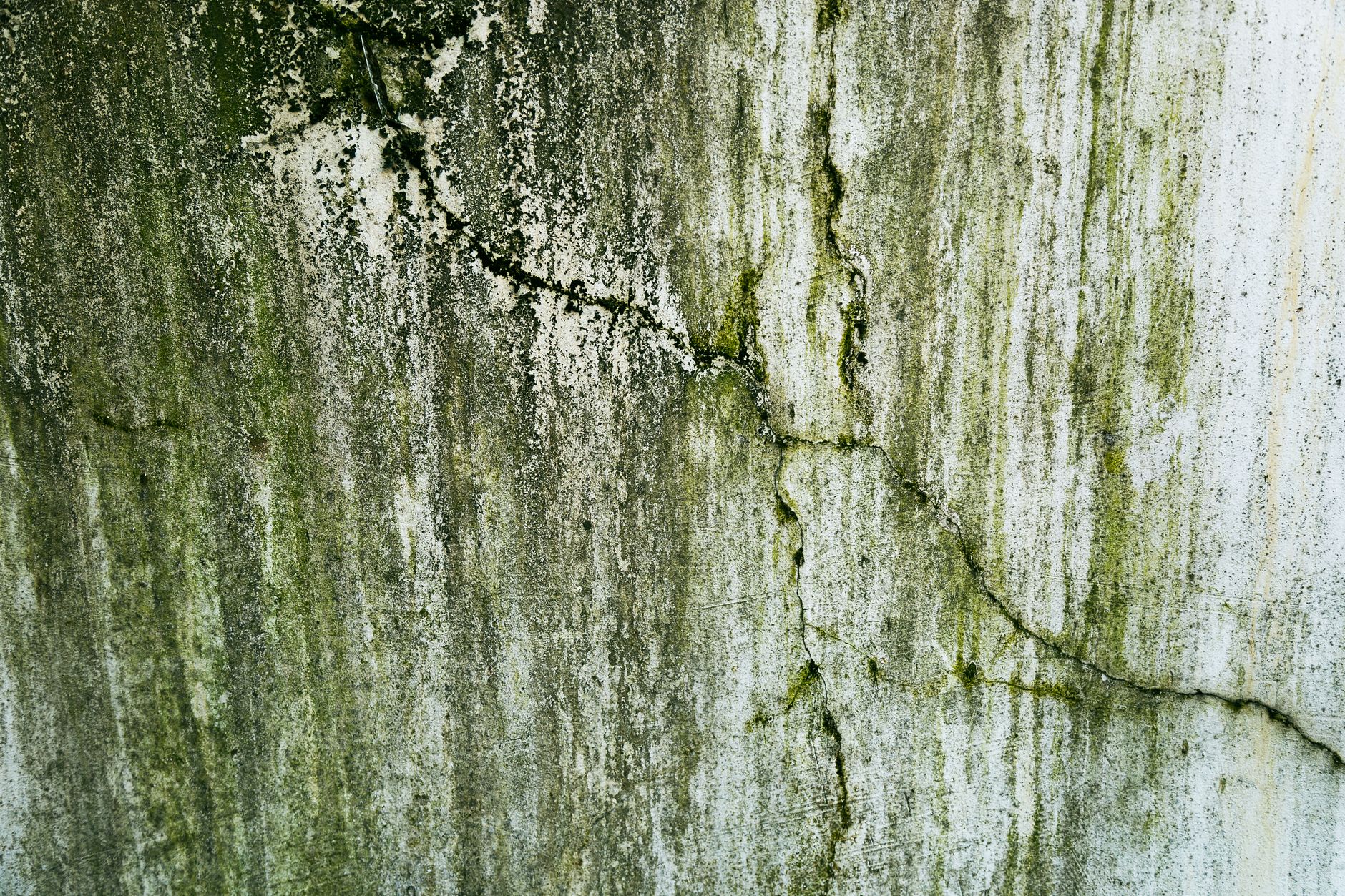
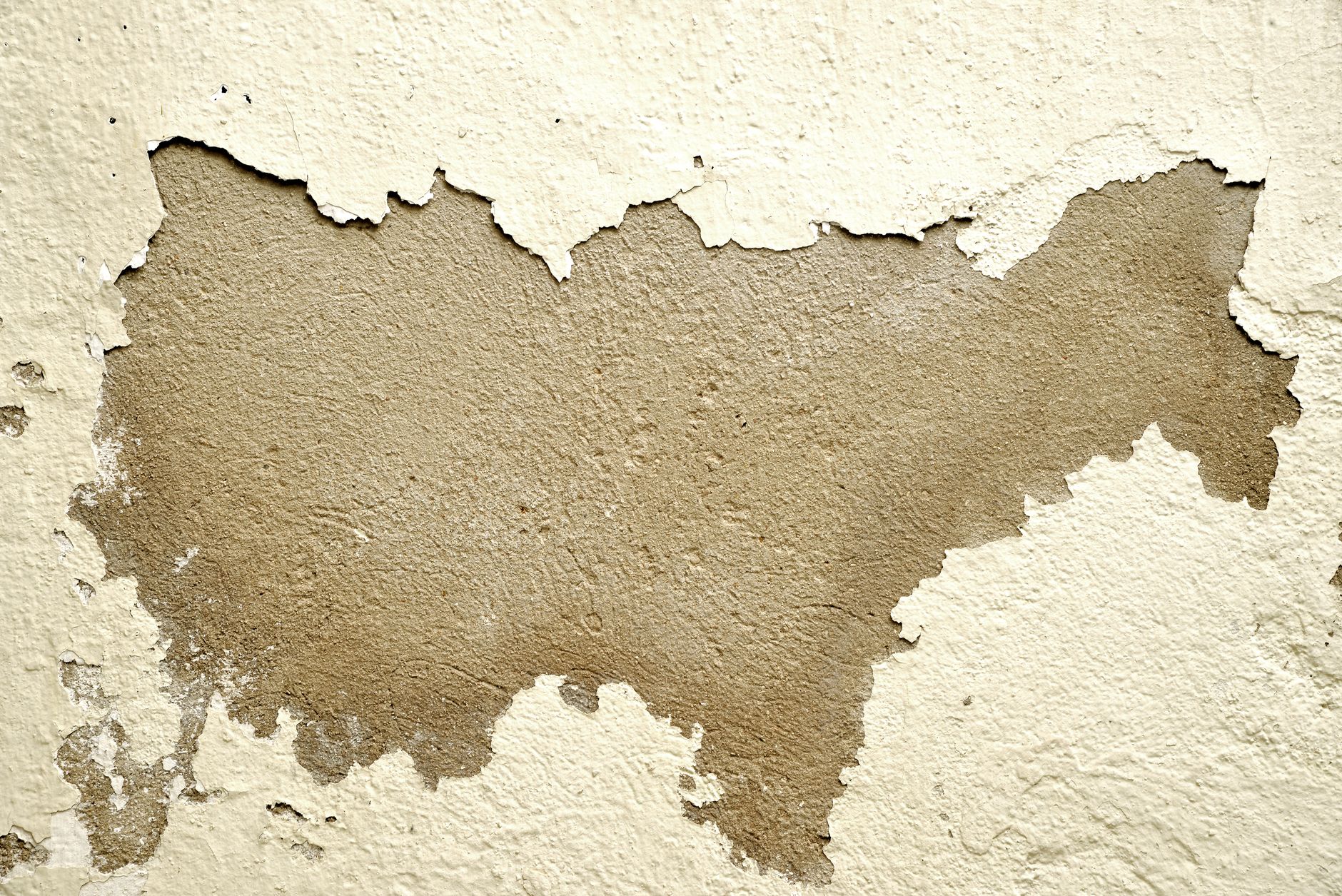
- Assess Damage: Inspect your property for visible water damage, including discolored walls, ceilings, and floors.
- Identify Moisture Sources: Determine where the water intrusion occurred—whether through leaks, flooding, or condensation.
- Dry Out Affected Areas: Use fans, dehumidifiers, and ventilation to dry wet areas thoroughly. This is critical in preventing mold growth.
- Evaluate Mold Presence: Look for signs of mold, such as a musty smell or visible mold on surfaces. If you suspect hidden mold, consider professional inspection.
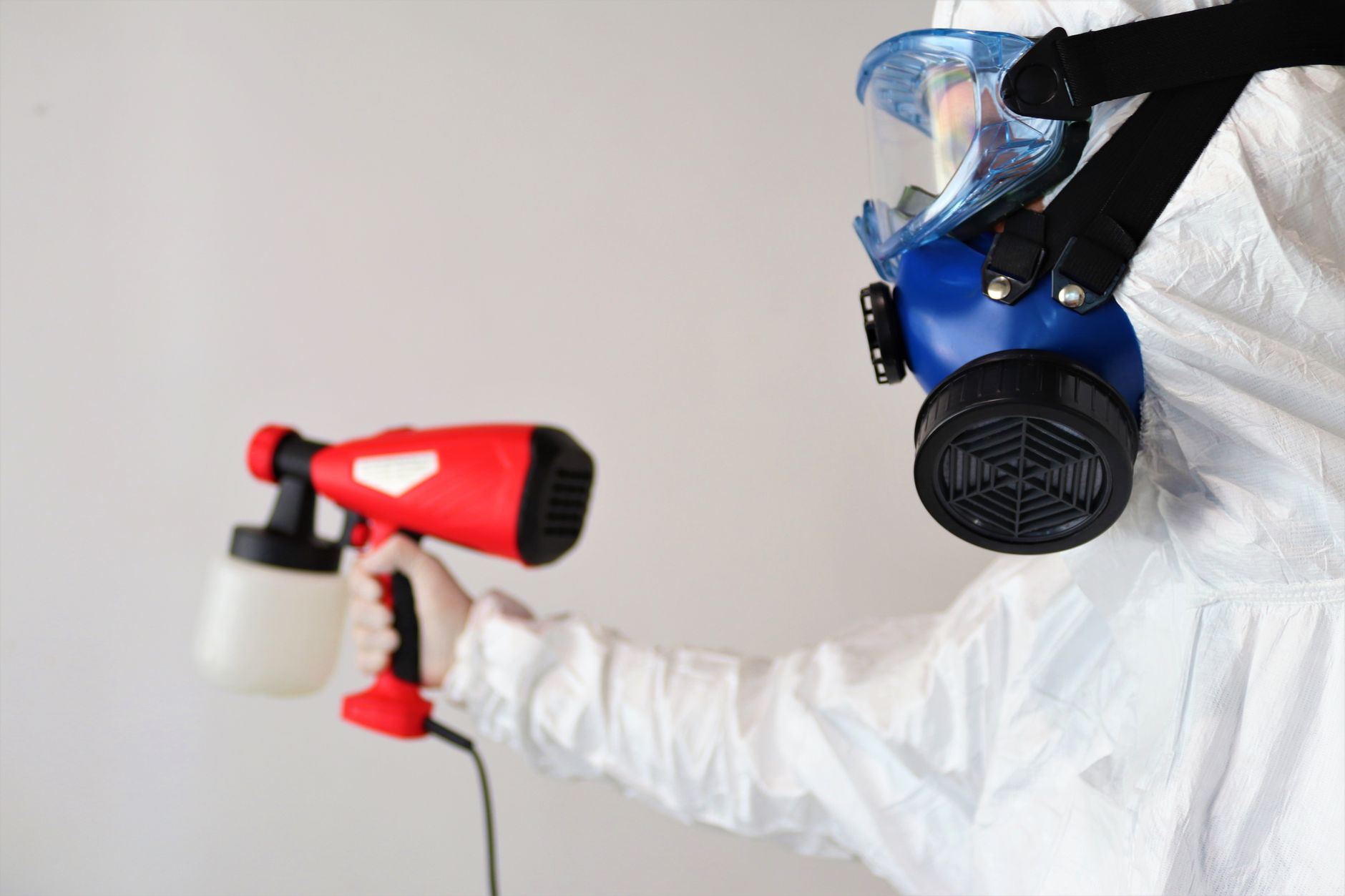
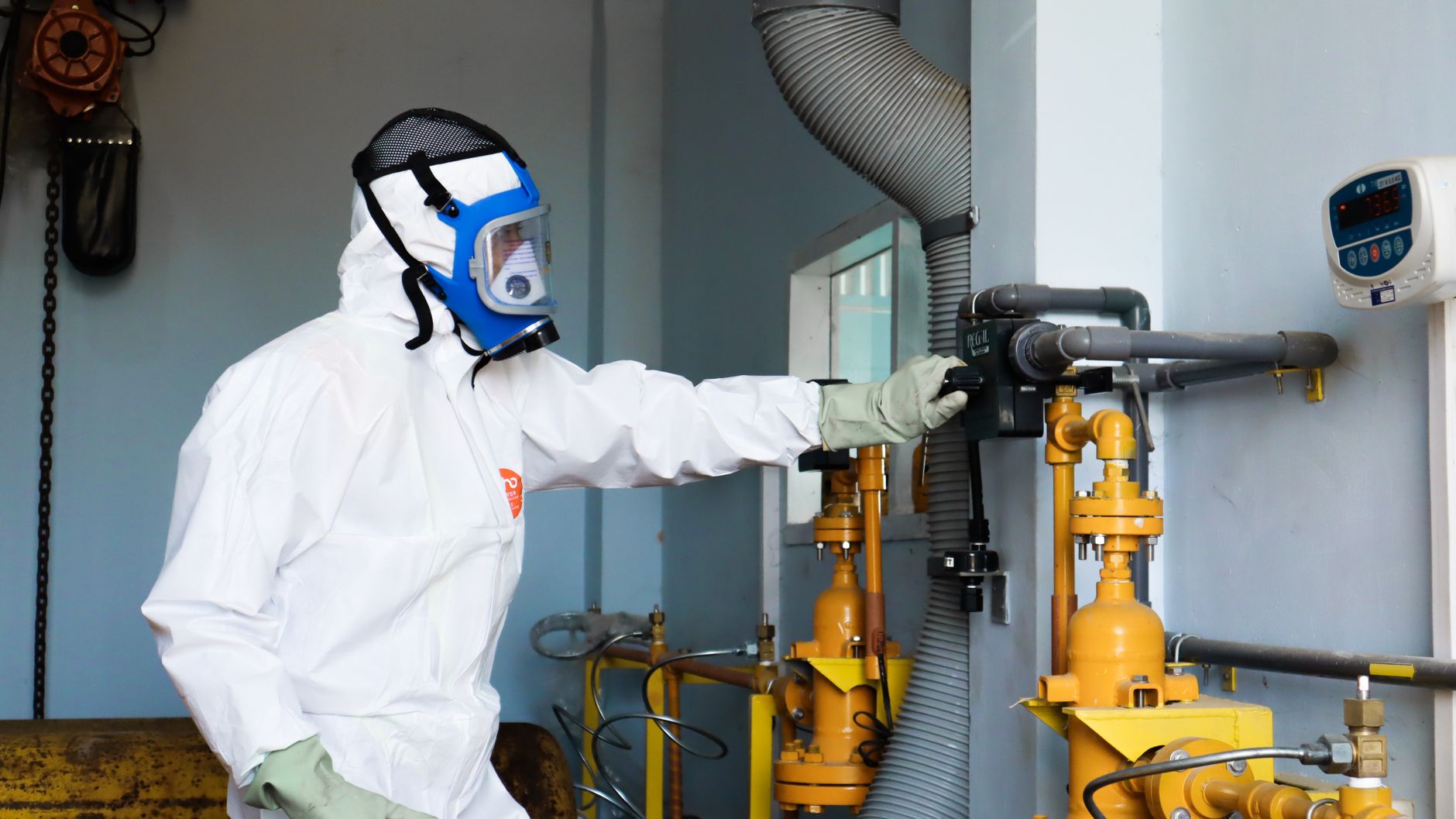
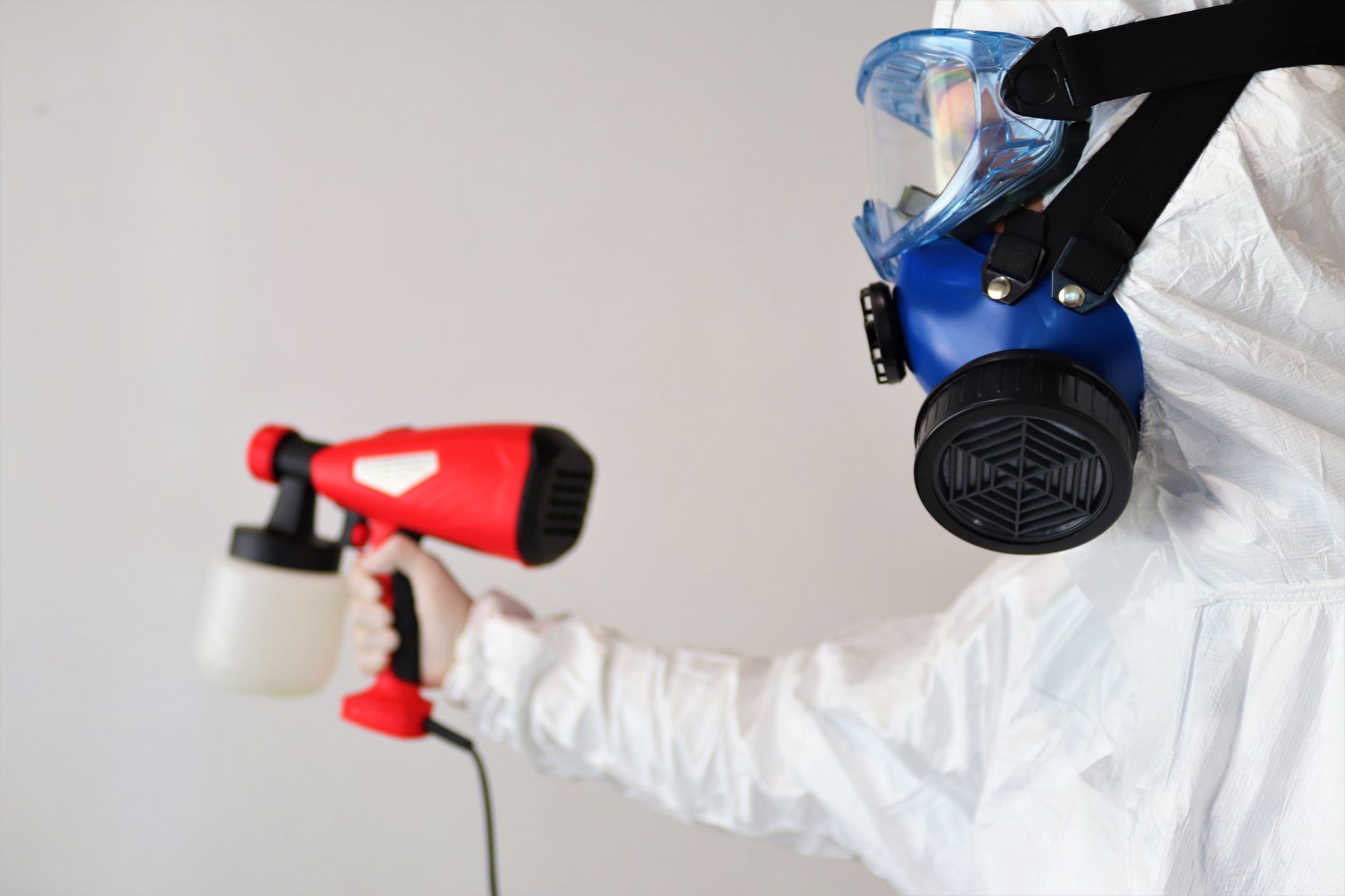
While some homeowners may choose to tackle mold removal as a DIY project, it’s often advisable to call in professionals. Mold remediation requires specialized equipment and expertise, especially for extensive infestations or hidden mold behind walls and ceilings. Black mold removal is particularly hazardous and should be handled with care.
It’s also vital to understand the role of insurance in mold remediation. Many policies include coverage for mold damage, but this can vary widely. After a tropical storm, it’s worth reviewing your insurance policy or contacting your agent to understand your coverage. Document the damage with photos and keep receipts of any remediation efforts.
If you find yourself overwhelmed by the challenges of mold remediation, remember you are not alone. Professional restoration services can provide the expertise needed to not only remove mold but also prevent future outbreaks. For example, services such as air duct mold removal can ensure that hidden mold in your HVAC system is dealt with effectively.
Another critical aspect of post-storm recovery is understanding the preventive measures you can take. After the initial cleanup, consider implementing the following strategies:
- Regularly inspect your home for leaks and water damage.
- Ensure proper ventilation in areas prone to moisture, such as bathrooms and kitchens.
- Maintain humidity levels below 50% with dehumidifiers.
Furthermore, it’s essential to stay informed about mold growth and prevention. For more tips, check out this article on preparing for mold growth after storm damage. This resource can offer you valuable insights into effective strategies and practices for maintaining a mold-free home.
In conclusion, navigating mold remediation after a tropical storm in Palm Beach requires swift action and informed decisions. By assessing the damage, understanding the role of professionals, and implementing preventive measures, you can protect your home and family from the threats posed by mold. Remember, the sooner you address the issue, the better chance you have of restoring your home to a safe and healthy environment.