The Essential Guide To Post-Flood Mold Mitigation In Palm Beach County
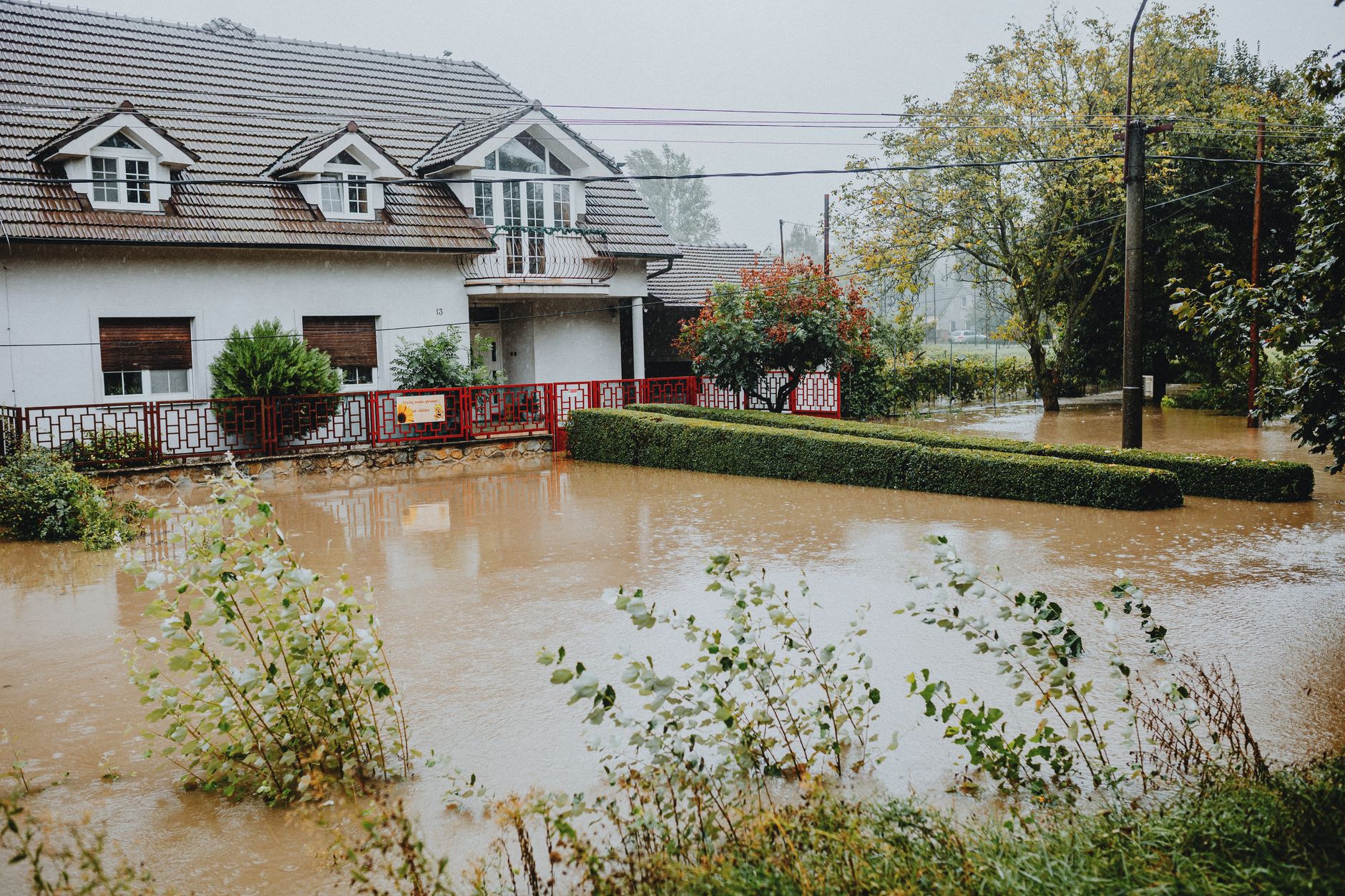
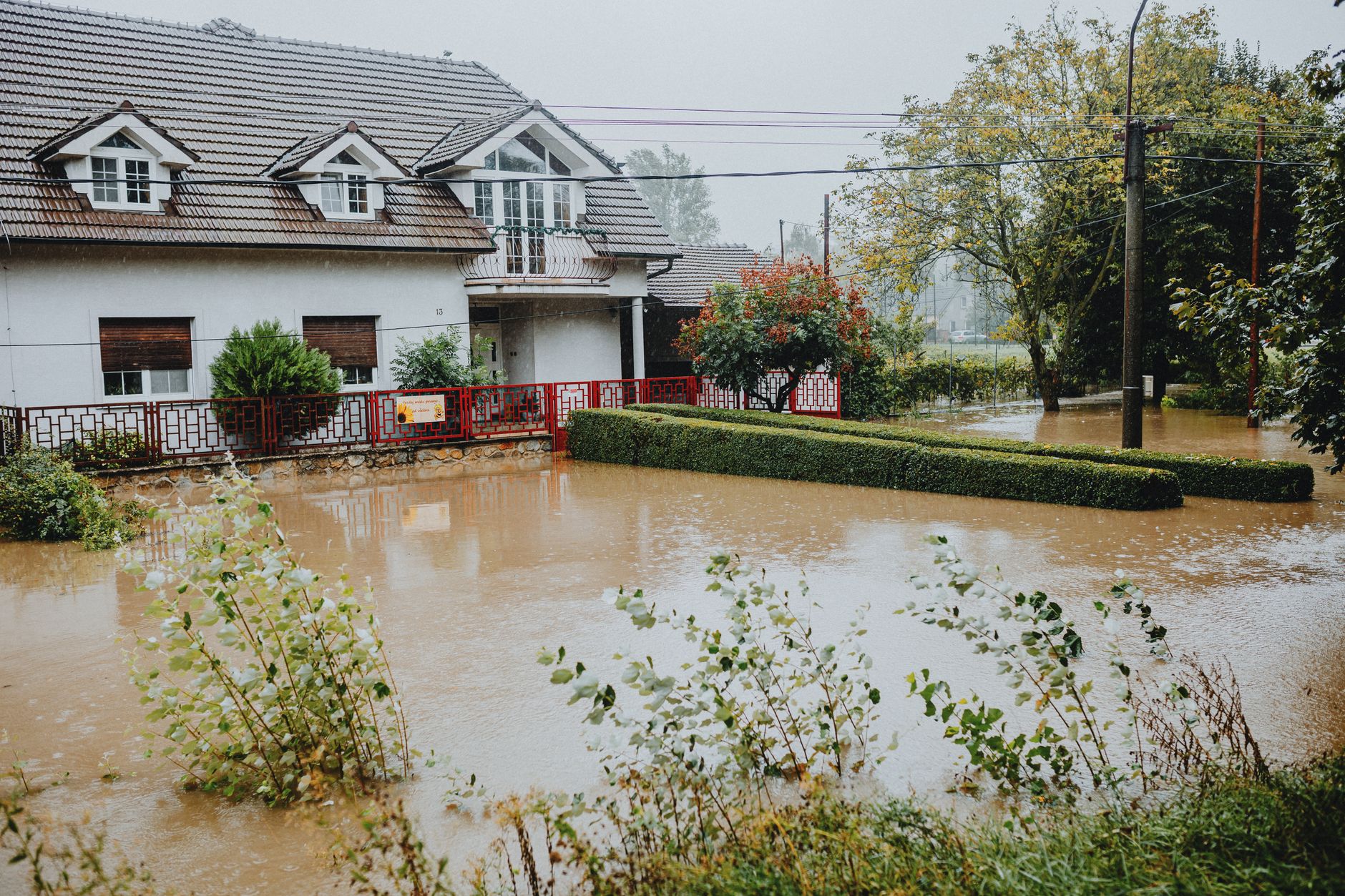
Experiencing a flood can be incredibly distressing, leaving your home vulnerable to water damage and, ultimately, mold growth. In Palm Beach County, the humidity and warm climate create ideal conditions for mold to flourish, making it essential to act quickly after a flood. This guide will help you understand the critical steps to take for effective mold mitigation, ensuring your home remains safe and healthy.
Understanding Mold Growth
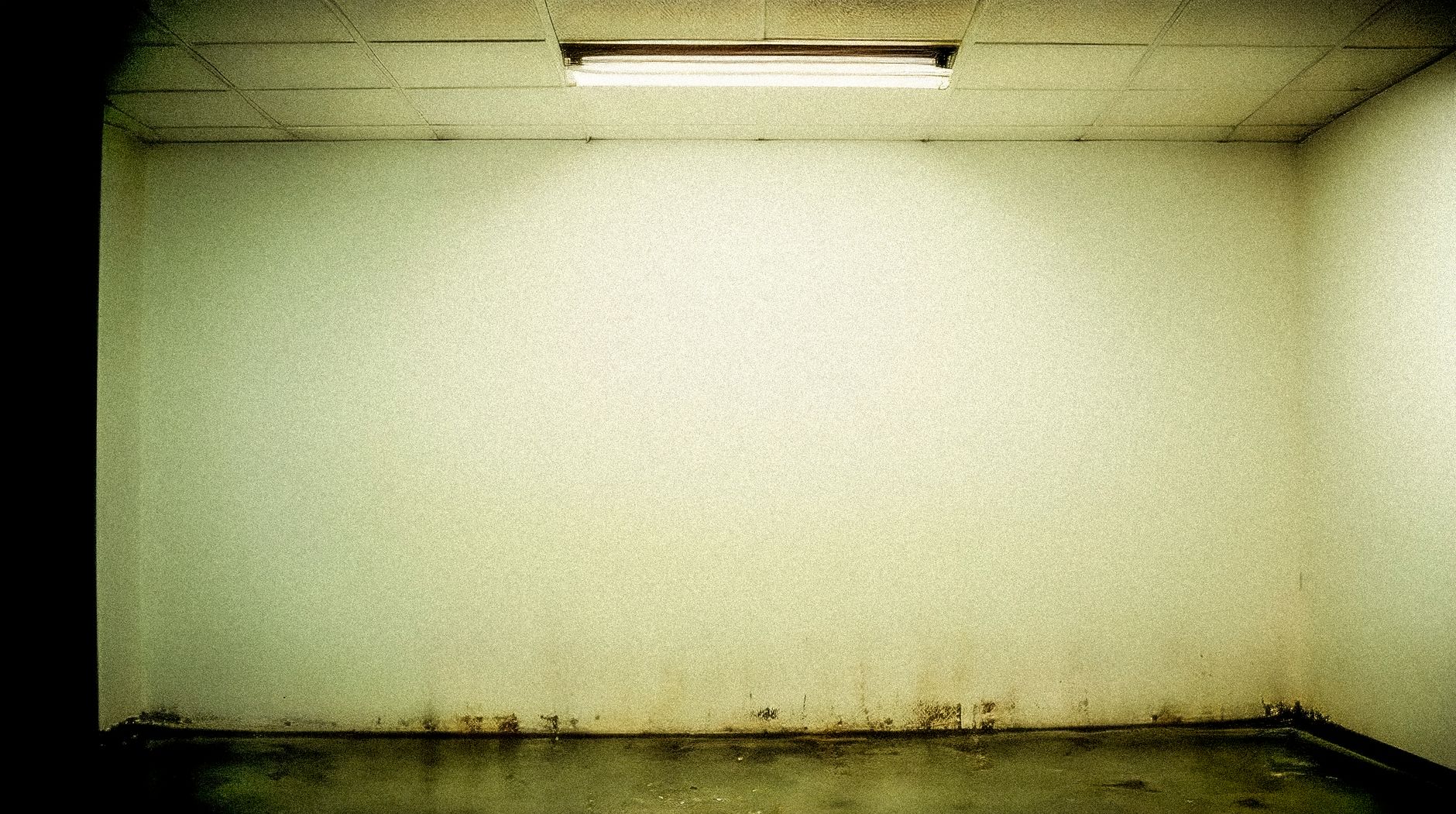
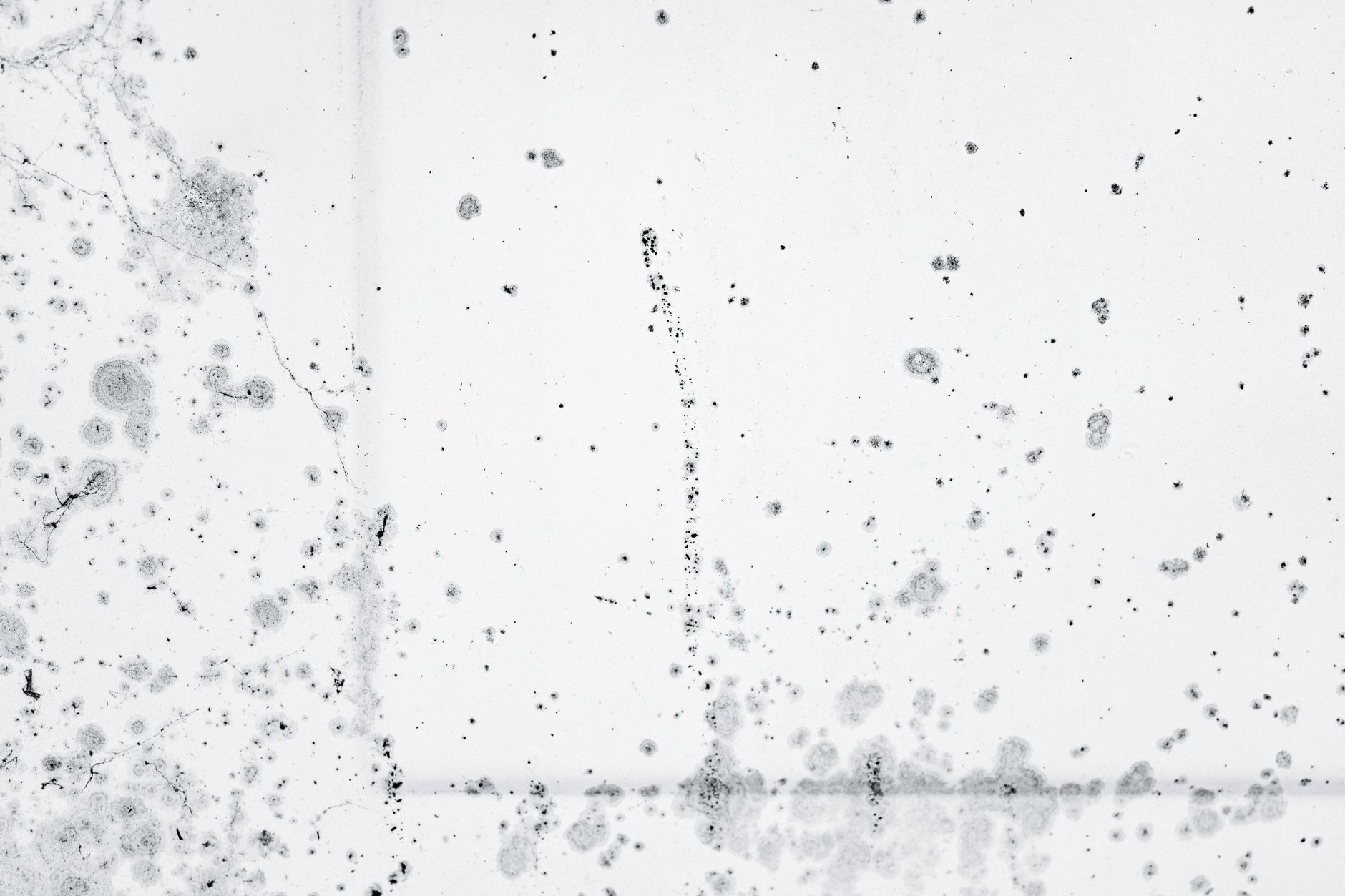
Mold spores are always present in the air, but they need moisture and organic material to thrive. After a flood, excess water in your home can quickly lead to mold growth, often within 24 to 48 hours. Common areas where mold can develop include:
- Basements and crawlspaces
- Bathrooms and kitchens
- Walls and ceilings
- Furniture and carpets
Identifying mold early is crucial. Signs of mold include a musty odor, visible staining, and health issues such as allergies or respiratory problems.
Immediate Actions Post-Flood
The first step after a flood is to ensure your safety. Turn off electrical power to affected areas and avoid wading through floodwater, as it may be contaminated. Once you’re safe, follow these steps:
- Remove standing water: Use pumps or wet vacuums to eliminate any remaining water.
- Dry the area: Open windows and doors, and use fans or dehumidifiers to reduce humidity levels.
- Remove damaged materials: Dispose of items that cannot be cleaned or restored, like carpets, drywall, and insulation.
Taking these actions quickly can significantly reduce the chances of mold establishing itself in your home.
Professional Mold Mitigation
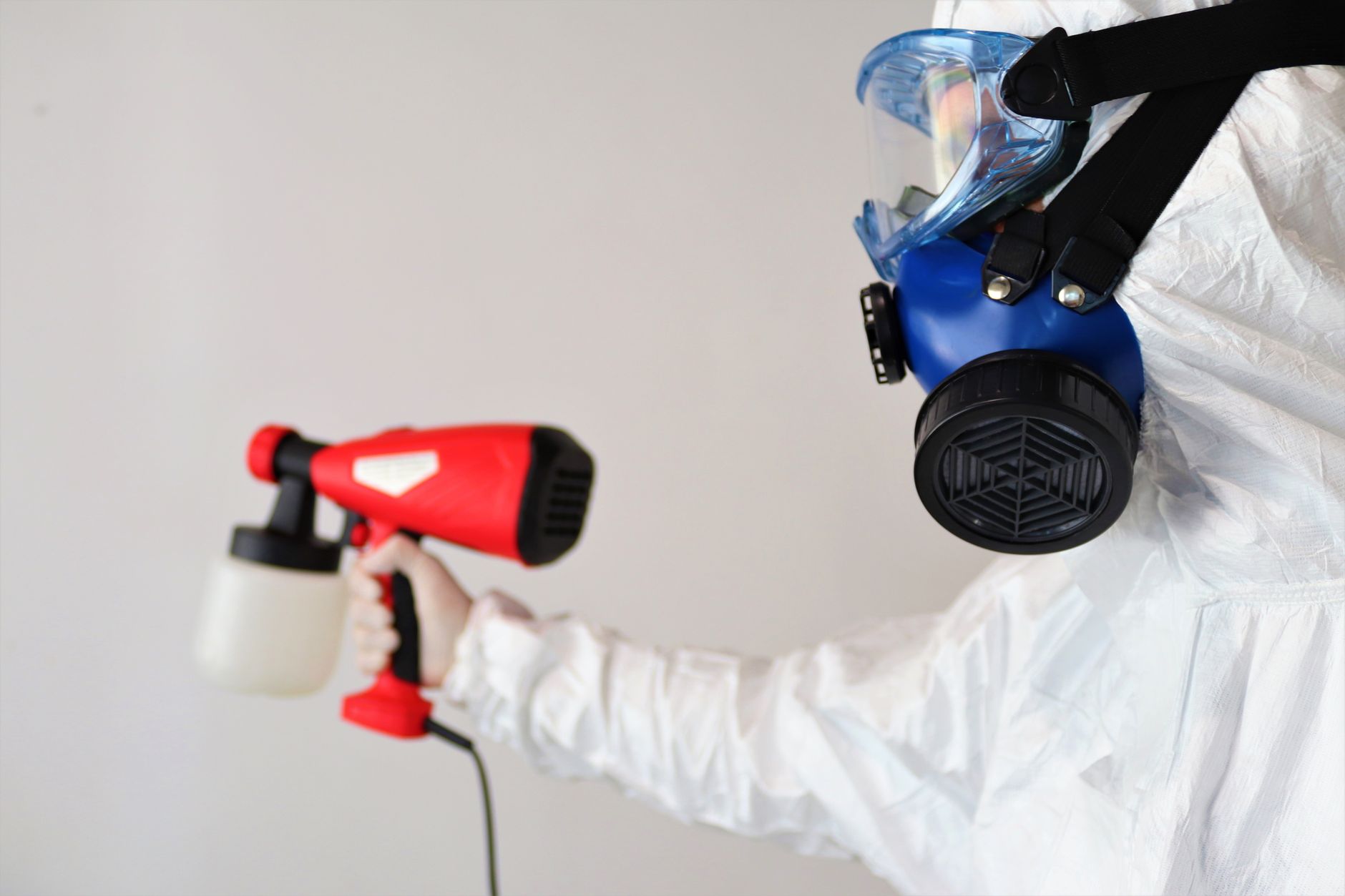
While you can take initial steps to mitigate mold, it’s often best to call in professionals who specialize in mold remediation. A qualified contractor will have the right tools and experience to handle the job safely and effectively. They will:
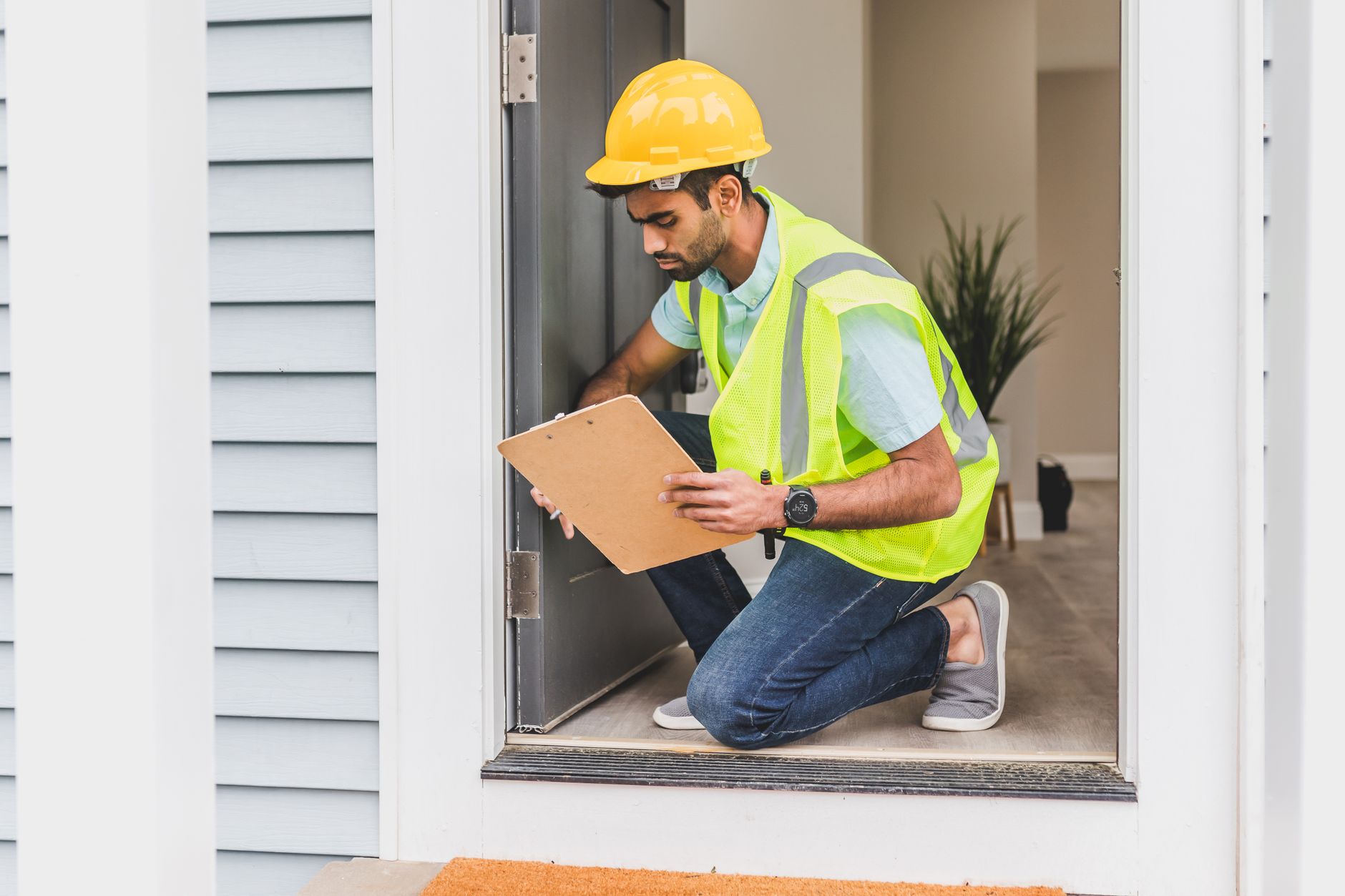
- Conduct a thorough assessment of your property to identify mold and moisture sources.
- Use specialized equipment to remove mold and prevent its return.
- Provide antimicrobial treatment to inhibit future mold growth.
In Palm Beach County, companies like Broward Restoration Pros can help you with air duct mold removal, ensuring that the air quality in your home is safe and clean.
Insurance and Claims
If you have homeowners insurance, check your policy to see if it covers flood damage and mold remediation. Document all damages with photos and keep receipts for any repairs or mitigation efforts. This documentation will be crucial when filing a claim.
Preventing Future Mold Growth
After mitigating mold from your home, it’s important to implement preventive measures to avoid future occurrences:
- Maintain proper ventilation in areas prone to moisture.
- Regularly inspect for leaks and repair them promptly.
- Keep humidity levels below 60% using dehumidifiers.
Additionally, you can learn more about flood damage recovery strategies by checking out relevant resources, which can further equip you with knowledge to protect your home.
Conclusion
Post-flood mold mitigation is essential for protecting your home and health. By acting quickly, removing moisture, and considering professional assistance, you can effectively manage the risks posed by mold. Stay informed and proactive, and your home will remain a safe haven for you and your family.