The Ultimate Homeowner's Guide To Post-Disaster Mold Assessment In Palm Beach County
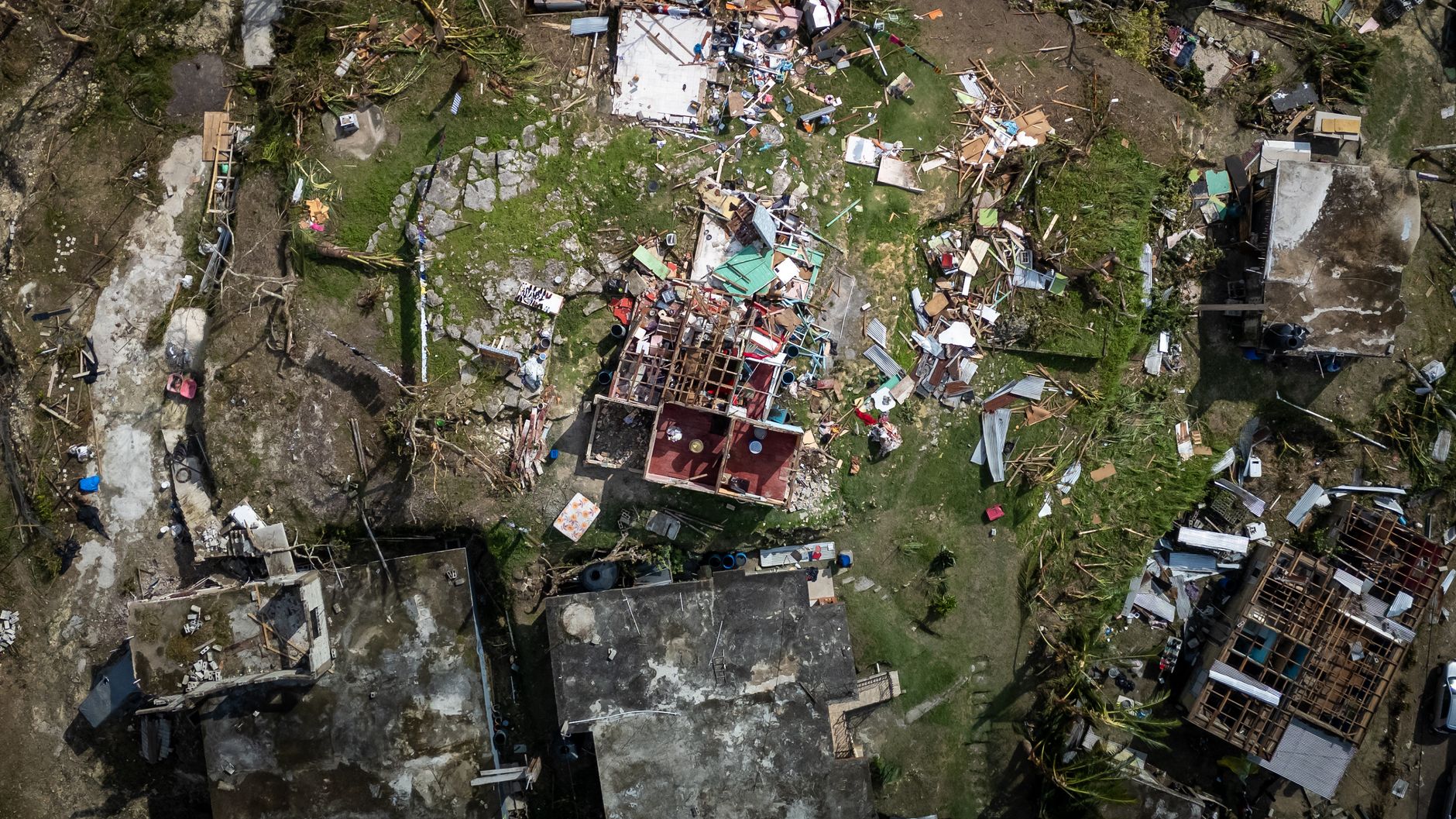
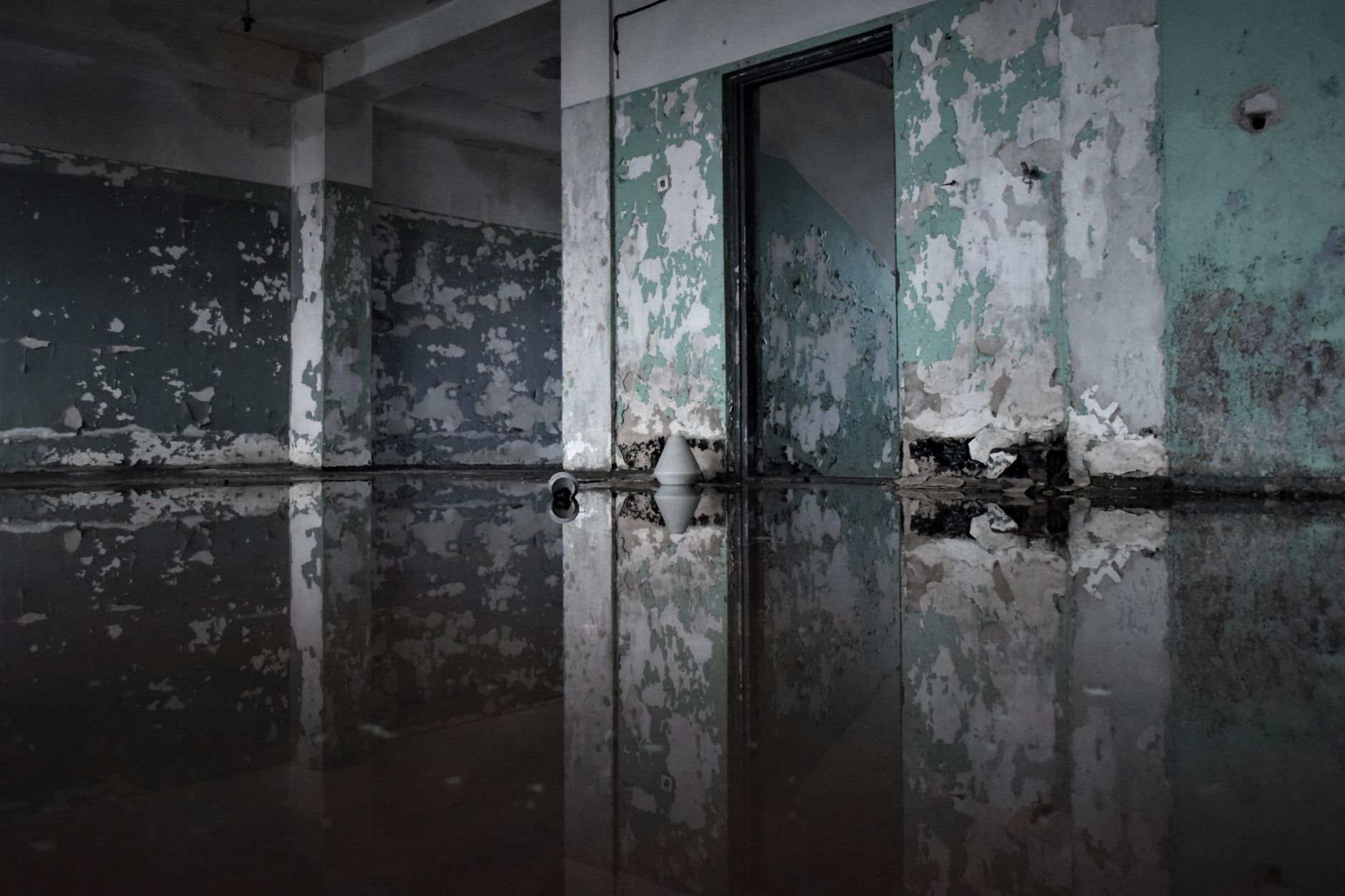
Experiencing a disaster at home, whether from flooding, a burst pipe, or a severe storm, can be overwhelming. Once the immediate damage is addressed, you might be left with a lingering concern: mold. In Palm Beach County, where humidity is often high, understanding how to assess and manage mold after such events is crucial for your family’s health and your home’s integrity.
Understanding Mold Growth
Mold is a type of fungus that thrives in damp environments. If your home has experienced water damage, spores can begin to grow within 24 to 48 hours. Recognizing the signs of mold early can prevent extensive damage and costly repairs later on.
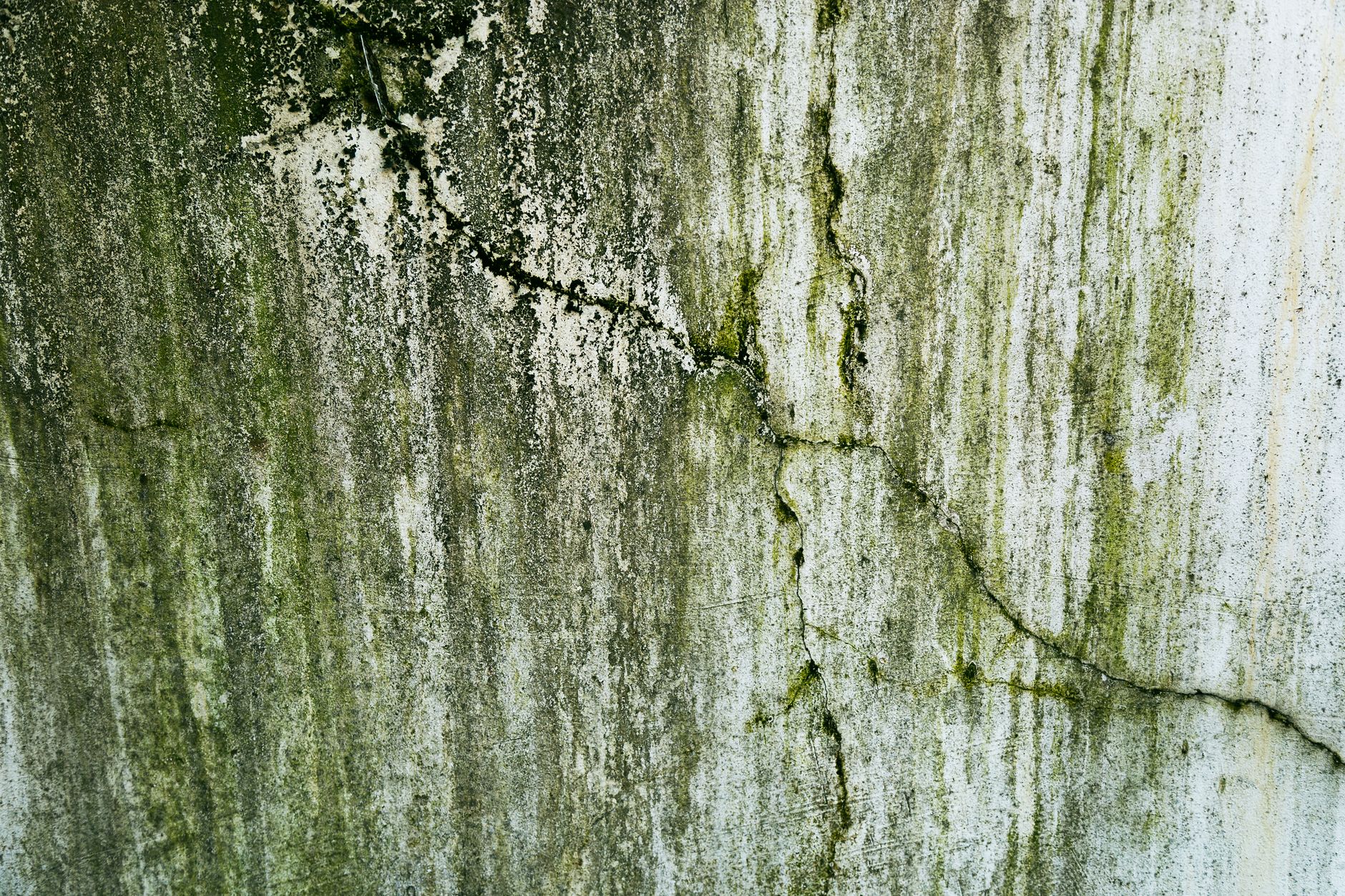
Common Signs of Mold
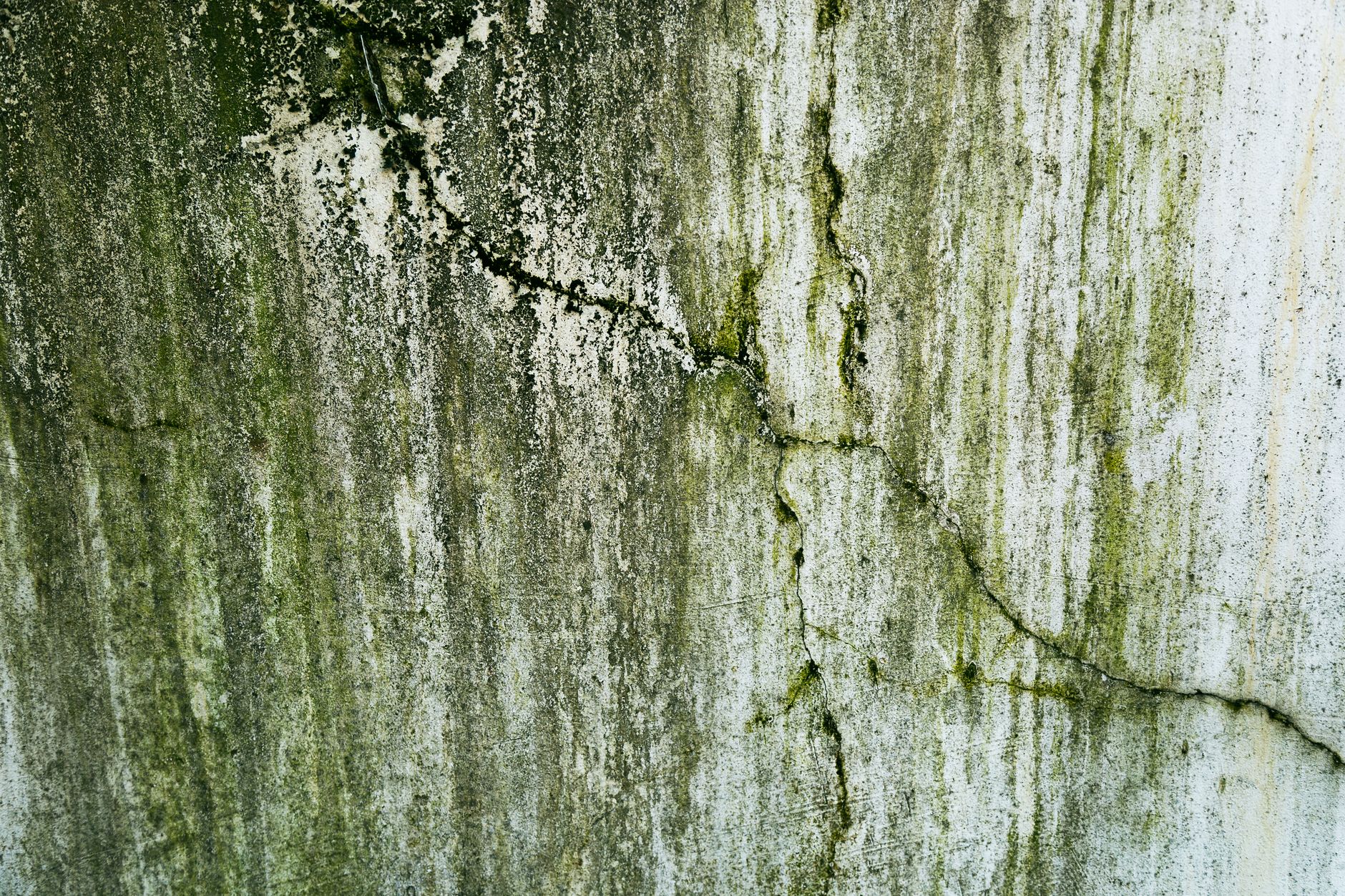
- Visible mold growth on walls, ceilings, or floors
- Musty odors, even when no visible mold is present
- Water stains or discoloration on surfaces
- Increased allergy symptoms among household members
If you notice any of these signs, it’s crucial to act quickly. Mold can pose health risks, particularly to those with respiratory issues or weakened immune systems.
Assessing Mold After Water Damage
Once the initial cleanup is complete, begin a thorough assessment of your home. Here are steps to guide you through the process:
- Inspect all areas that were affected by water. Pay close attention to hidden spots such as behind furniture and under carpets.
- Check for any persistent moisture. Use moisture meters if available to ensure that areas are completely dry.
- Document your findings with photos and notes. This can be helpful for insurance claims and when consulting professionals.
Even if you don’t see visible mold, the presence of moisture can lead to future growth. Therefore, it’s wise to consult with a restoration professional who can provide a comprehensive mold assessment.
When to Call a Professional
Determining whether to handle mold removal yourself or hire a professional can be challenging. Here are some guidelines:
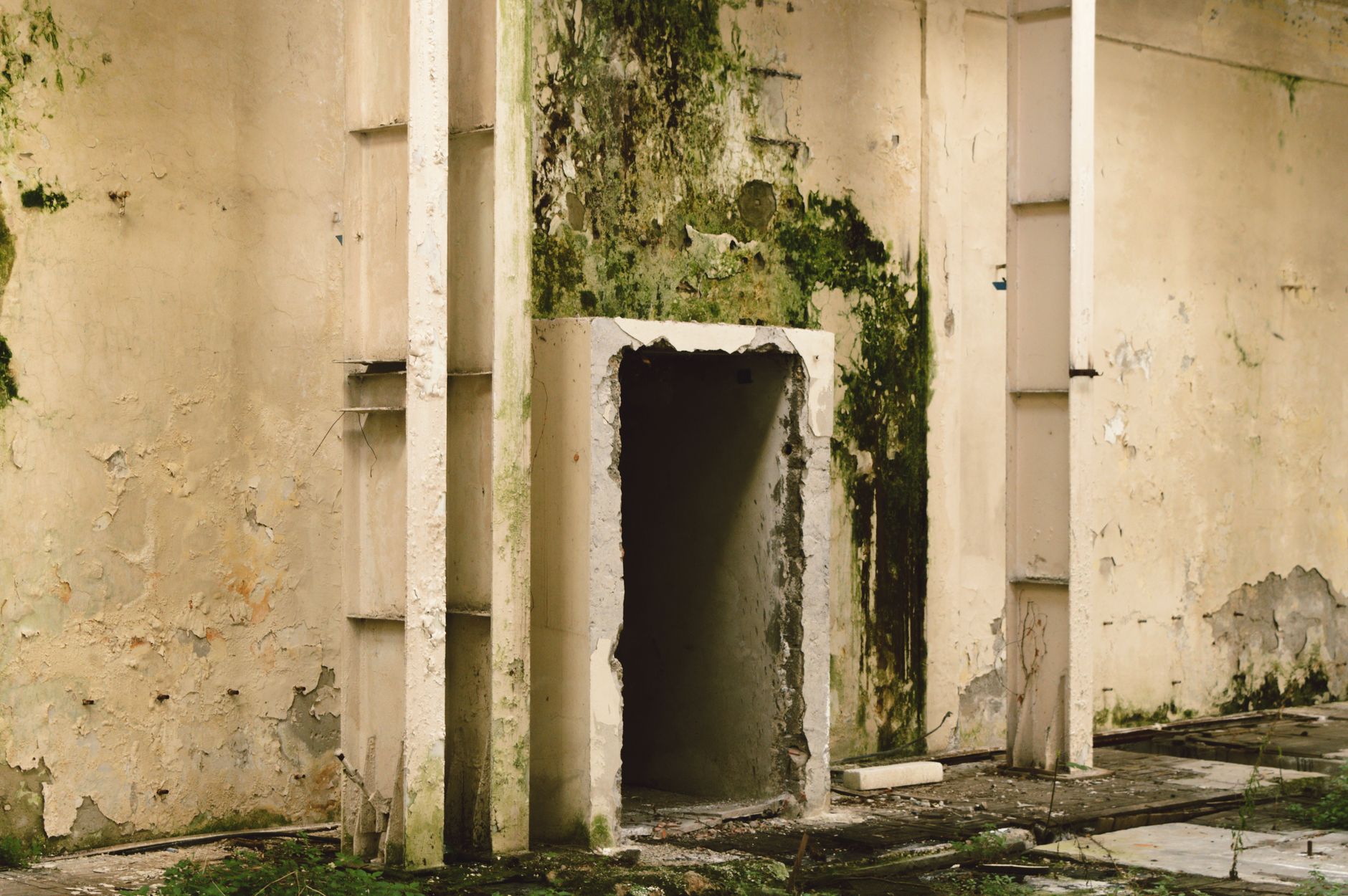
If the affected area is larger than 10 square feet, or if the mold has penetrated porous materials like drywall, it’s best to contact a specialist. They have the training and equipment necessary to safely handle mold removal and prevent cross-contamination.
For expert help, Broward Restoration Pros offer professional mold assessments and remediation services that ensure your home is safe and healthy.
Insurance and Claims Considerations
After a disaster, it’s essential to understand your insurance policy regarding mold damage. Some policies may cover mold remediation if it was caused by a covered peril, like a burst pipe or flooding. Document all damage and communicate with your insurance adjuster to clarify what is covered.
Preventing Future Mold Growth
Once you have addressed the immediate mold issue, prevention is key. Here are some proactive steps:
- Maintain low indoor humidity levels (ideally between 30-50%) using dehumidifiers.
- Ensure proper ventilation in bathrooms, kitchens, and laundry rooms.
- Regularly inspect your home for leaks or water damage.
By taking these measures, you can significantly reduce the chances of future mold problems in your home.
Conclusion
Mold assessment and management are critical after any water damage incident in Palm Beach County. By understanding the risks, recognizing the signs, and knowing when to seek professional help, you can protect your home and your family’s health. For further information on mold mitigation, check out this comprehensive guide from Broward Restoration Pros.
For local assistance with mold removal, consider reaching out to our bathroom mold removal services or explore black mold removal solutions. Protect your home and loved ones by acting swiftly and efficiently.