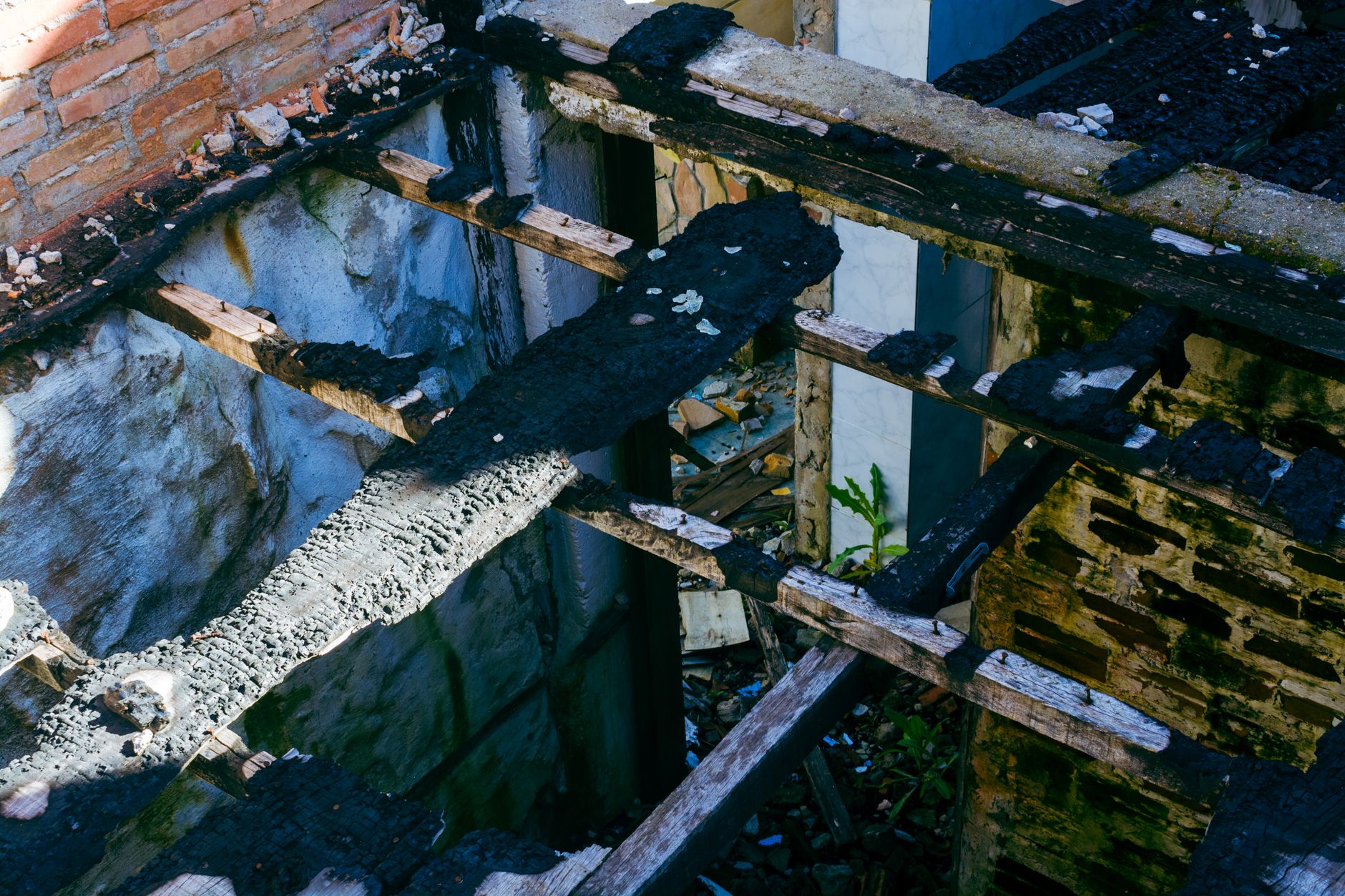
How To Assess The Effectiveness Of Water Damage Mitigation Strategies In Palm Beach
Experiencing water damage can be one of the most distressing challenges a homeowner faces. Whether it’s due to a burst pipe, heavy rainfall, or an appliance leak, the aftermath can leave you feeling overwhelmed. In Palm Beach, where humidity and storms are common, understanding how to assess the effectiveness of your water damage mitigation strategies is crucial for protecting your home and peace of mind.
After a water damage incident, your first instinct might be to call a restoration professional. While this is often the right choice, it’s essential to be informed about what to expect from mitigation services and how to evaluate their effectiveness. Let’s explore practical steps you can take to assess these strategies and ensure that your home is safe and secure.
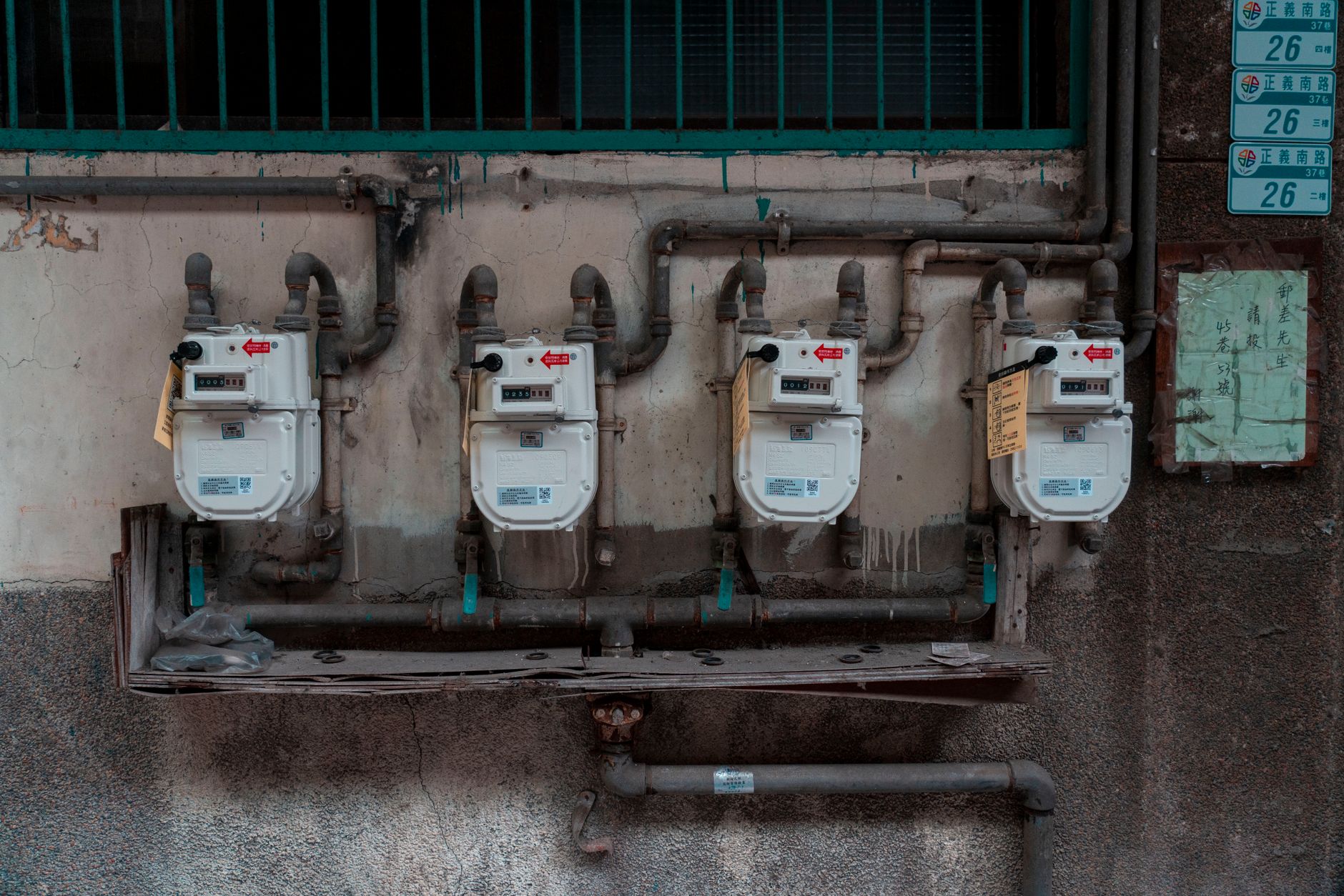
Understanding Water Damage Mitigation
Water damage mitigation involves a series of actions designed to reduce the impact of water intrusion on your property. This includes removing standing water, drying out the affected areas, and preventing mold growth. Here are key strategies that should be employed:
- Water Extraction: Quickly removing standing water is vital to prevent further damage.
- Drying and Dehumidification: Using specialized equipment such as industrial fans and dehumidifiers to dry out affected areas.
- Mold Prevention: Applying antimicrobial treatments to prevent mold growth.
Key Indicators of Effective Mitigation
Once mitigation efforts have taken place, there are several indicators you can assess to determine their effectiveness:
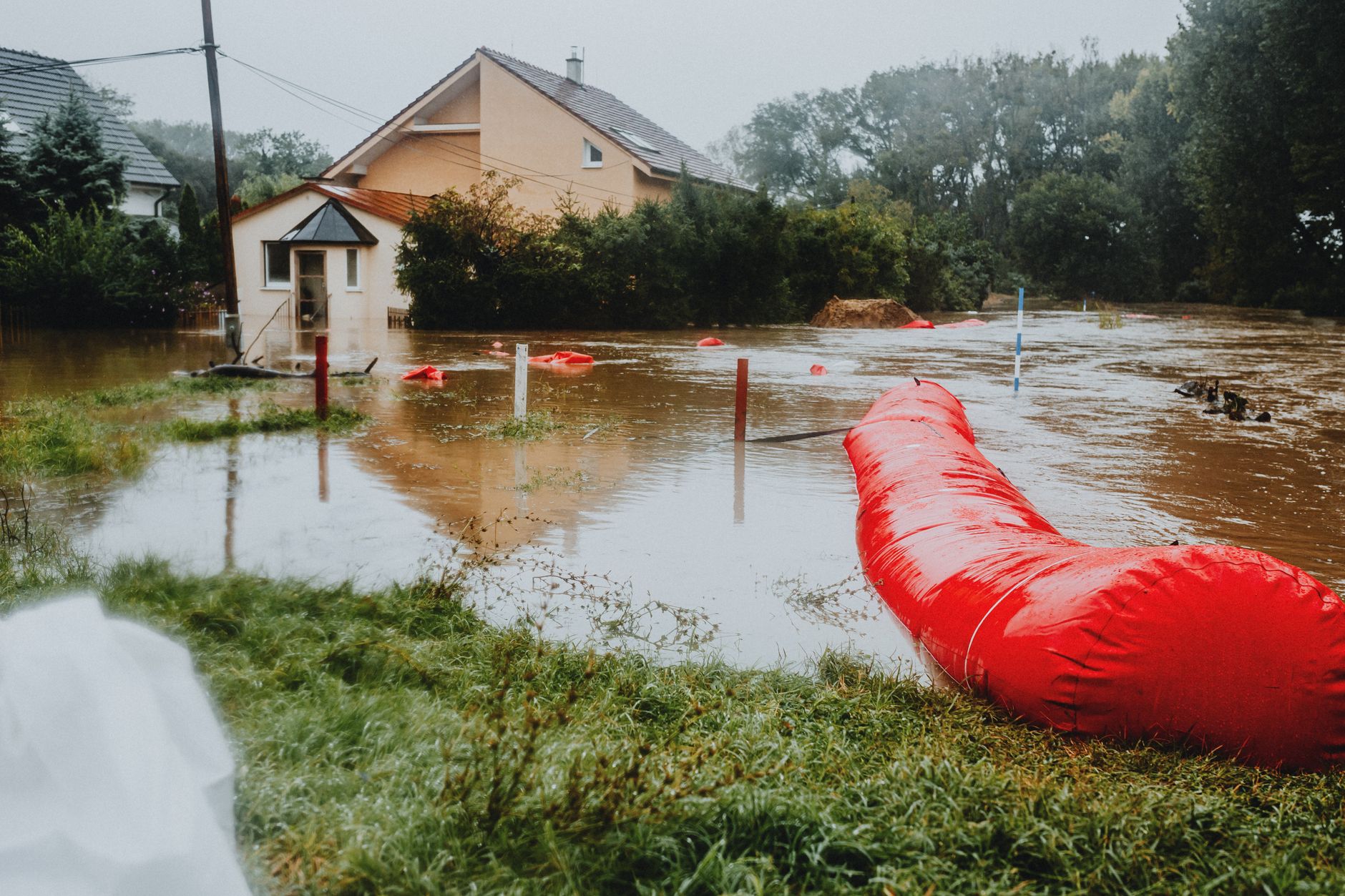
1. Moisture Readings
Using a moisture meter is a reliable way to assess whether the affected areas have returned to safe moisture levels. Ideally, the readings should be at or below 15% moisture content for most building materials.
2. Visual Inspection
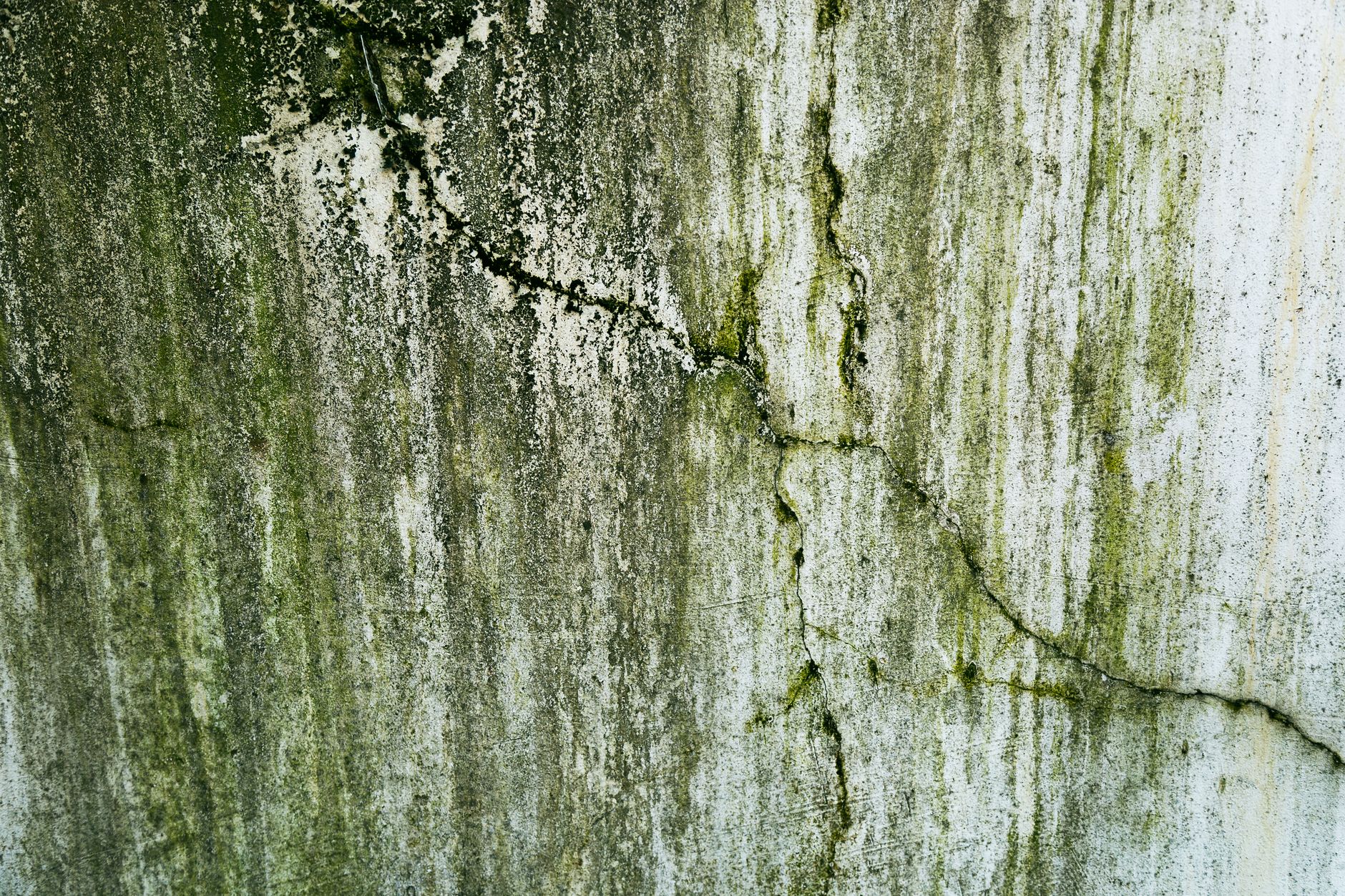
Conduct a thorough visual inspection of the area. Look for signs of water stains, discoloration, or mold growth. If you notice any of these, it may indicate that the mitigation was not entirely successful.
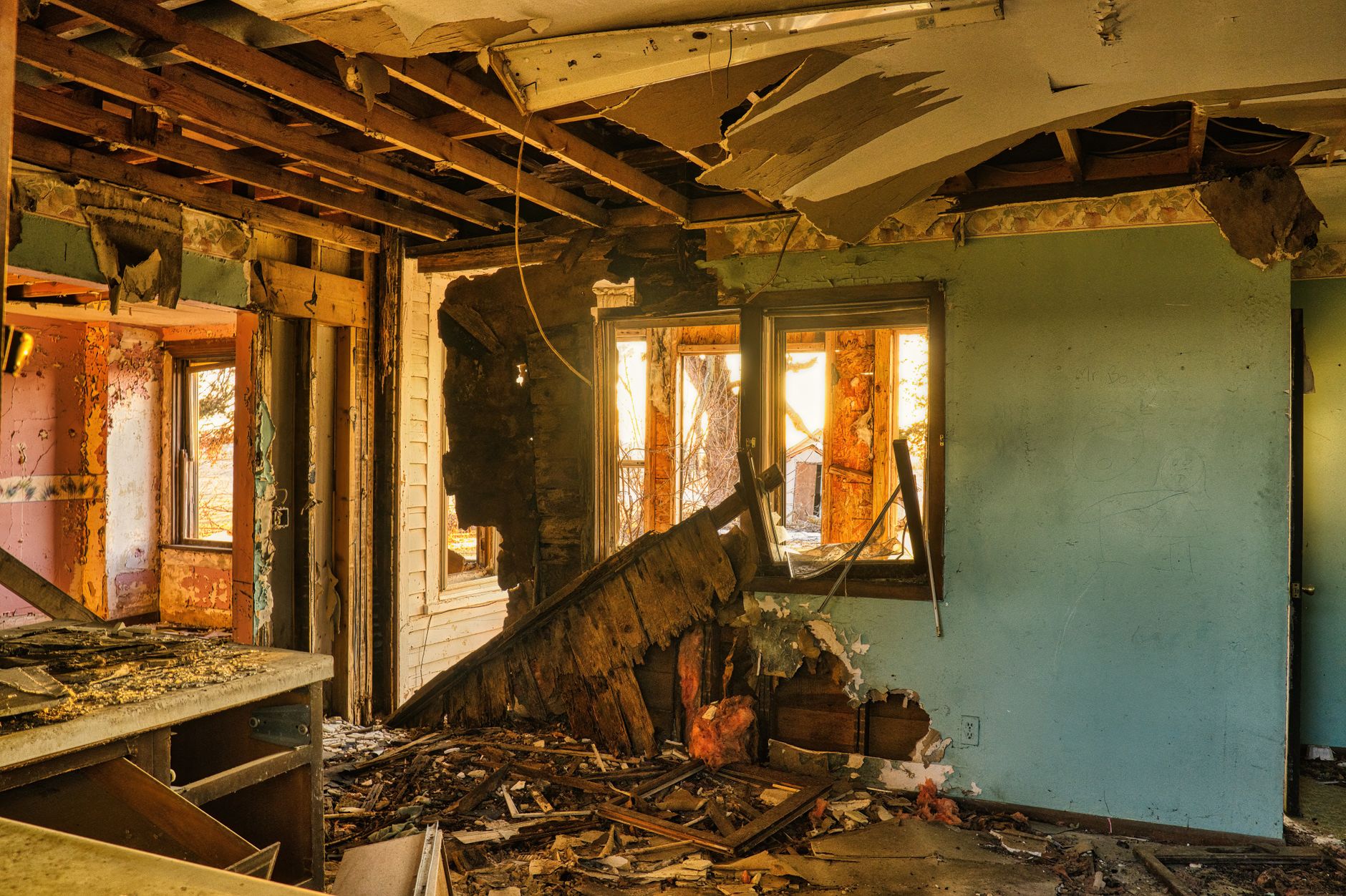
3. Odor Detection
Pay attention to any musty odors that may linger after mitigation. A persistent odor could signal hidden moisture or mold growth that needs to be addressed.
4. Documentation
Good restoration companies will document the mitigation process, including photos and moisture readings. This documentation can be invaluable for your records and potential insurance claims.
When to Call for Professional Help
If you notice any of the above indicators suggesting that mitigation wasn’t fully effective, it may be time to call in a professional. Experts in water damage restoration can provide advanced techniques and equipment for thorough remediation. For residents in Palm Beach, companies like Broward Restoration Pros offer 24-hour service and can efficiently assess and manage your water damage issues.
Insurance Considerations
Understanding your insurance coverage is also essential during this process. Most homeowners' insurance policies cover water damage from sudden incidents, but it’s wise to verify your coverage details. Keep all documentation related to the damage and the mitigation process to help facilitate any claims you may need to file.
Furthermore, you might find it helpful to read articles like How To Assess Your Home For Water Damage Before The Storm Hits to prepare for future incidents.
Final Thoughts
In conclusion, assessing the effectiveness of water damage mitigation strategies requires a proactive approach and careful evaluation of various indicators. By taking these steps, you can ensure that your home remains safe and free from the long-term effects of water damage. Should you feel uncertain about the mitigation processes, don’t hesitate to reach out to professionals. Your home in Palm Beach deserves the best protection possible against water damage.
For immediate assistance, consider our 24 Hour Water Damage Restoration services, where we prioritize your safety and satisfaction during these challenging times.