The Comprehensive Guide To Assessing Storm Damage In Palm Beach County Homes
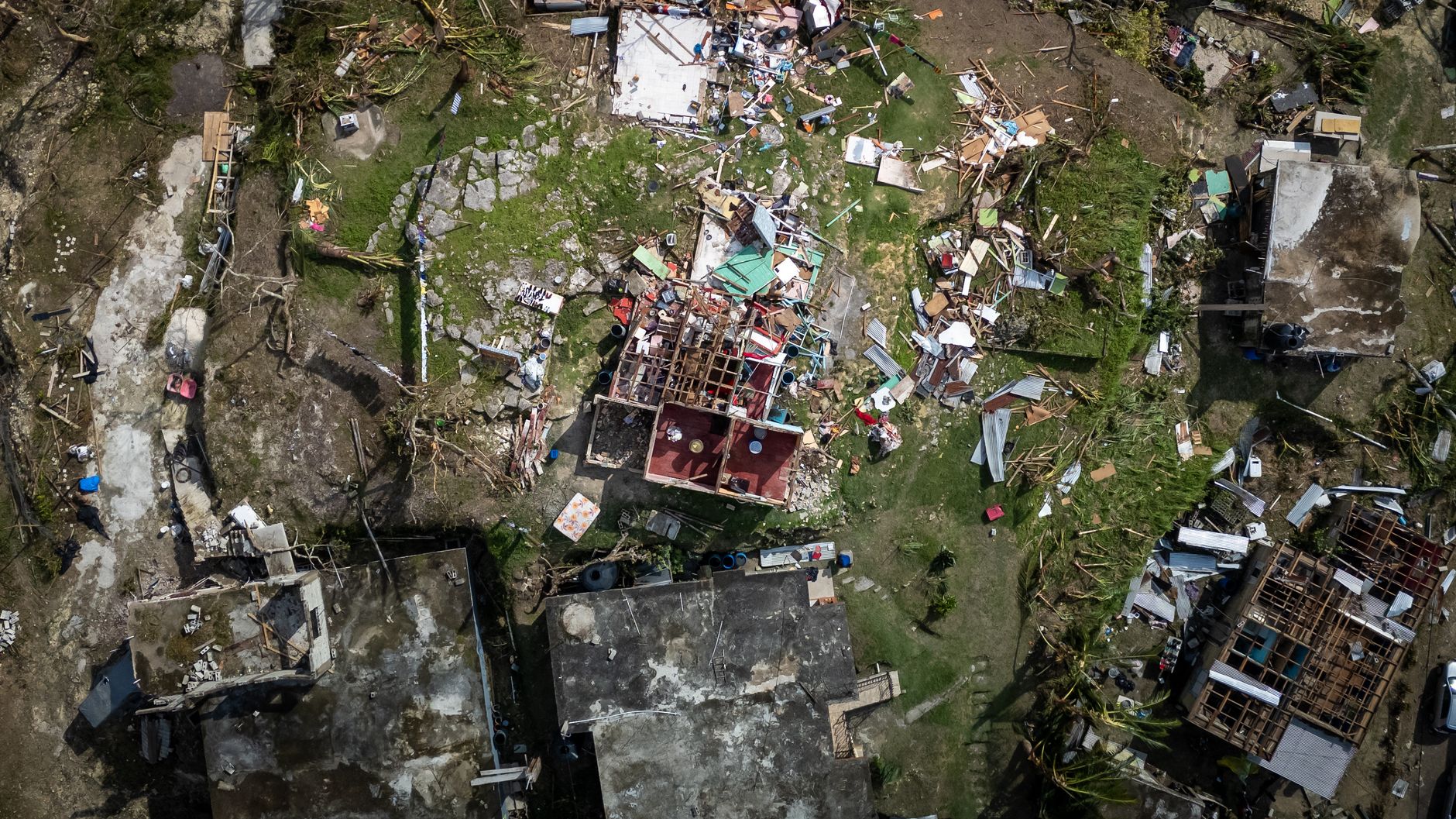
Living in Palm Beach County comes with its fair share of tropical storms and heavy rains. While the beautiful weather is a draw for many, the aftermath of a storm can leave homeowners feeling overwhelmed. Assessing storm damage quickly and accurately is crucial for ensuring your home remains safe and secure. In this guide, we will explore the steps you can take to assess storm damage and what you should do next.
Understanding the Types of Storm Damage
Storm damage can vary widely, impacting various parts of your home in different ways. Here are some common types of damage to look out for:

- Roof Damage: Missing shingles, leaks, or structural issues can compromise your roof's integrity.
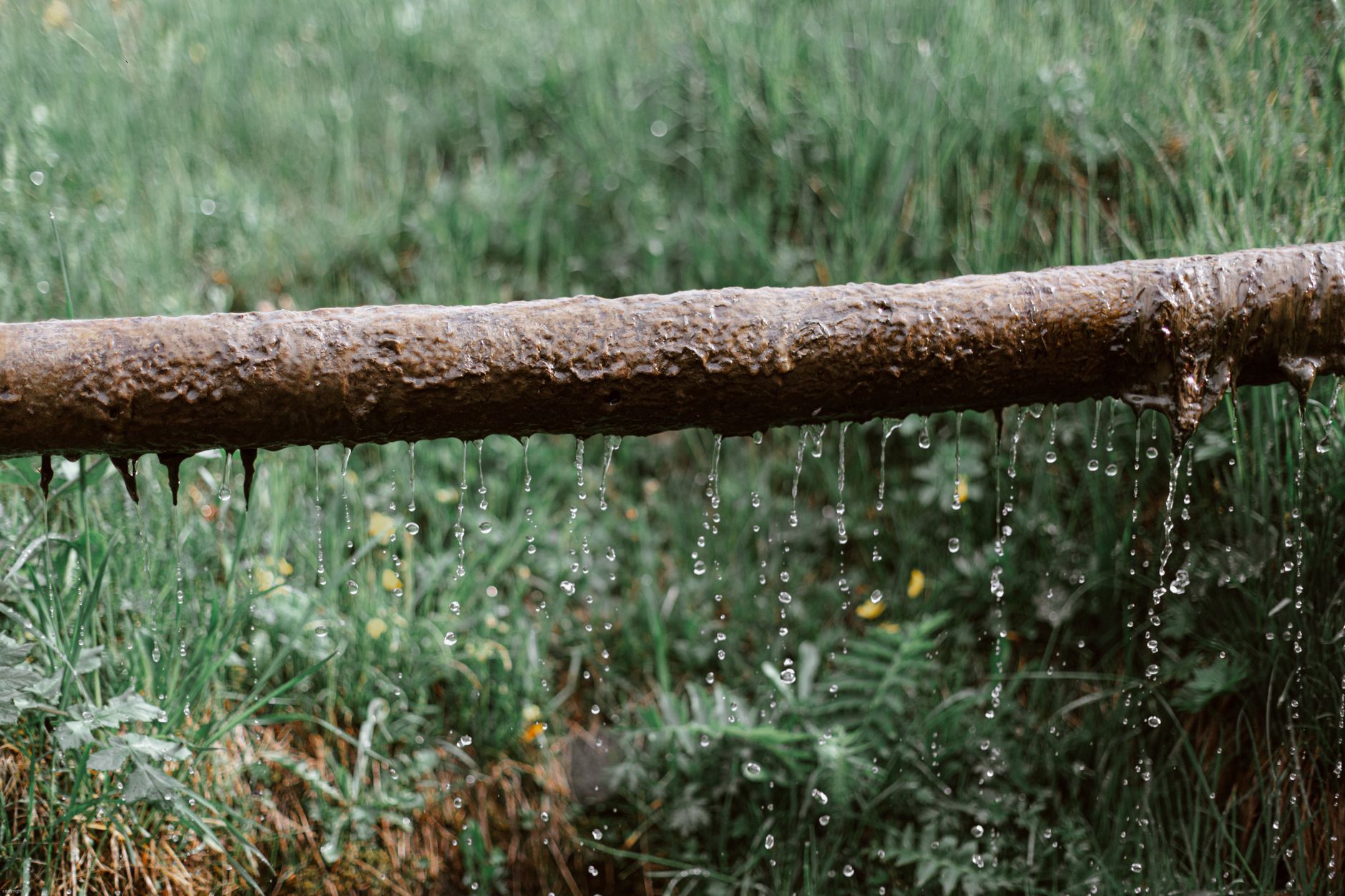
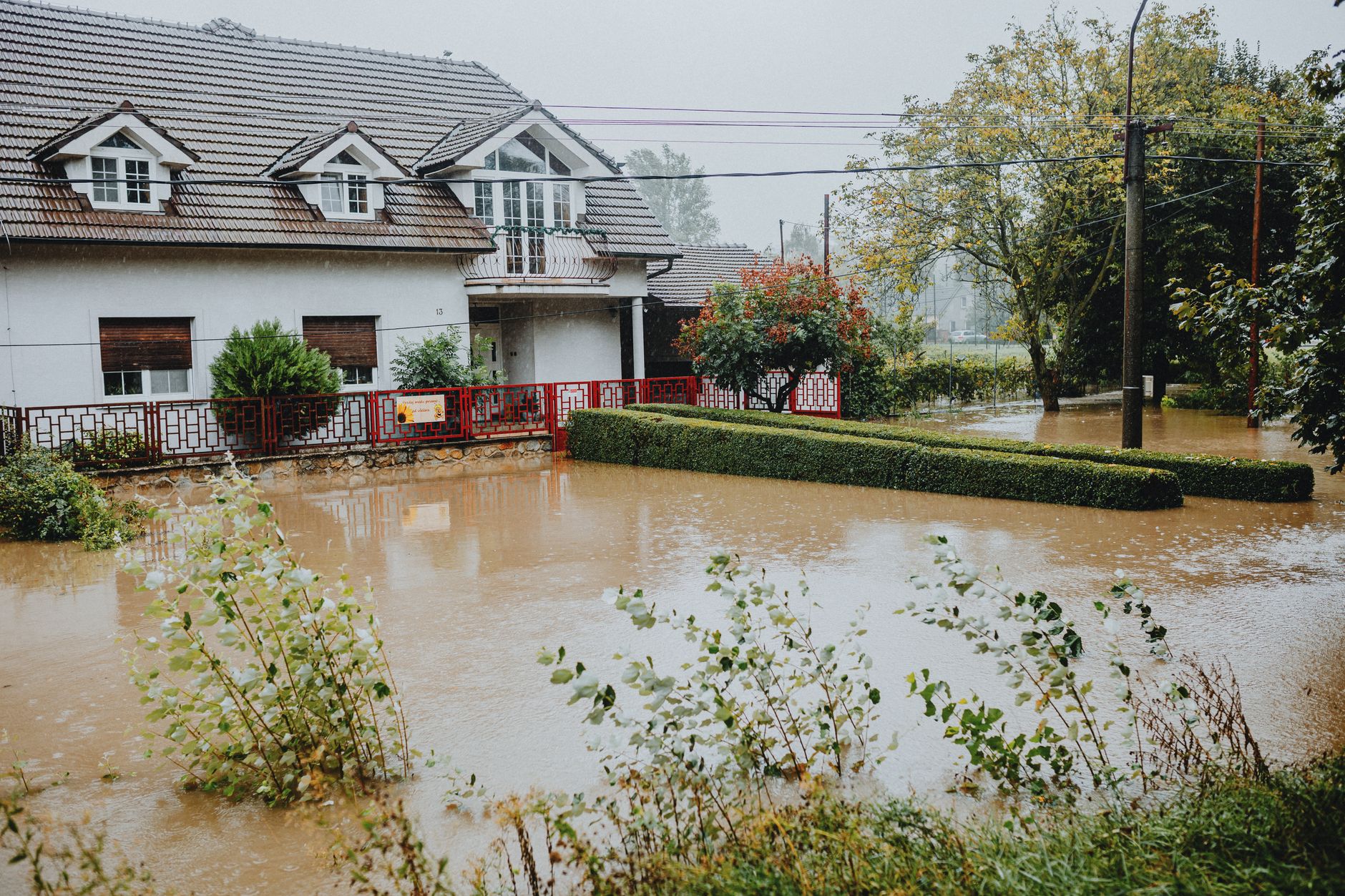
- Water Intrusion: Flooding or heavy rain can lead to water entering your home, causing potential mold growth.
- Exterior Damage: Check for broken windows, damaged siding, or fallen branches.
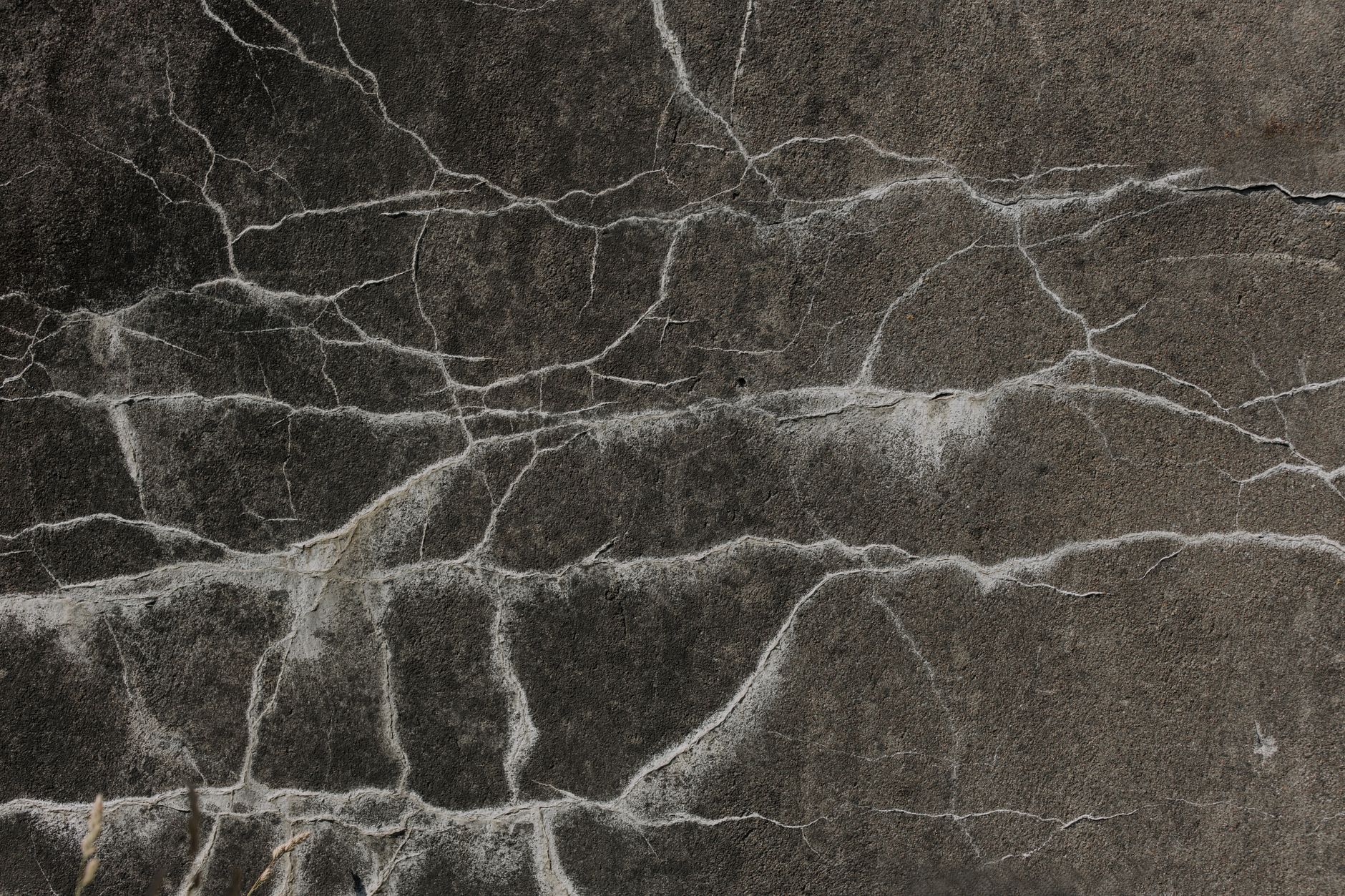
- Foundation Issues: Look for cracks in the foundation or signs of shifting soil around your home.
Step-by-Step Guide to Assessing Storm Damage
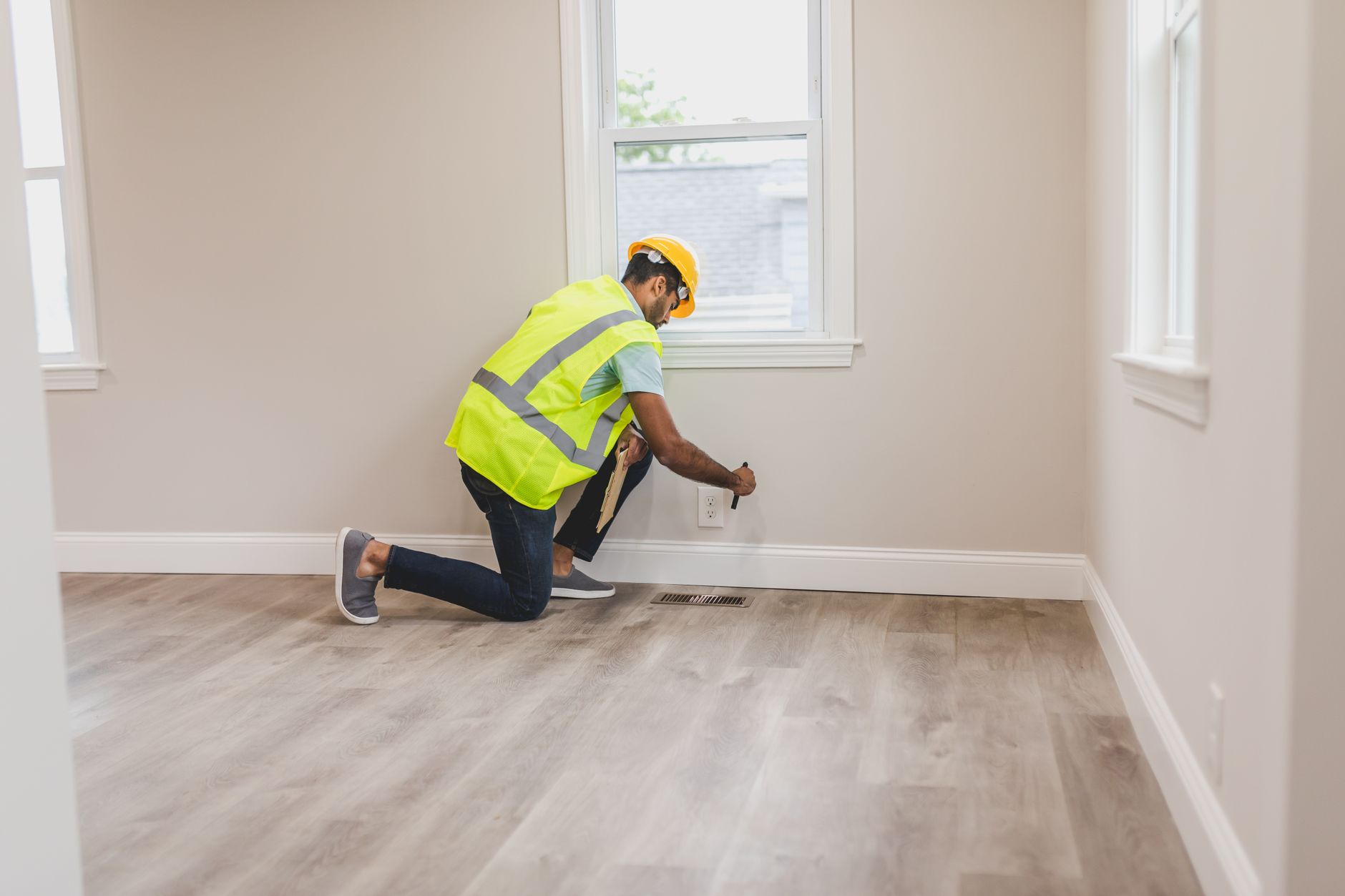
After a storm, it's essential to approach the assessment methodically:
1. Ensure Safety First
Before you step outside, make sure it’s safe. Look for downed power lines and avoid areas where flooding may have occurred. If you are in doubt, contact local authorities for guidance.
2. Document Everything
Take photos and videos of all visible damage. This documentation will be critical for insurance claims. Make notes of any damage and the date it occurred.
3. Inspect the Roof
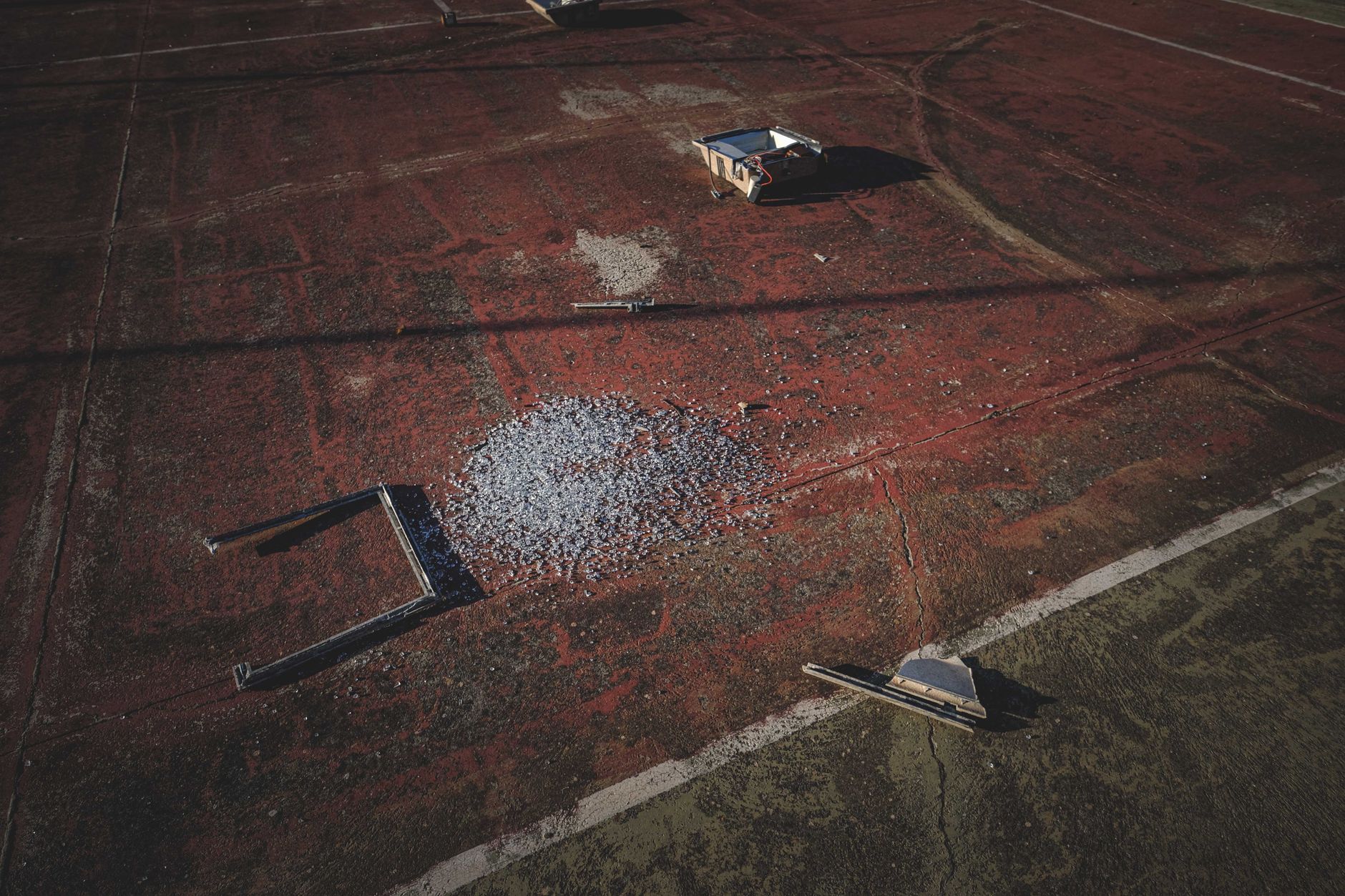
Use binoculars to assess your roof from the ground. Look for missing shingles, sagging areas, or debris. If you suspect damage, it’s best to call a professional to conduct a thorough inspection.
4. Check for Water Damage
Inspect your interior for signs of water intrusion. Look for wet spots on ceilings, walls, or floors. Pay special attention to areas like the basement or crawl space where flooding is more likely to occur.
5. Evaluate the Exterior
Examine windows, doors, and siding for any cracks or damage. Fallen branches can also cause significant harm, so check your yard for any debris that may need to be cleared.
6. Look at the Foundation
Inspect your foundation for cracks or shifts. Small cracks can sometimes be repaired easily, but larger issues may require professional help.
When to Call a Mitigation Contractor
If your assessment reveals significant damage, or if you notice signs of mold or structural issues, it’s time to call a mitigation contractor. These professionals specialize in restoration and can help guide you through the recovery process.
Additionally, if you encounter extensive water damage, a quick response is critical to prevent further issues such as mold growth. You can count on services like Atlantis / 24 Hour Water Damage Restoration to assist in your recovery.
Insurance Considerations
Don’t forget to contact your insurance company after assessing damage. They will likely require the documentation you’ve collected. Understanding your policy is crucial—some policies may cover specific types of storm damage, while others may not. For more information on navigating your insurance claims, check out our detailed guide.
Conclusion
Assessing storm damage in Palm Beach County is a vital step in safeguarding your home after a storm. By taking the right precautions and knowing when to call for help, you can effectively manage the aftermath of any storm. For extensive damage, consider reaching out to professionals who can assist in mitigation and recovery. For local expertise, look to trusted services like Broward Restoration Pros.
For further reading, explore The Essential Role of Flood Damage Assessment in Broward County Homes, where you can learn more about the nuances of flood damage assessment.