Understanding The Role Of Air Quality In Post-Disaster Recovery For Palm Beach Homes
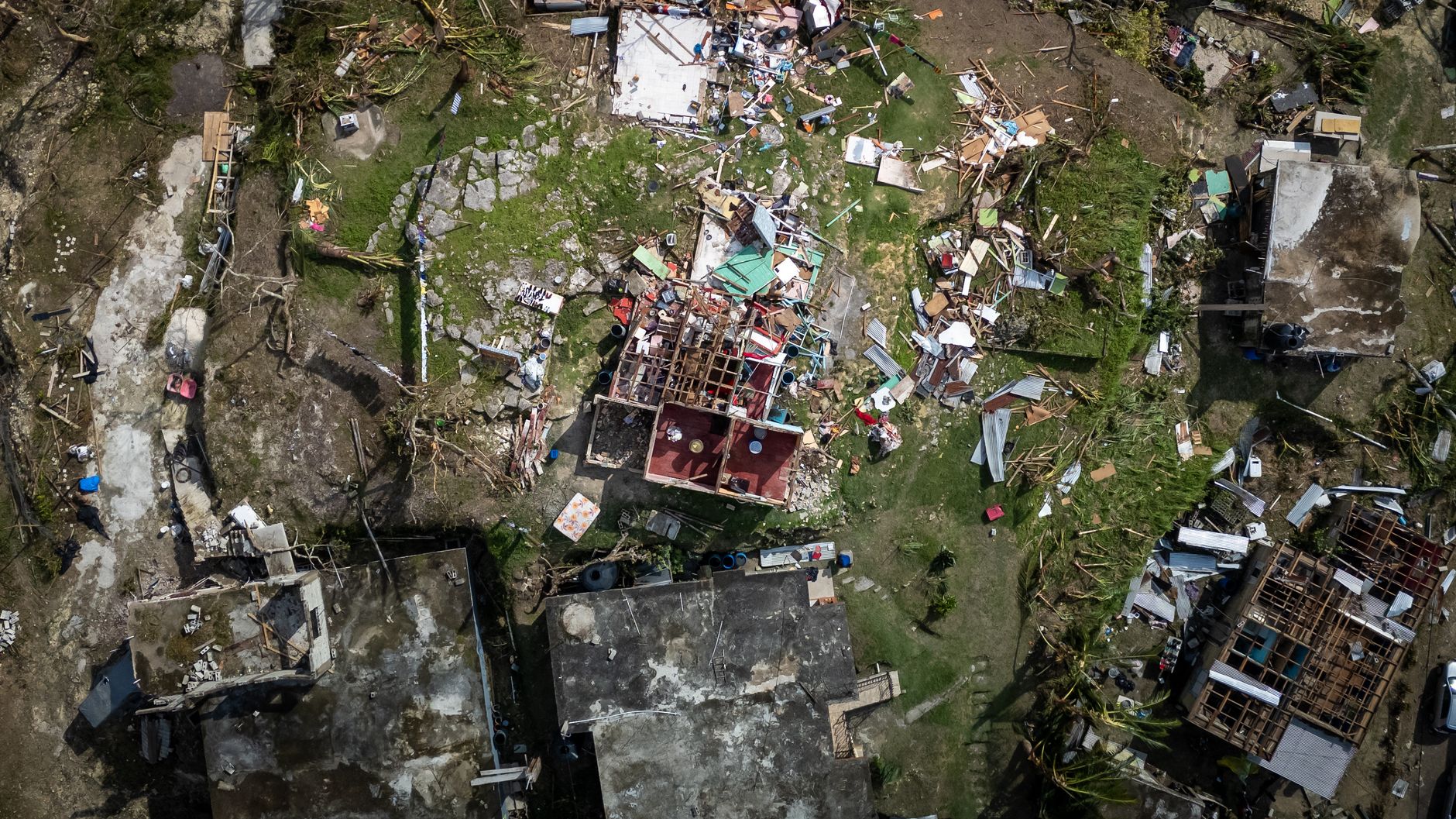
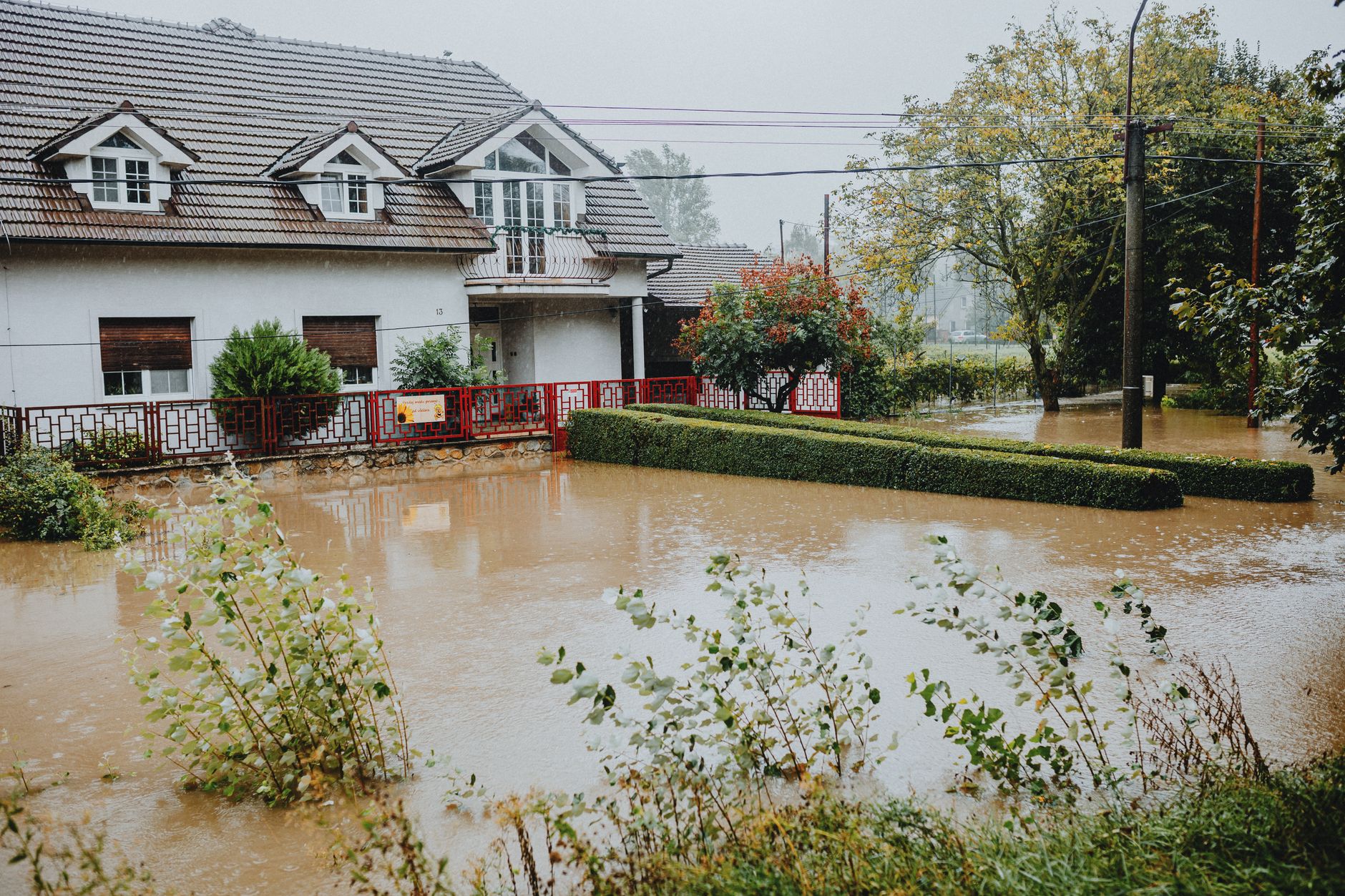
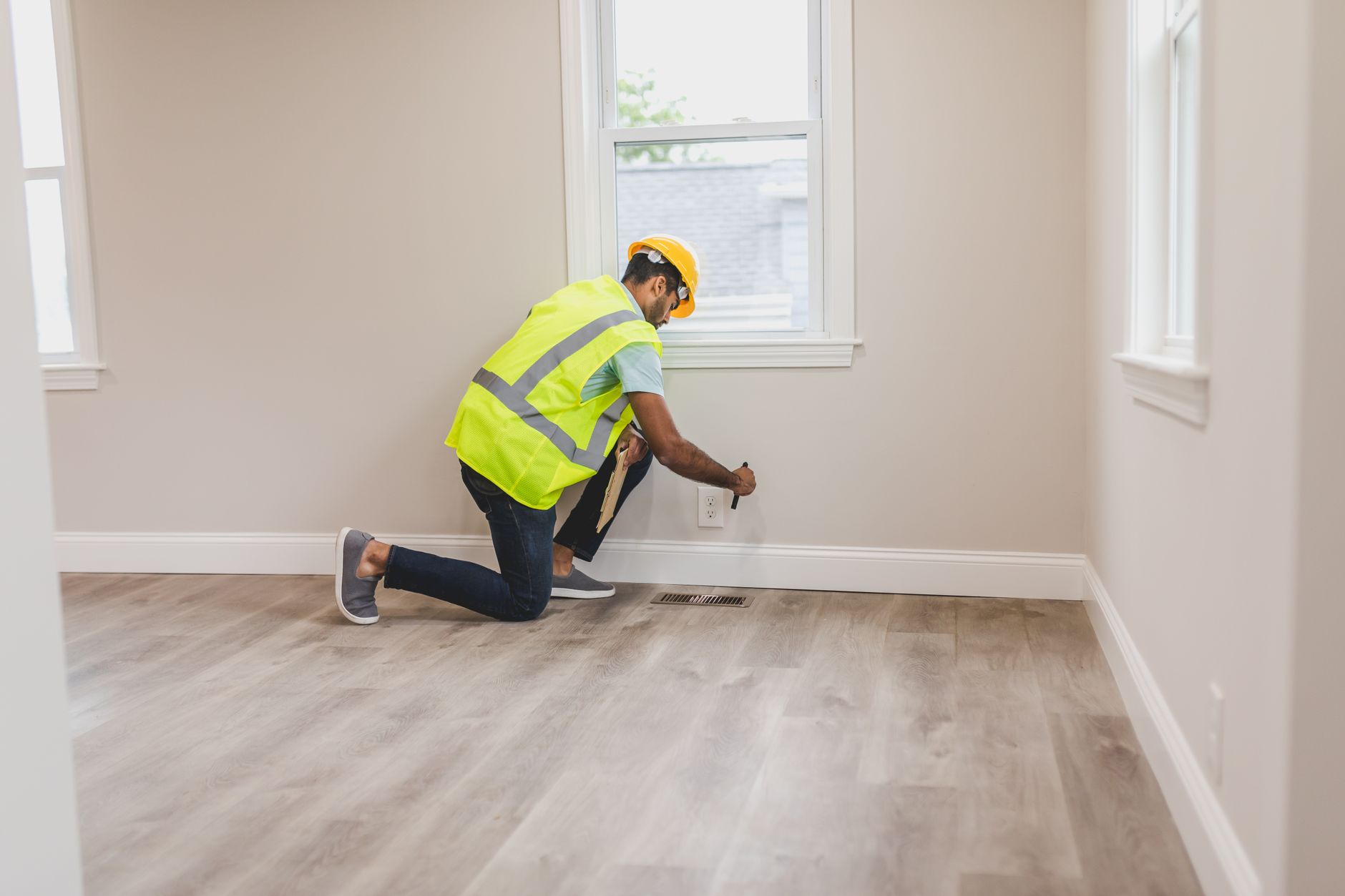
When disaster strikes, whether it’s a hurricane, flooding, or a fire, the aftermath can be overwhelming. As a homeowner in Palm Beach, your immediate thoughts may revolve around the physical damage to your property, but equally important is the air quality within your home. Poor air quality can have significant health implications and complicate recovery efforts.
After a disaster, airborne pollutants can be prevalent, including mold spores, dust, and volatile organic compounds (VOCs) released from damaged materials. Understanding how to manage and improve air quality during recovery can make a profound difference not only in your comfort but also in safeguarding your health.
The Importance of Air Quality in Recovery
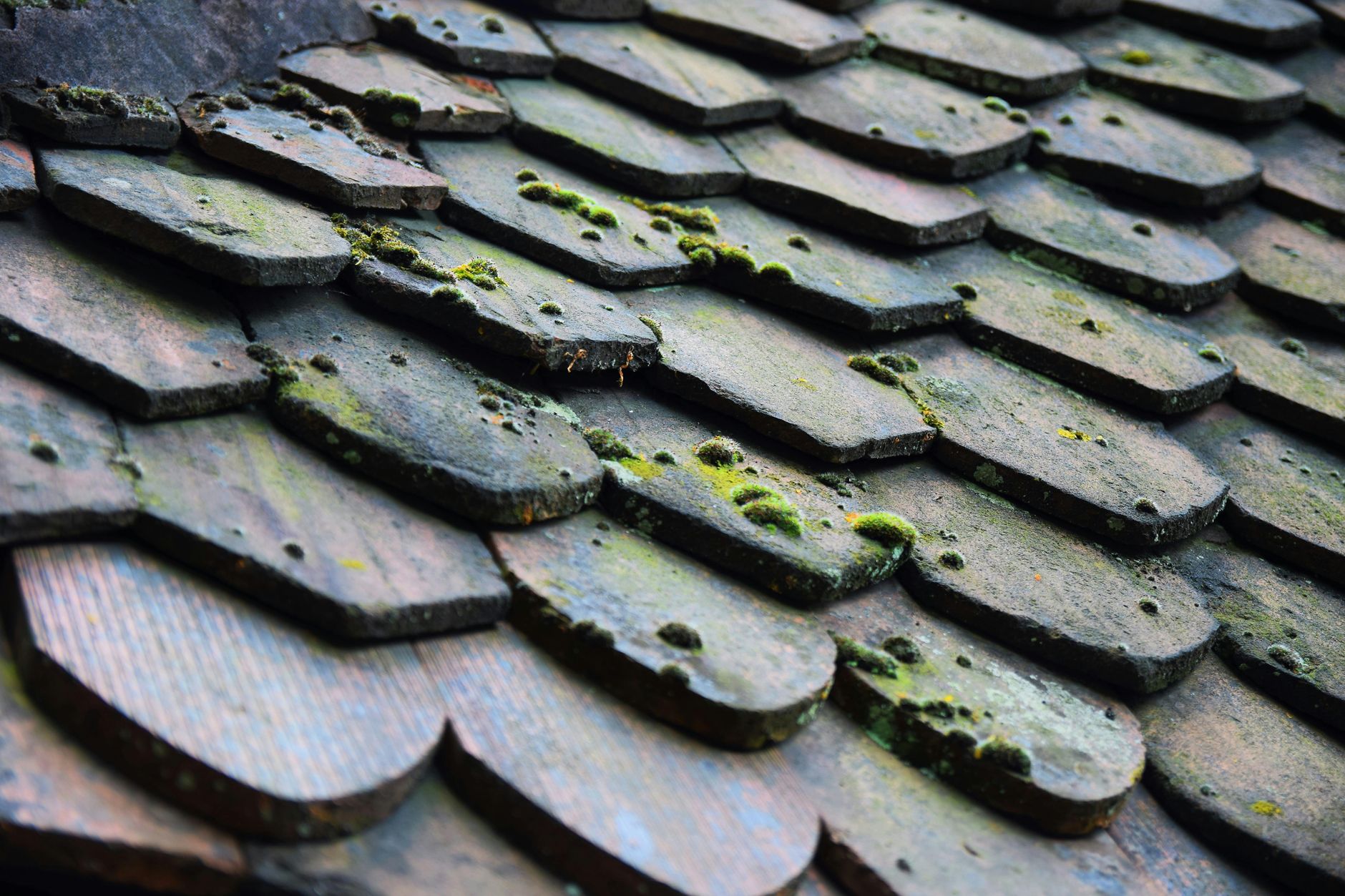
Air quality is critical in post-disaster recovery because it can directly impact the health and well-being of everyone in your home. After incidents like flooding, mold can quickly develop, often within 24 to 48 hours, leading to respiratory problems, allergic reactions, and other health concerns. Additionally, smoke from fires can permeate your home, leaving behind harmful particles.
In Palm Beach, where humidity levels can exacerbate these issues, ensuring clean air is even more essential. Homeowners should be proactive about air quality by using air purifiers, ensuring good ventilation, and promptly addressing any water damage that can lead to mold growth.
How to Assess Air Quality
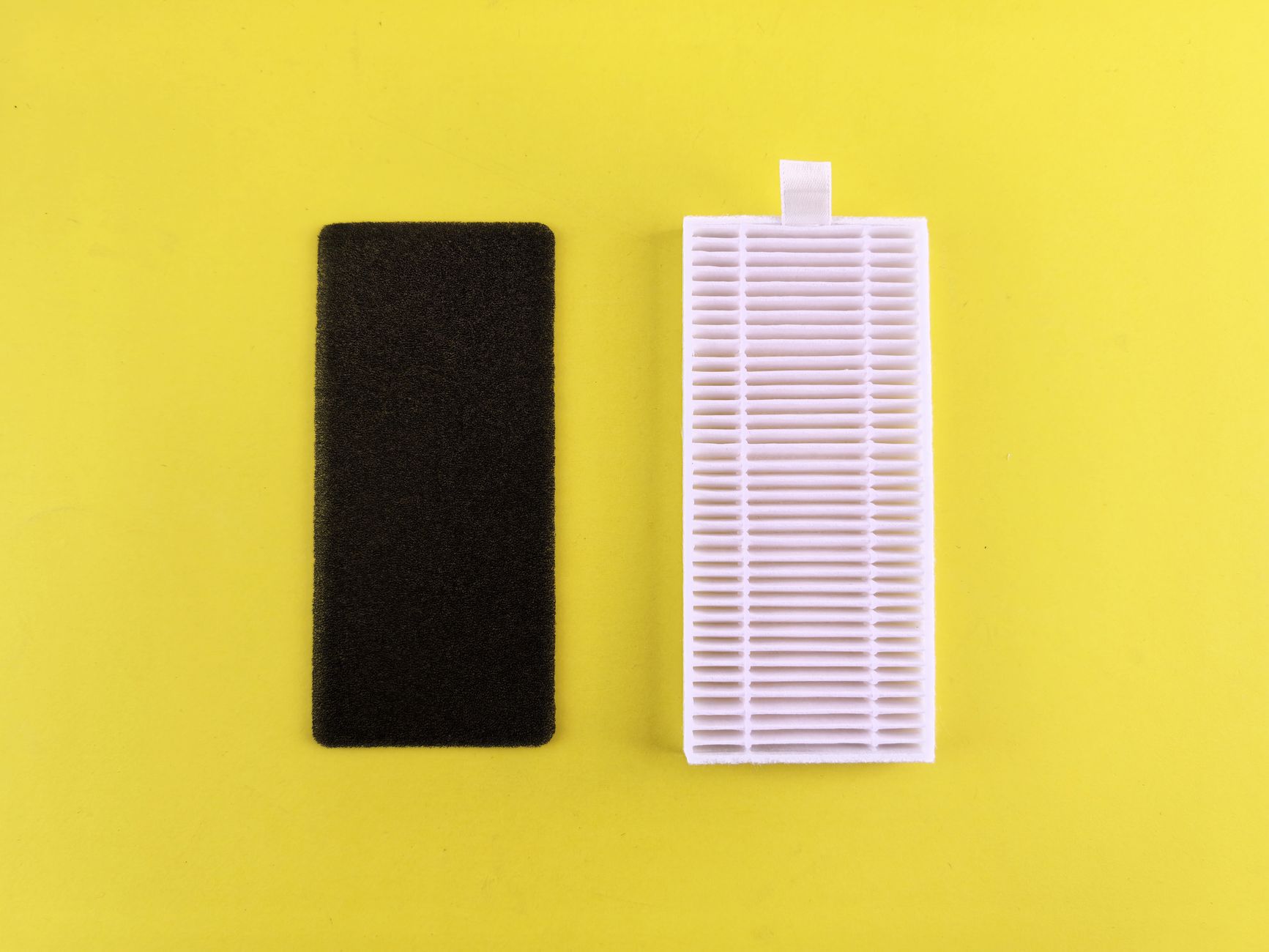
After a disaster, you may want to assess the air quality in your home. Here are a few steps to consider:
- Check for visible mold growth or water damage.
- Use a dehumidifier to reduce humidity levels.
- Consider testing your air for pollutants, especially if you notice unusual odors or respiratory symptoms.
If you suspect that mold may be an issue, consider contacting professionals for air duct mold removal and other services that can help restore air quality.
Steps to Improve Air Quality
Once you’ve assessed the situation, improving air quality is your next priority. Here are some effective steps you can take:
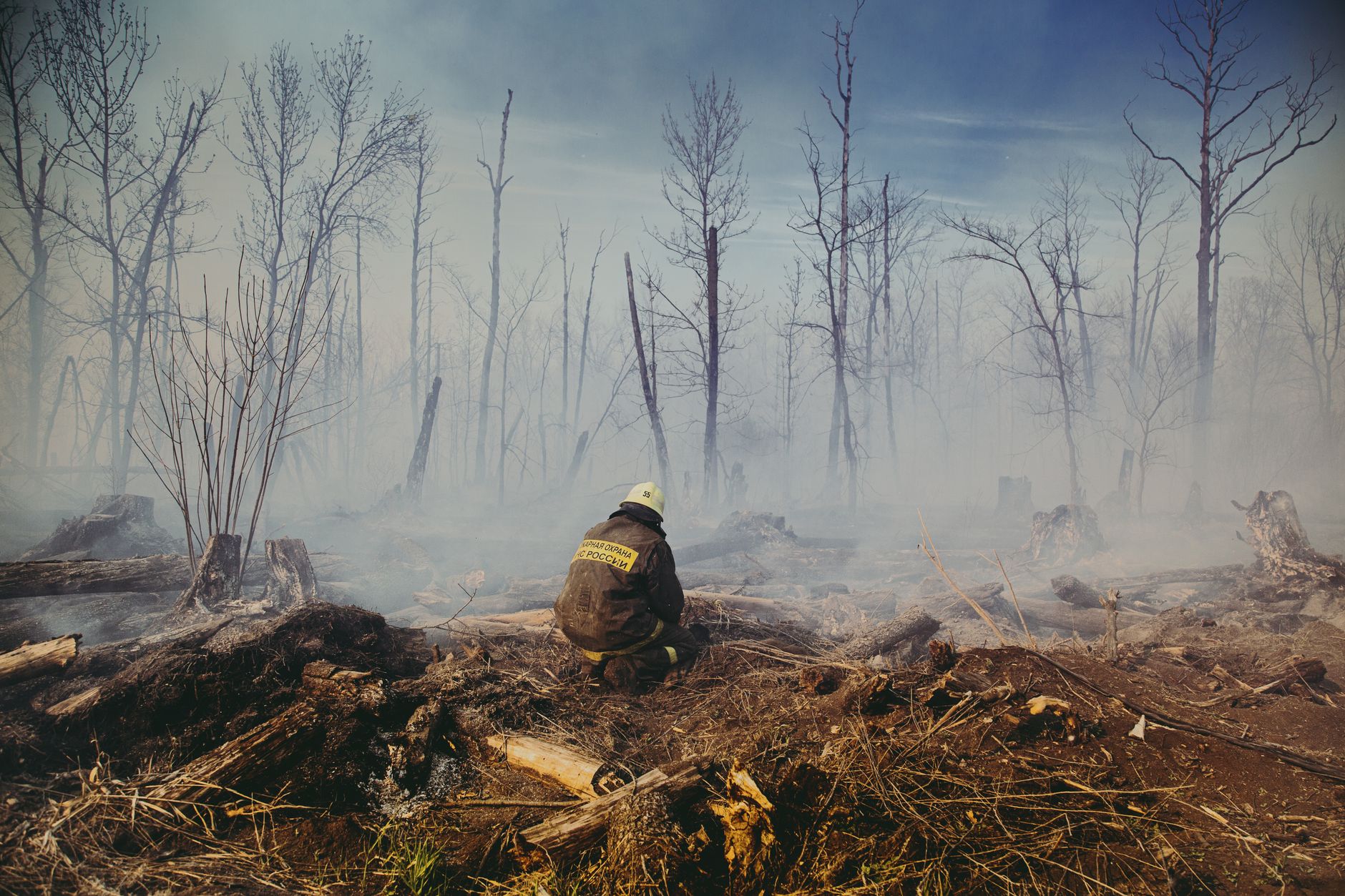
- Air Purifiers: Invest in HEPA air purifiers to trap airborne particles, including mold spores and dust.
- Ventilation: Open windows and doors when possible to increase airflow. This helps to dilute indoor air pollutants.
- Regular Cleaning: Keep surfaces clean to minimize dust and allergens. Use damp cloths to avoid stirring up dust.
- Humidity Control: Maintain indoor humidity levels between 30% and 50% to discourage mold growth.
In cases of significant water damage, it may be necessary to seek help from restoration experts who can assess the extent of the damage and provide comprehensive solutions. At Palm Beach Mold And Water, we specialize in post-disaster recovery, ensuring that air quality is a top priority.
When to Call a Professional
If you notice persistent air quality issues despite your best efforts, it may be time to call in professionals. Signs include:
- Visible mold growth that you cannot safely remove yourself.
- Unusual odors that linger despite cleaning.
- Health symptoms that worsen indoors, such as coughing, sneezing, or eye irritation.
Professional services, such as those provided by Palm Beach Plumbing Experts, can help you identify hidden moisture issues and improve air quality effectively.
Conclusion
Understanding the role of air quality during post-disaster recovery is crucial for the well-being of your family and the integrity of your home. By taking proactive steps and knowing when to seek professional help, you can ensure a safer, healthier living environment as you navigate the recovery process. Remember, your health is paramount, and maintaining good air quality is a key component of a successful recovery.
For more tips on managing your plumbing systems effectively after a disaster, visit our blog on plumbing solutions tailored for coastal homes.