How To Safeguard Your Palm Beach Home From Mold After Water Damage
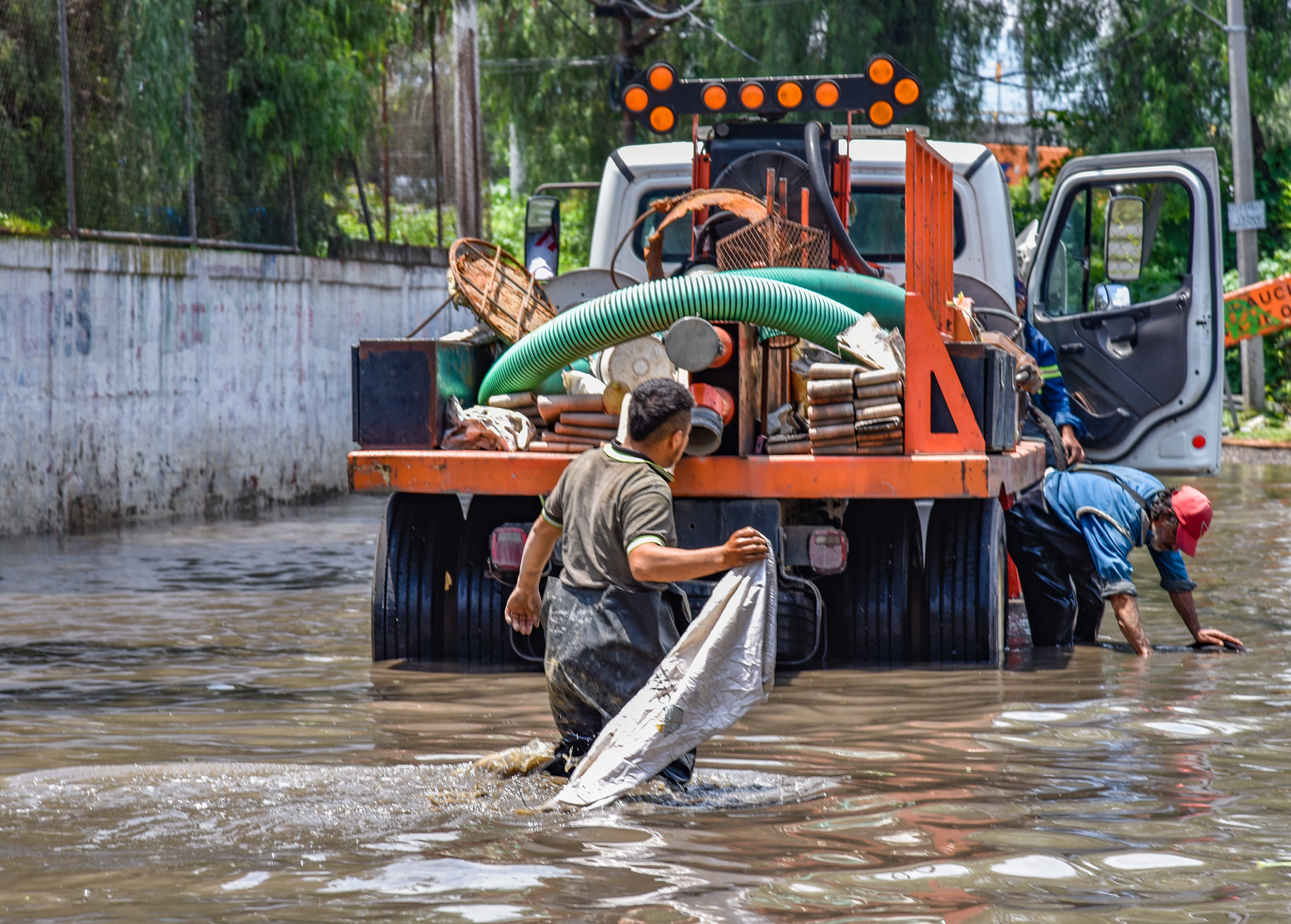
Experiencing water damage in your home can be incredibly stressful. Whether it’s from a burst pipe, a malfunctioning appliance, or a natural disaster, the aftermath often leaves homeowners feeling overwhelmed. One of the most significant risks following any form of water damage is the potential for mold growth. Mold can thrive in damp conditions, making it crucial to act quickly and effectively to safeguard your home.
In this guide, we'll cover the steps you can take to prevent mold after water damage, ensuring your Palm Beach home remains safe and healthy.
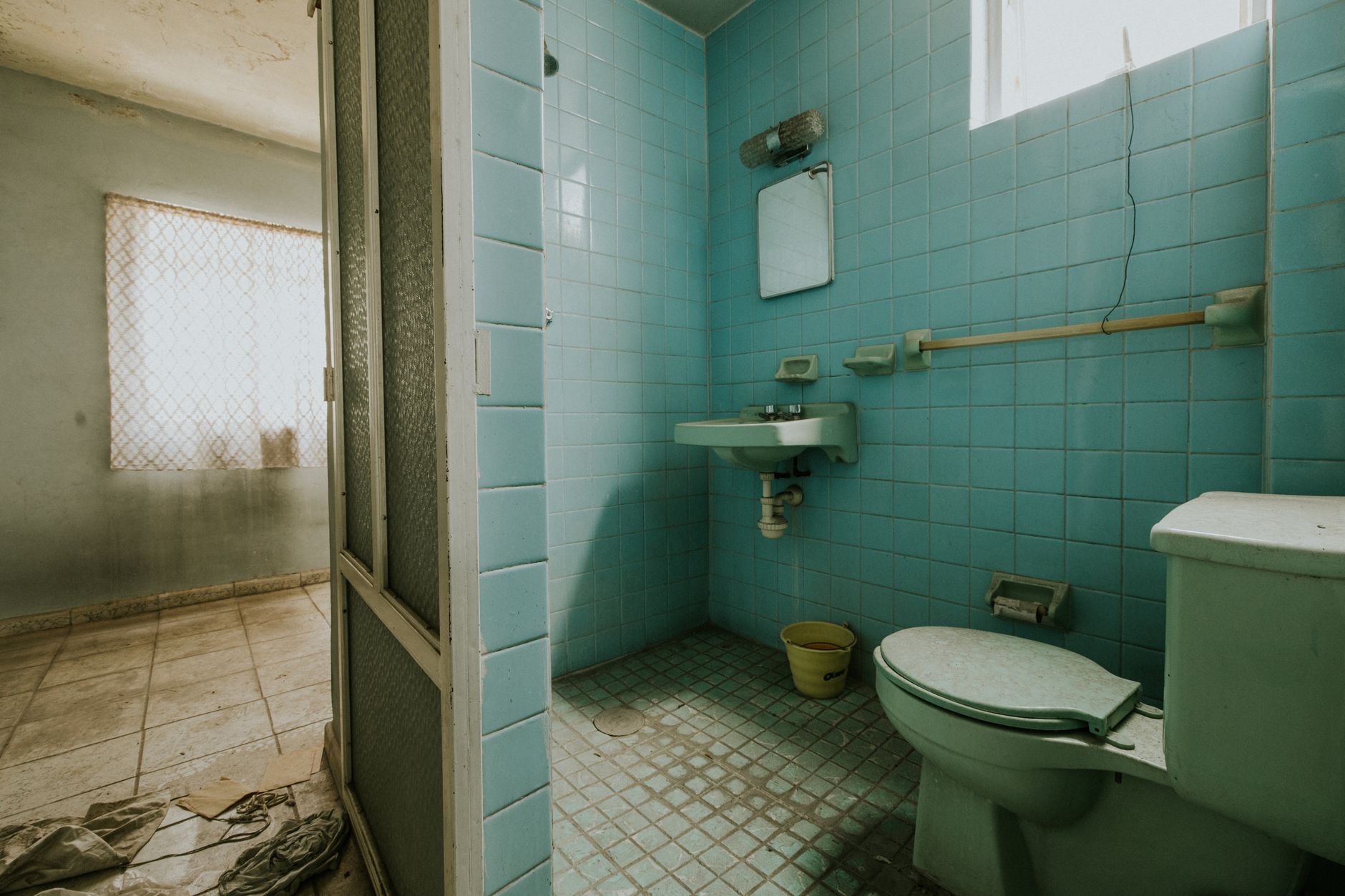
Understanding the Risks of Mold Growth
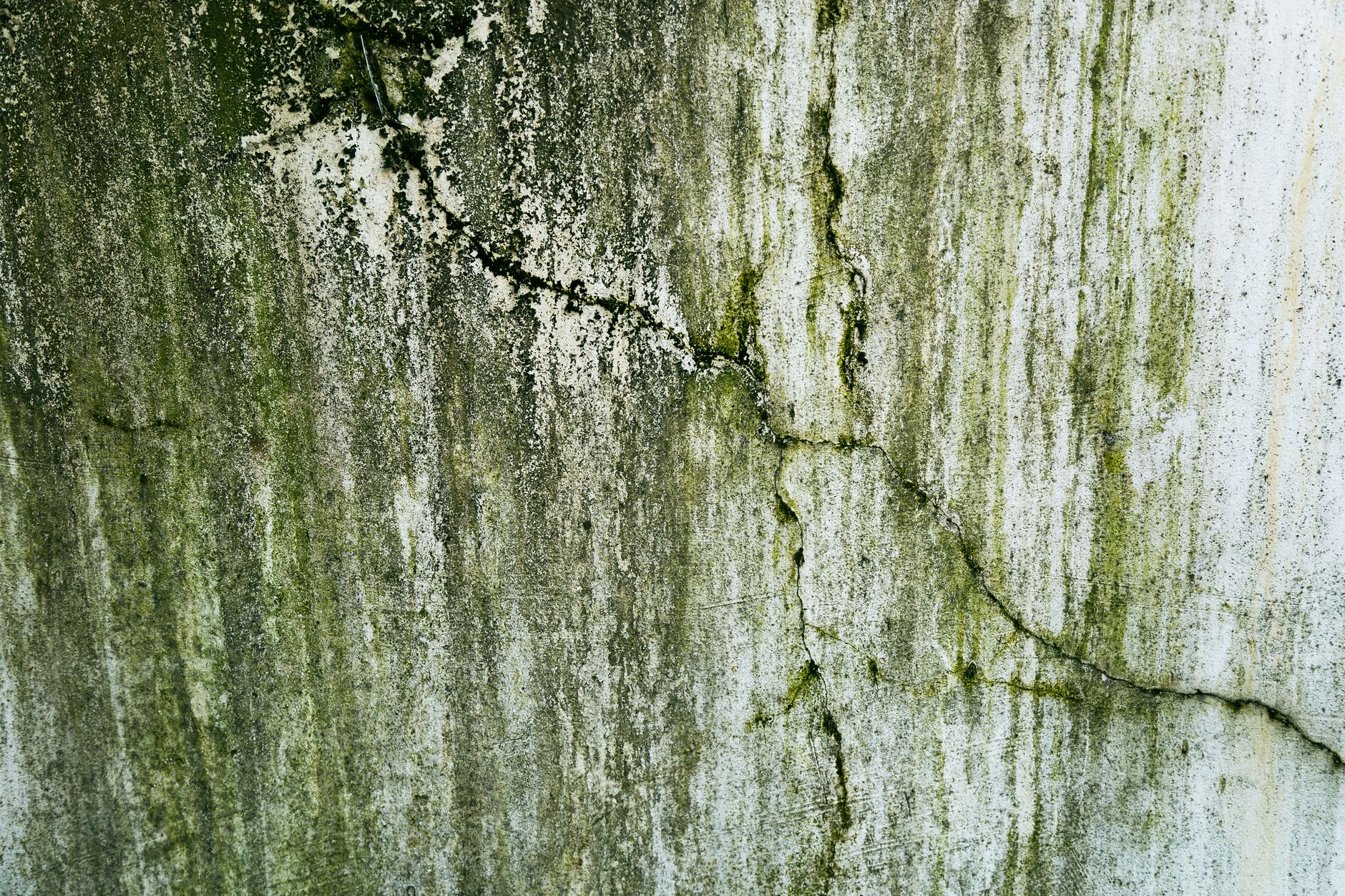
Mold is a type of fungus that can grow almost anywhere there is moisture. In Palm Beach, where humidity levels are often high, the risk of mold growth increases significantly after water damage. Mold can start to develop within 24 to 48 hours of water exposure, so time is of the essence when it comes to remediation.
Not only can mold cause structural damage to your home, but it can also pose serious health risks to your family. Symptoms of mold exposure can include respiratory issues, skin irritation, and even more severe allergic reactions. Therefore, understanding how to manage and mitigate this risk is essential for any homeowner.
Immediate Steps to Take After Water Damage
Once water damage has occurred, your first priority should be to stop the source of the water. If it’s a plumbing issue, turn off the water supply. If you are unable to do so, it’s advisable to call a professional for immediate assistance. Here are the immediate steps you should follow:
- Remove standing water: Use a wet/dry vacuum or mop to eliminate any visible water.
- Dry out the area: Open windows and doors to promote airflow. Use fans and dehumidifiers to help speed up the drying process.
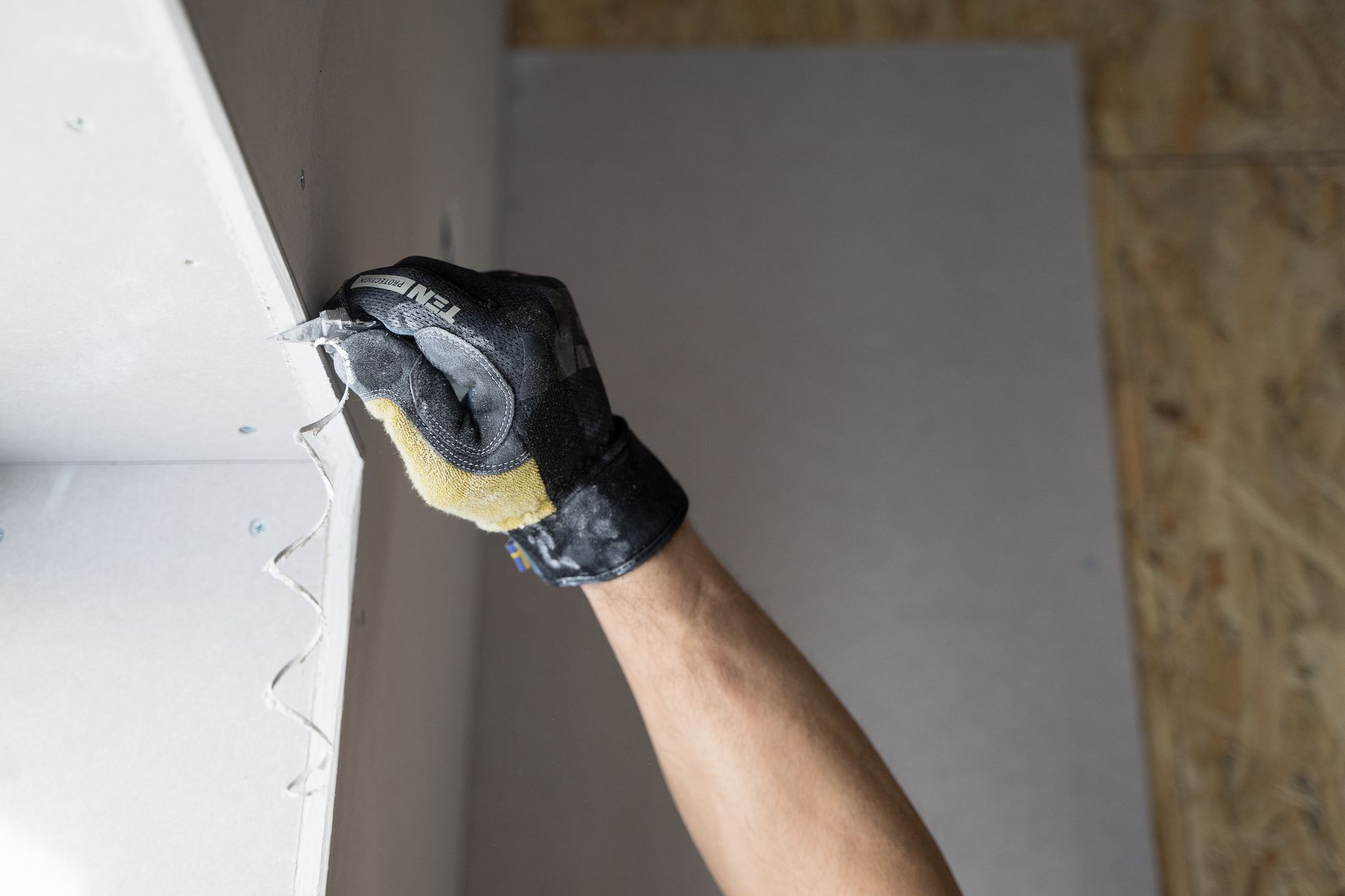
- Remove damaged materials: Discard any soaked carpets, drywall, or insulation that may harbor mold spores.
Assessing and Controlling Humidity
Once you have addressed the immediate water issue, controlling humidity levels in your home becomes critical. Use dehumidifiers to maintain indoor humidity below 60%, ideally between 30% and 50%. This range is less conducive to mold growth and will help keep your home comfortable.
Additionally, consider using air conditioning units, especially during the hot, humid months in Palm Beach. Regular maintenance of your AC system can prevent moisture buildup that might lead to mold issues.
Long-Term Mold Prevention Strategies
To truly safeguard your home against mold, you’ll want to implement some long-term strategies:
- Regular inspections: Periodically check areas prone to moisture, such as basements, bathrooms, and around appliances.
- Proper ventilation: Ensure that your home is well-ventilated, especially in high-moisture areas. Consider installing exhaust fans in bathrooms and kitchens.
- Seal leaks: Regularly inspect and seal any leaks in your roof, walls, and plumbing systems.
- Use mold-resistant products: When repairing or renovating, consider using mold-resistant drywall and paints.
When to Call a Professional
If you notice mold growth or if the water damage is extensive, it’s wise to call in a restoration professional. They can assess the damage, remove mold safely, and ensure that your home is thoroughly dried out. Professionals also have access to specialized equipment that can help in effectively managing both water damage and mold growth.
Insurance Considerations
Understanding your insurance coverage is also vital after water damage. Many homeowners' policies cover mold remediation if it’s caused by a covered peril, such as a burst pipe. However, if mold develops due to negligence or lack of maintenance, it may not be covered. It’s advisable to review your policy and consult with your insurance agent to clarify what is and isn’t included.
Conclusion
Protecting your Palm Beach home from mold after water damage requires immediate action and ongoing vigilance. By following these steps, you can significantly reduce the risk of mold growth and maintain a safe, healthy living environment for your family. Remember, if you’re ever in doubt, don’t hesitate to reach out to a professional for expert assistance.
For more tips on safeguarding your home, check out this resource on how to protect your home from seasonal storm damage.