How Severe Weather Impacts Mold Growth In Palm Beach County Homes
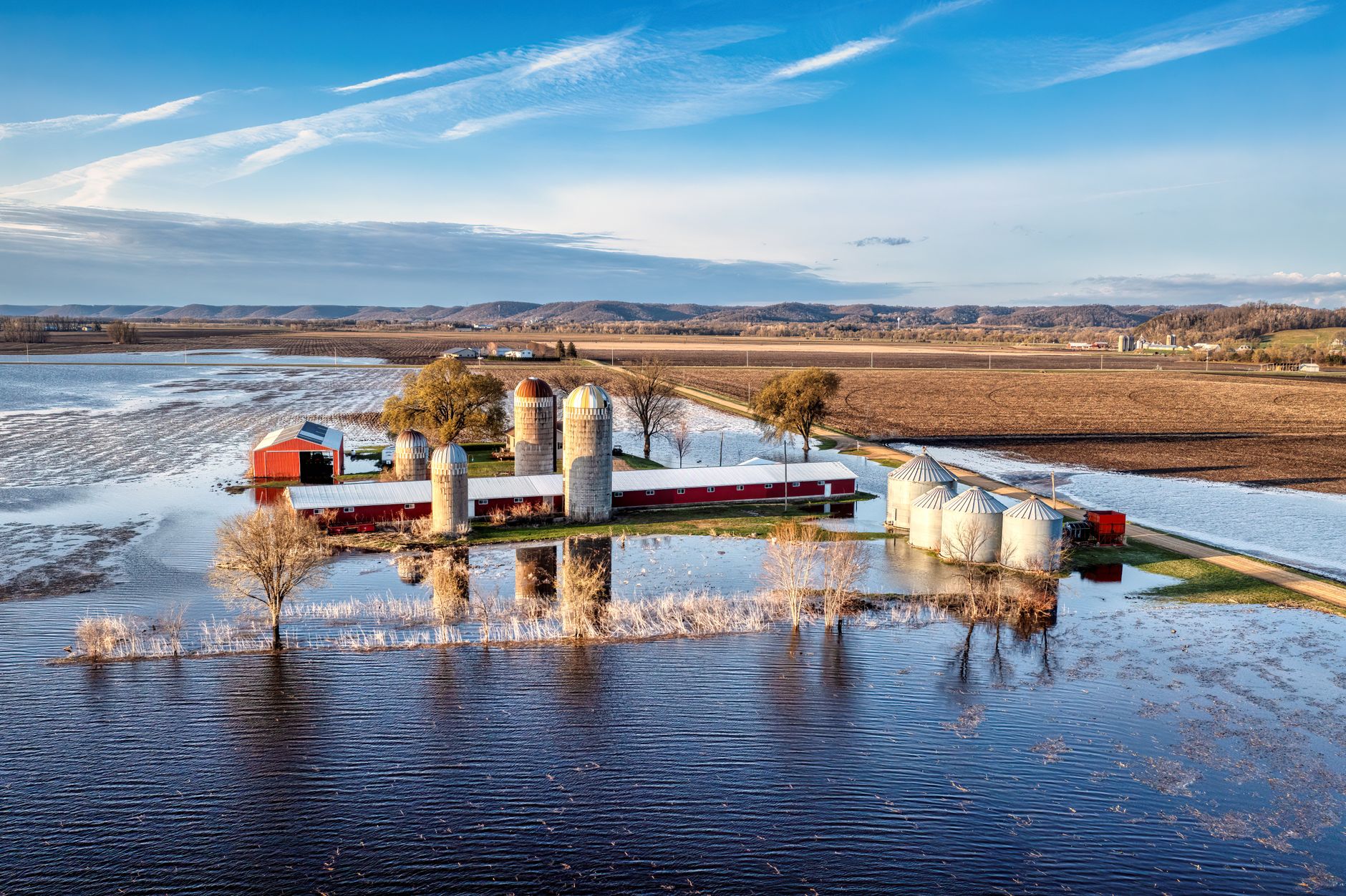
Living in Palm Beach County means enjoying the beautiful weather, but it also comes with its share of severe weather events. From heavy rainstorms to hurricanes, these weather patterns can lead to significant moisture buildup in homes, creating an ideal environment for mold growth. Understanding how these conditions affect your home is crucial for maintaining a safe and healthy living space.
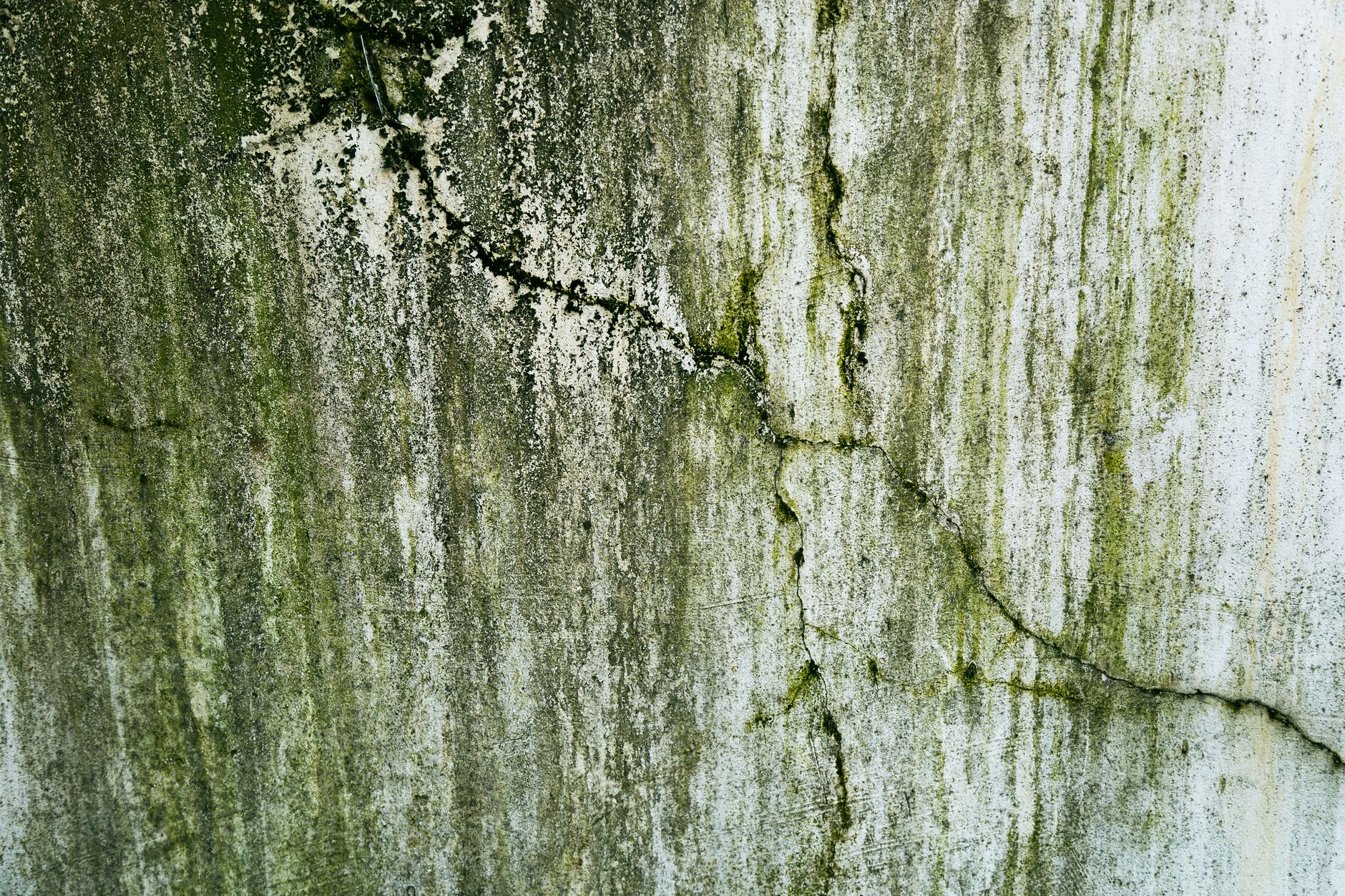
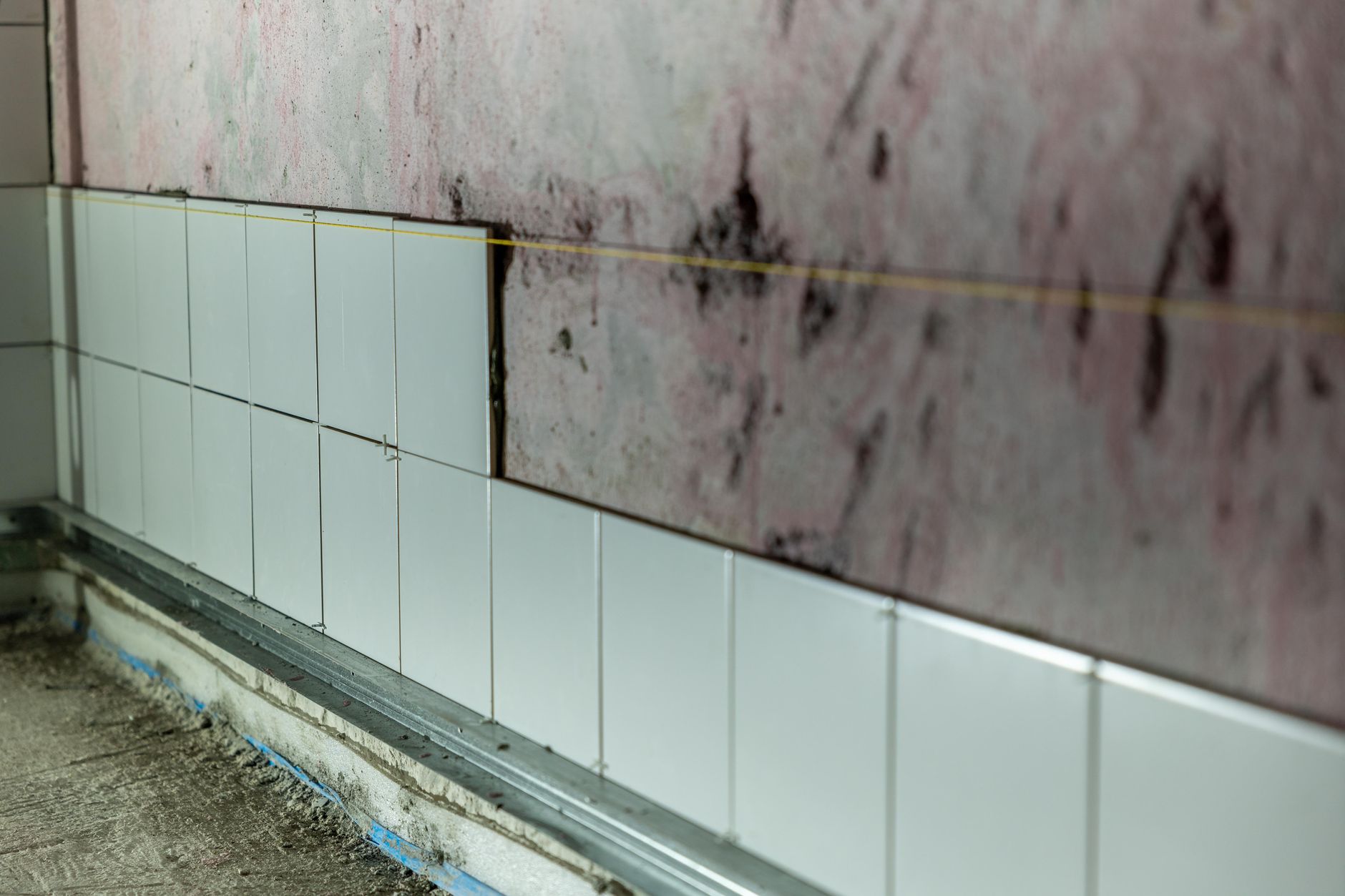
Mold is a fungus that thrives in damp, humid environments. When severe weather strikes, especially during the rainy season, water can infiltrate your home in various ways—through leaks, flooding, or even high humidity levels. When the air is saturated with moisture, it can condense on cool surfaces, leading to mold growth on walls, ceilings, and even inside your air ducts. This is especially concerning as mold can pose health risks and cause structural damage if left unchecked.
The Connection Between Severe Weather and Mold Growth
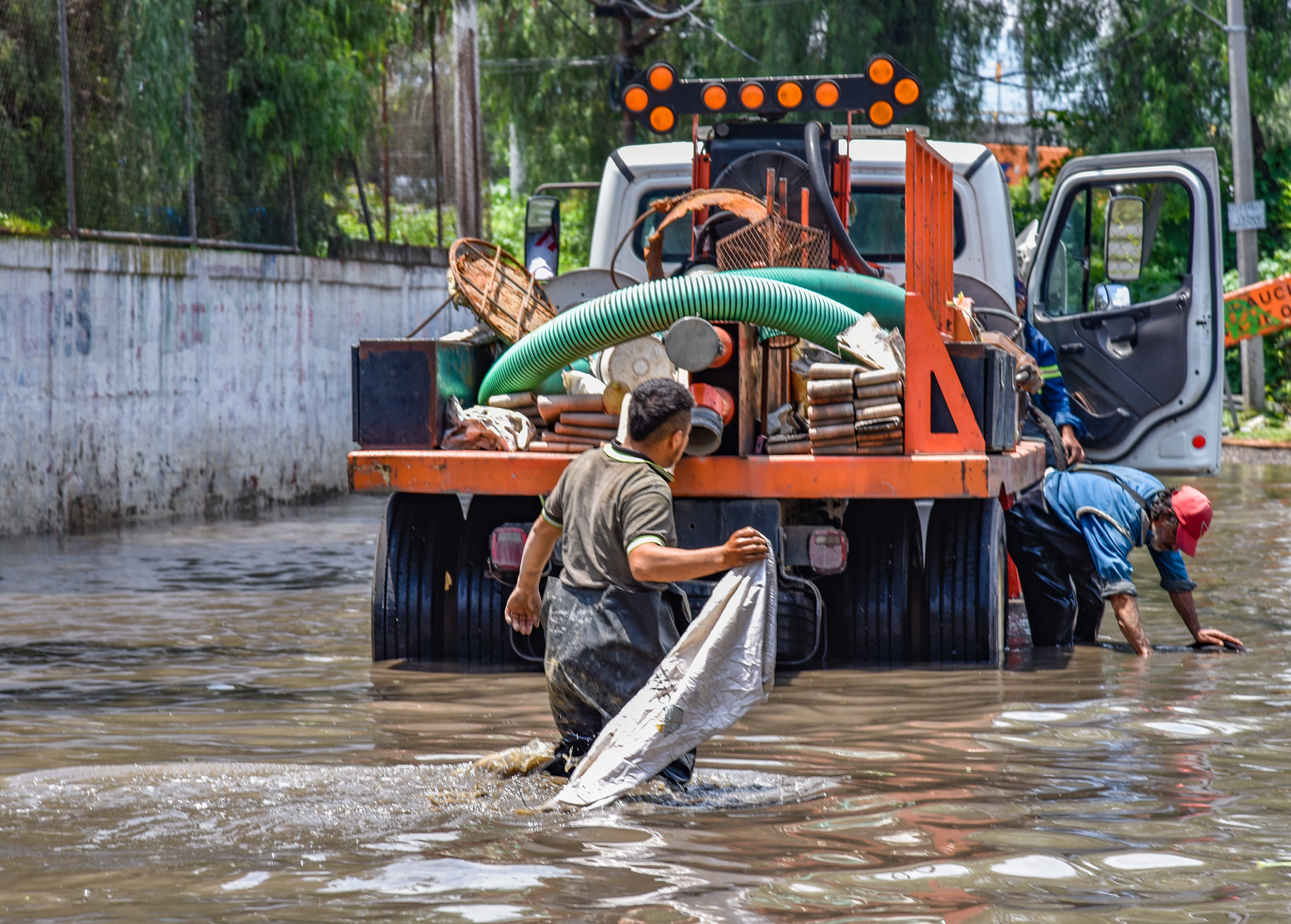
When heavy rains and storms hit Palm Beach County, the chances of water damage increase dramatically. Here are a few ways severe weather can contribute to mold growth:
- Flooding: Floodwaters can enter homes through cracks in the foundation or basement, leading to standing water that promotes mold.
- Roof Leaks: Wind and rain can cause shingles to lift or break, allowing water to seep into your attic or ceilings.
- Humidity: Even after a storm, high humidity levels can persist, especially in closed indoor environments, providing a breeding ground for mold.
Recognizing the signs of mold growth is critical. Homeowners should be vigilant for symptoms such as a musty odor, visible mold patches, or water stains on walls and ceilings. If you notice any of these signs after a storm, it’s essential to act quickly to mitigate the damage.
What to Do After Severe Weather
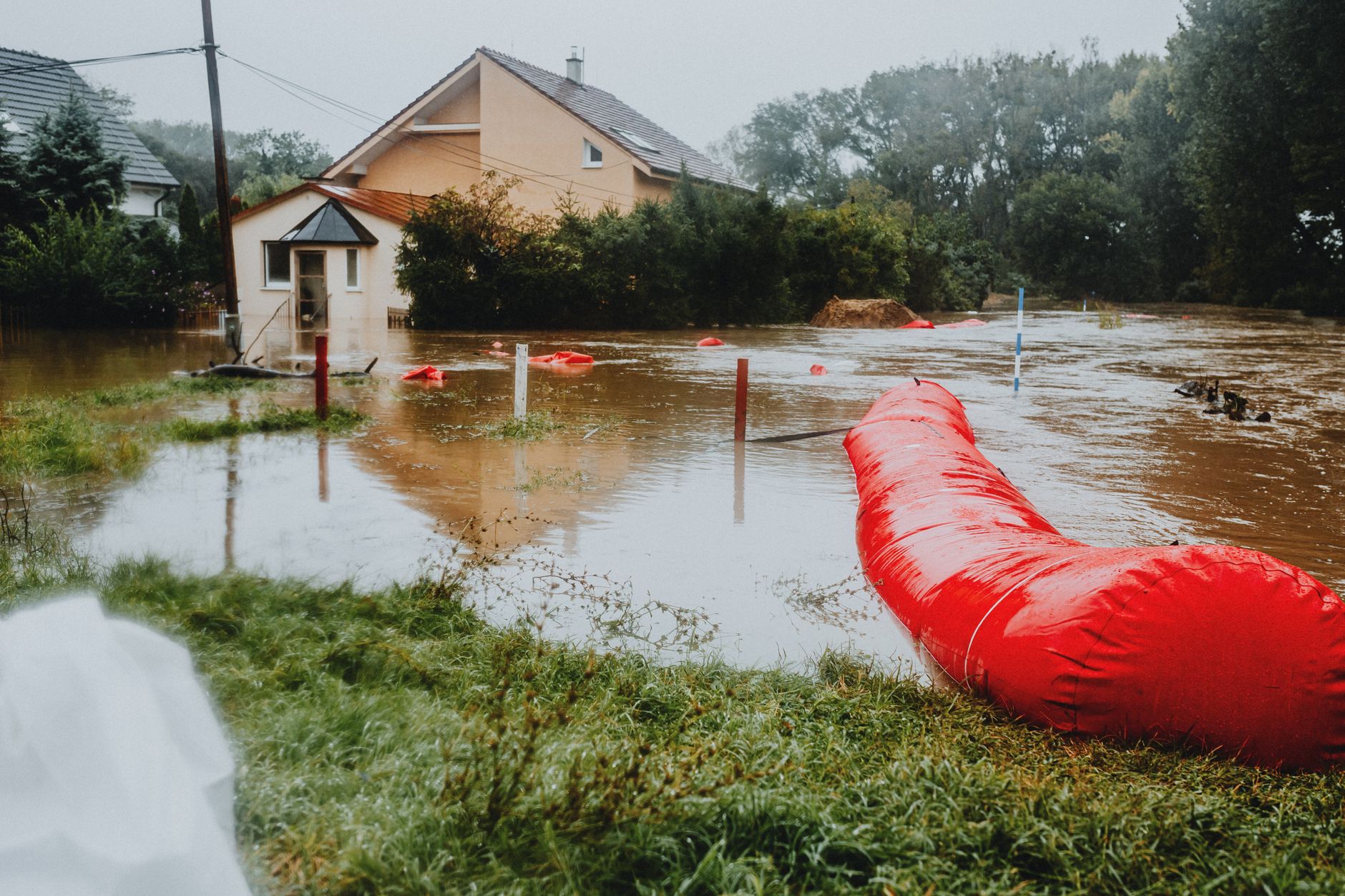
After experiencing severe weather, it is prudent to inspect your home for any signs of water damage. Here are some steps you can take:
- Check your roof and gutters for debris that may cause blockages.
- Inspect your basement and crawl spaces for any standing water.
- Look for leaks around windows and doors, particularly in areas previously affected by storms.
If you find signs of water intrusion or mold, you should contact a professional restoration service immediately. A team like Palm Beach Mold And Water can assess the damage, provide mold remediation, and ensure your home is safe.
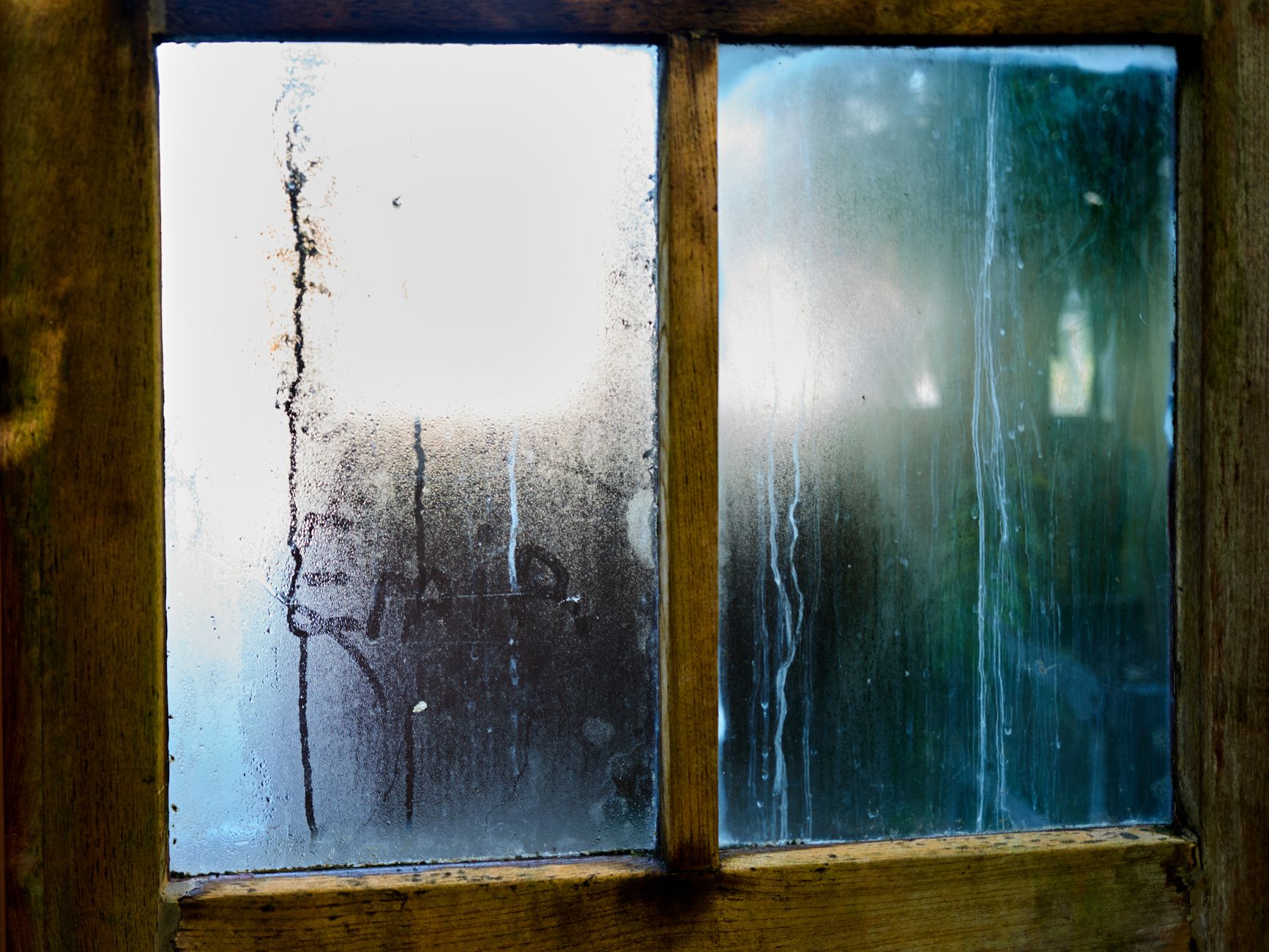
One aspect often overlooked is the role of air ducts in mold growth. If your home has experienced flooding or high humidity, it's vital to have your HVAC system inspected. Mold can easily spread through the air, making it necessary to address any potential contamination in your ductwork. For specialized air duct mold removal services, consider reaching out to Broward Restoration Pros.
Prevention Tips for Homeowners
To minimize the risk of mold growth during severe weather, homeowners can take several proactive measures:
- Ensure proper drainage around your home to direct water away from the foundation.
- Install a dehumidifier in areas prone to moisture, such as basements and bathrooms.
- Regularly check and maintain your roof and gutters to prevent leaks.
Additionally, investing in mold-resistant materials during renovations can help safeguard your home against future mold problems. If you do discover mold, it’s essential to address it promptly, as untreated mold can lead to serious health issues and costly repairs. For guidance on safe mold removal practices, you might find useful information in this article: Top 7 Factors Influencing Mold Growth in Broward County Homes.
In conclusion, severe weather can significantly impact mold growth in Palm Beach County homes. Being proactive in monitoring your home, addressing leaks promptly, and seeking professional help when needed can keep your living environment safe and free from mold. Remember, the sooner you act, the better your chances are of preventing extensive damage.