Essential Steps For Post-Disaster Mold Assessment In Palm Beach Homes
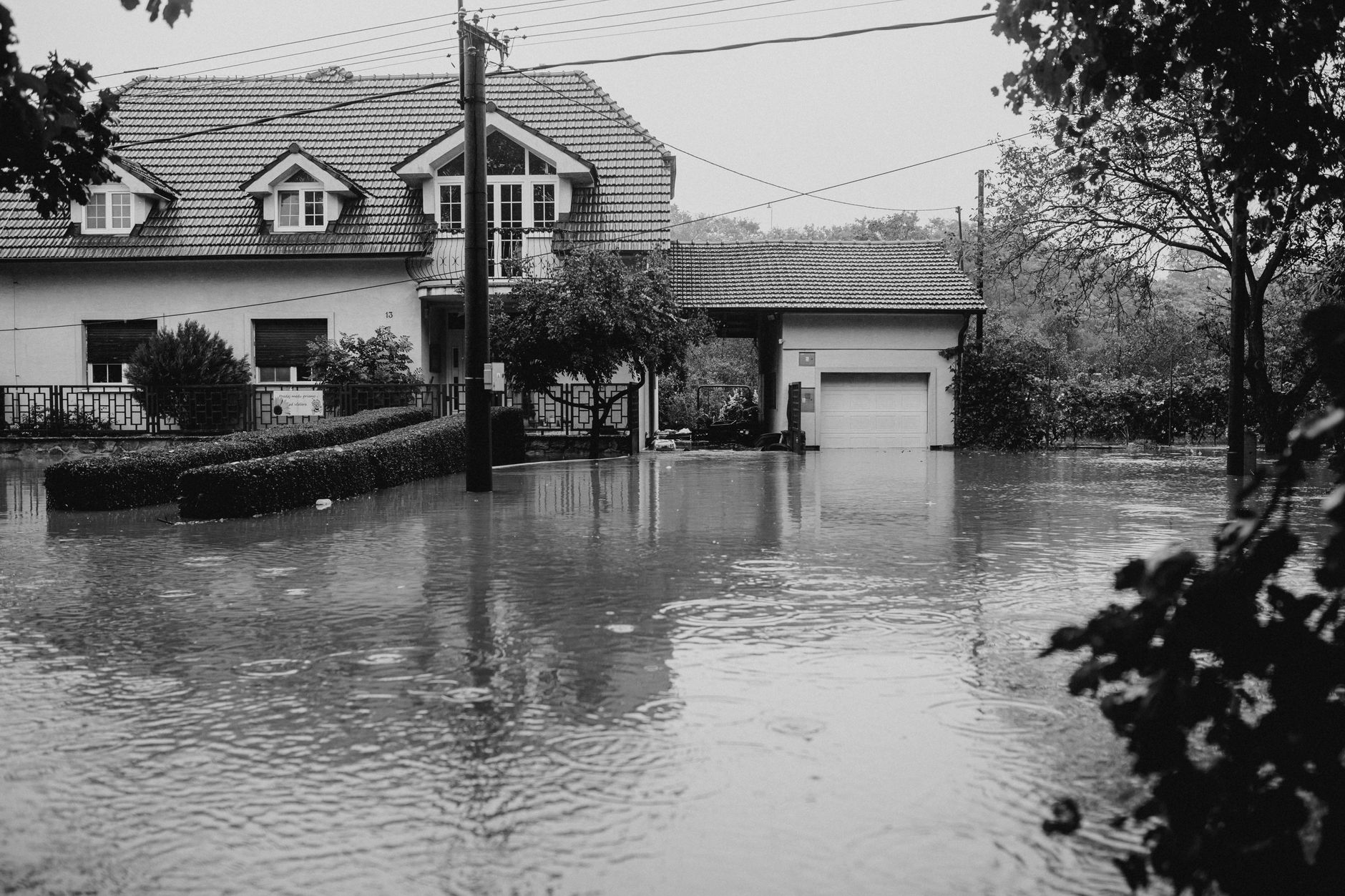
Experiencing a disaster in your home, whether it's a flood, fire, or severe storm, can be overwhelming. In the aftermath, one of the most pressing concerns is the potential for mold growth. Mold can start to develop within 24 to 48 hours after water damage occurs, making prompt assessment and action crucial. Understanding how to effectively assess for mold in your Palm Beach home can help you safeguard your living environment and protect your family's health.
Understanding the Risks of Mold Growth
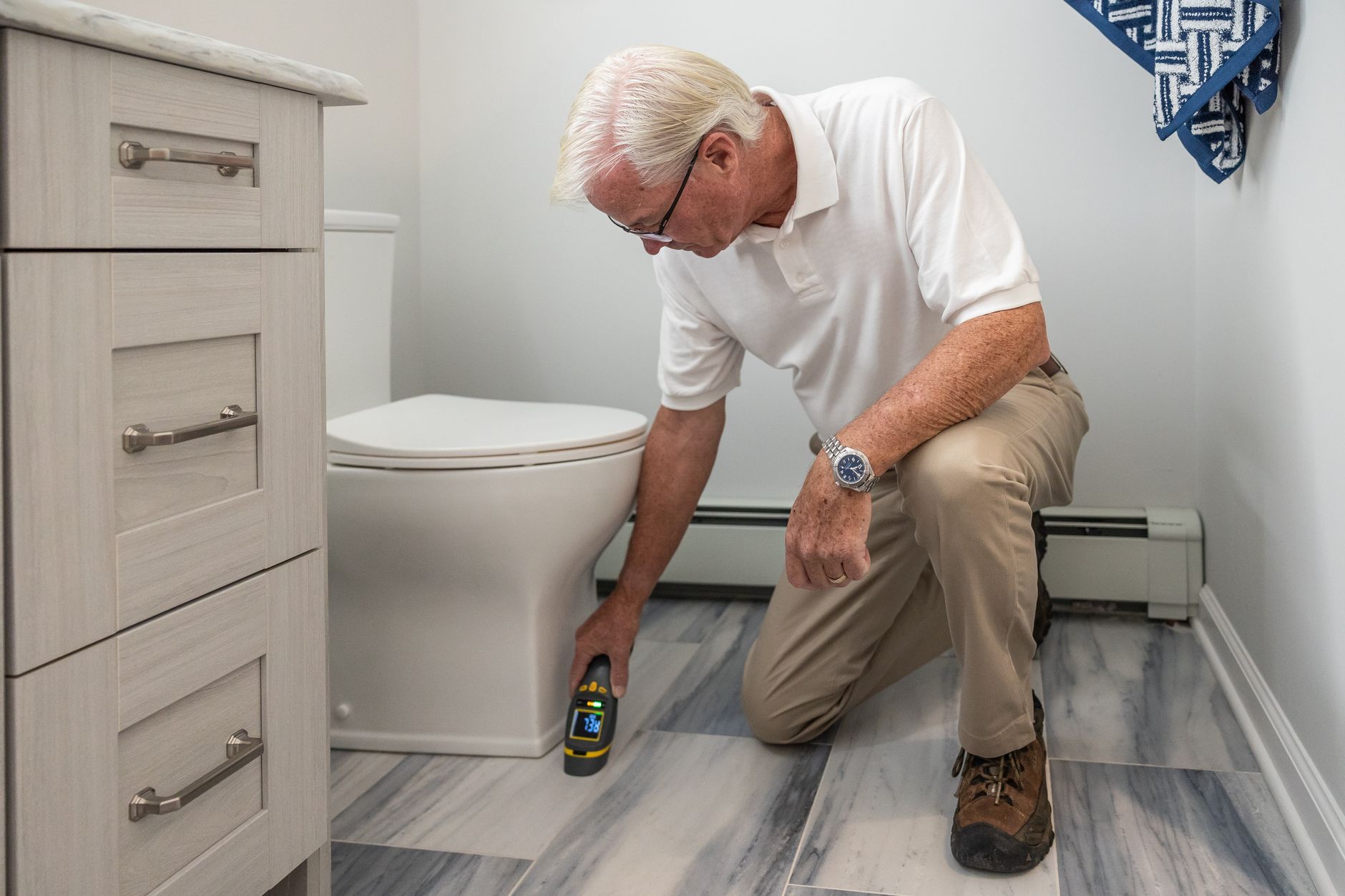
Mold thrives in damp, humid conditions, and Florida's climate can create the perfect environment for it to flourish, especially after disasters. Common areas where mold can develop include:
- Basements and crawl spaces
- Attics that have been exposed to water
- Behind walls and under flooring
- Bathrooms, kitchens, and laundry rooms
After a disaster, the first step is to assess where water damage has occurred. This will guide your mold inspection efforts.
Initial Steps for Mold Assessment
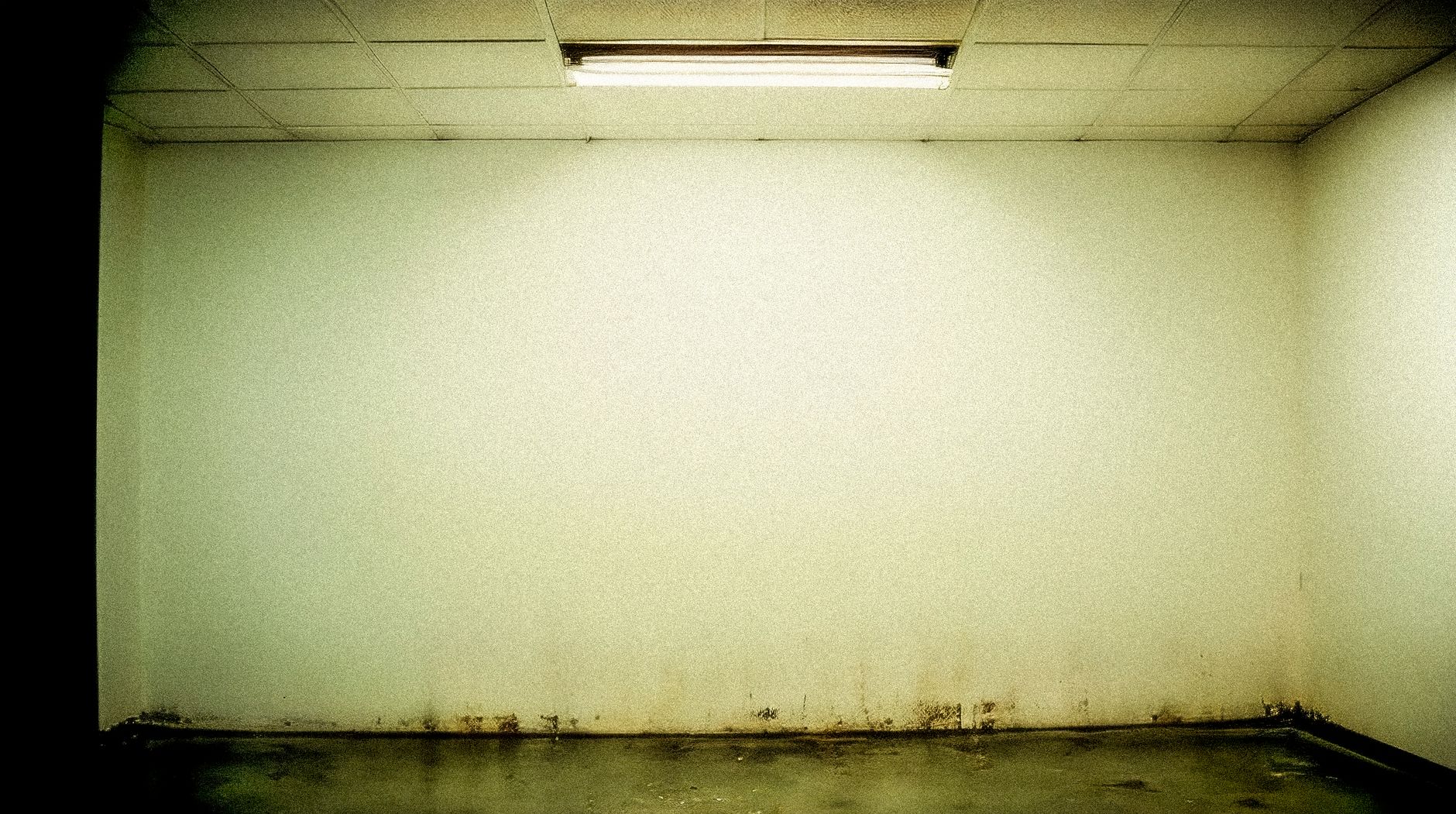
Start by conducting a thorough visual inspection of your home. Look for signs of water damage, such as:
- Discoloration on walls or ceilings
- Peeling or bubbling paint
- Musty odors, which can indicate hidden mold
- Visible mold growth, which may appear as black, green, or white spots
Don’t forget to check less obvious areas, such as under sinks or behind appliances. If you notice any of these signs, it's essential to take action quickly.
When to Call a Professional
While DIY assessments can be helpful, they often miss hidden mold problems. If you suspect extensive mold growth or if the damage is significant, it’s best to call a professional mold remediation service. Experts like Broward Restoration Pros can provide a more thorough assessment and remediation plan tailored to your specific situation.
Testing for Mold
If you're unsure about the presence of mold, consider mold testing. This can involve:
- Air sampling, which measures the concentration of mold spores in the air
- Surface sampling, where swabs or tape are used to test surfaces for mold
Mold testing can provide a clearer picture of mold levels in your home and help guide remediation efforts.
Taking Preventative Measures
Once mold has been assessed and removed, it’s vital to prevent future growth. Here are some steps you can take:
- Keep humidity levels low using dehumidifiers.
- Ensure proper ventilation, especially in bathrooms and kitchens.
- Repair any leaks promptly to avoid moisture accumulation.
Regular inspections can also help catch any potential issues before they escalate.
Documenting Damage for Insurance
If your home has suffered damage due to a disaster, it’s important to document everything for your insurance claim. Take photographs of all affected areas and keep records of any remediation work done. This documentation will support your claims process and ensure you receive the coverage you're entitled to.
Conclusion
A mold assessment after a disaster is a critical step in ensuring your home remains a safe haven for you and your family. If you need assistance, don’t hesitate to reach out to a professional service. You can find valuable insights on mold assessments and recovery processes on the Broward Restoration Pros blog. Remember, acting quickly can make all the difference in preventing mold-related health issues and costly repairs.