Essential Steps for Swift Mold Remediation After Water Damage in Palm Beach County
Water damage in your home can be a distressing experience, especially when it leads to the growth of mold. If you've recently dealt with a leak, flood, or another source of moisture intrusion, understanding the critical steps for mold remediation is essential. In Palm Beach County, where humidity levels can be high, mold can set in quickly, making swift action necessary.
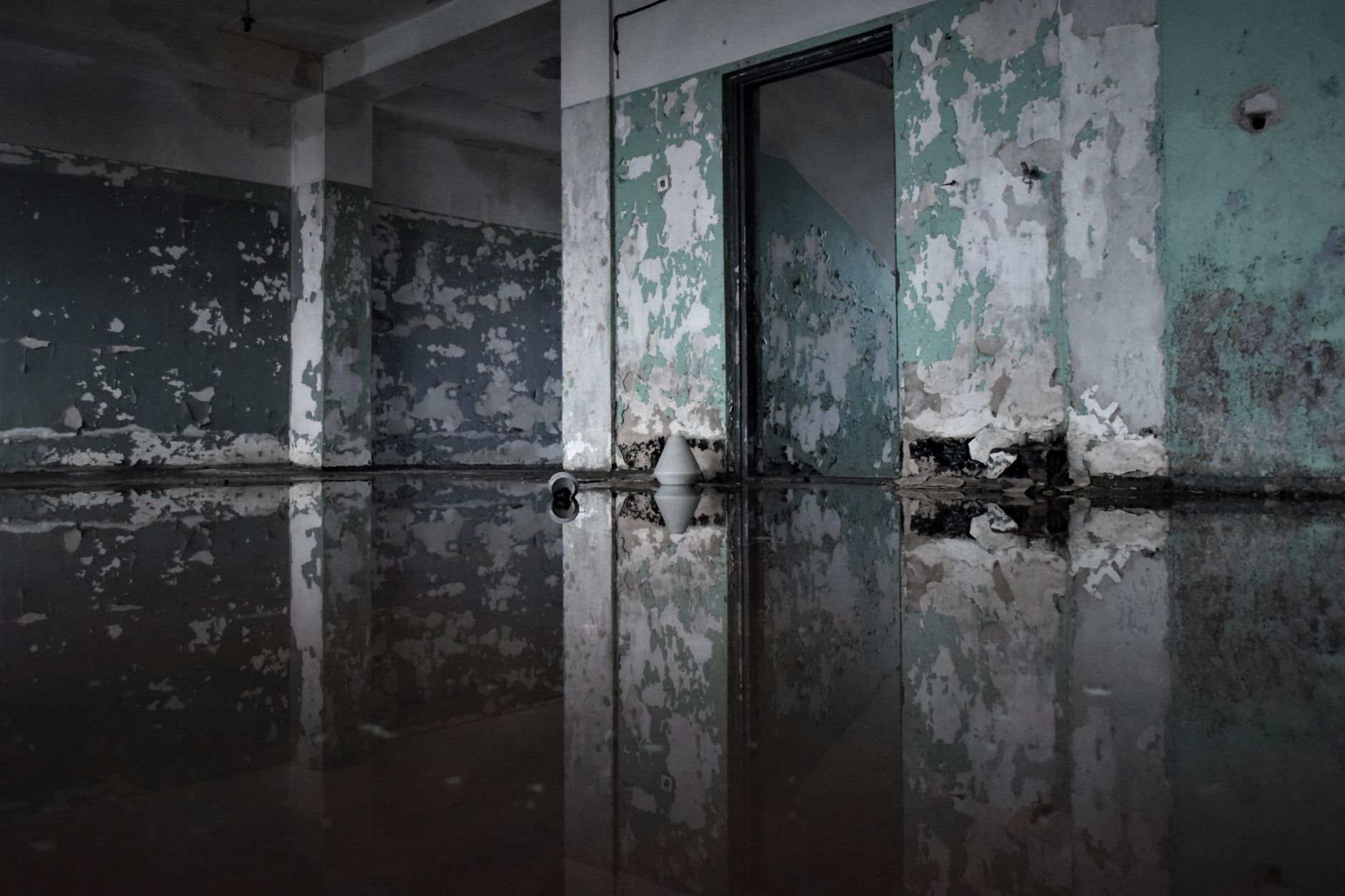
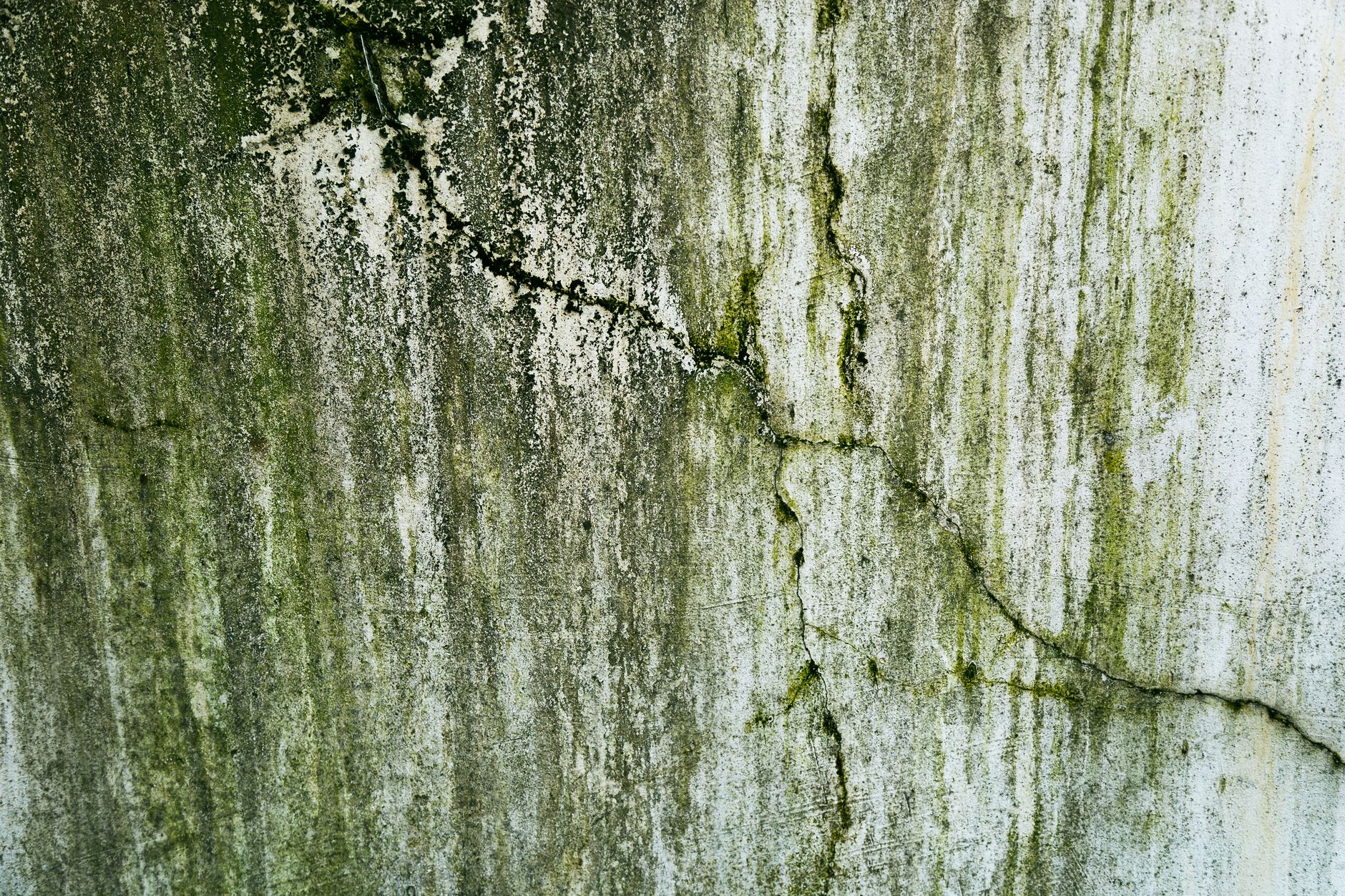
The first step is to assess the extent of the water damage. Look for signs of moisture accumulation in areas like basements, bathrooms, or around windows. You might notice visible water stains, peeling paint, or a musty odor, which are all indicators of potential mold growth. Remember, mold can begin to grow within 24 to 48 hours after water exposure, so the sooner you act, the better.
1. Ensure Safety First
Before you start any cleanup, ensure that the area is safe. If the damage is extensive or if there’s a risk of structural failure, evacuate the premises and contact a professional restoration service. Always wear protective gear, such as gloves, goggles, and a mask, to avoid exposure to mold spores.
2. Control Moisture Levels
To effectively mitigate mold growth, it’s crucial to remove as much moisture as possible. Use dehumidifiers and fans to dry out the affected area. Open windows and doors to increase ventilation, but be cautious of outdoor humidity levels, which can exacerbate the problem. You can also inspect your home’s plumbing and HVAC systems to ensure they are not contributing to the moisture problem.
3. Identify and Remove Mold
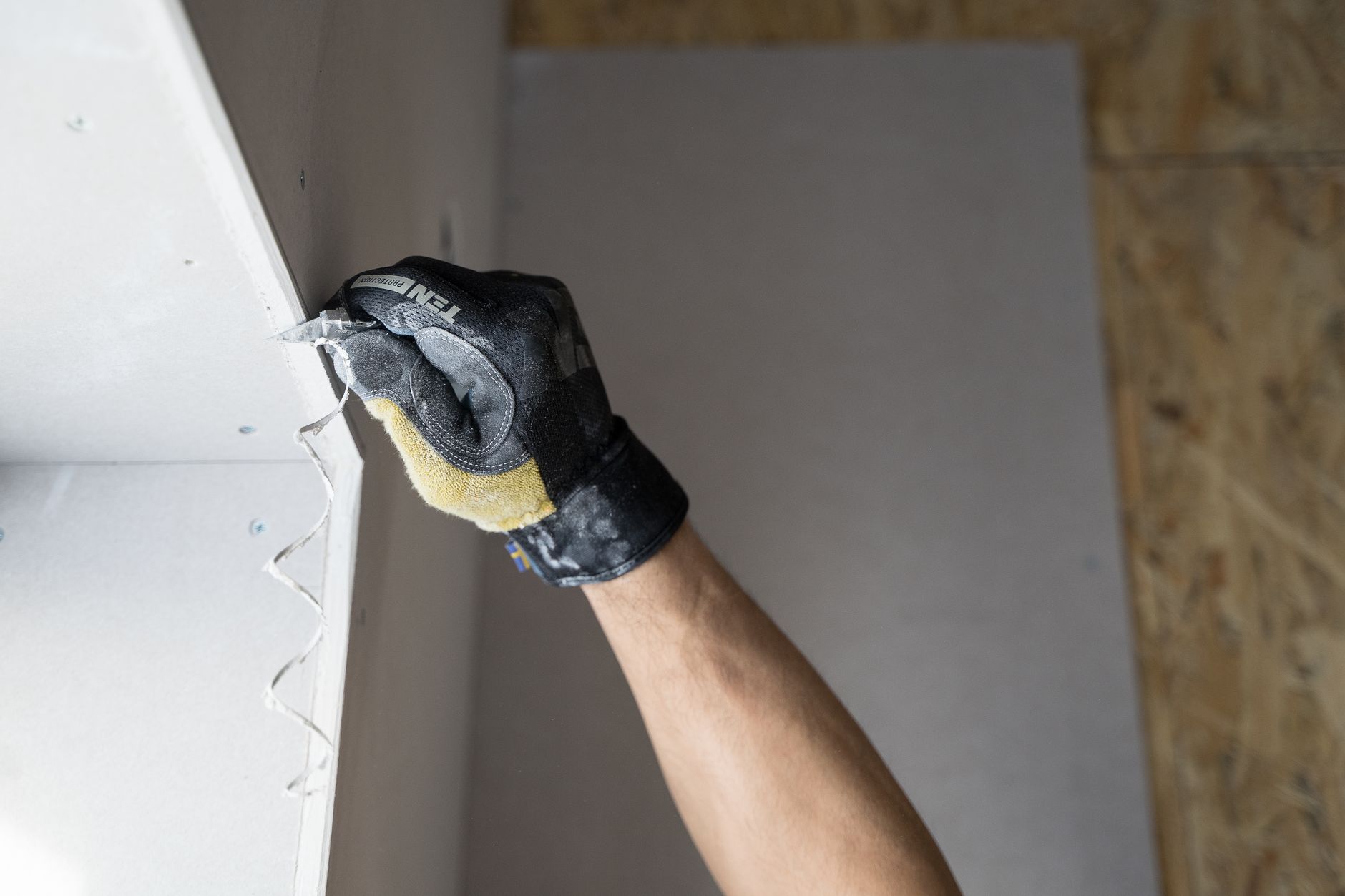
Once the area is dry, inspect for any visible mold. For small areas (less than 10 square feet), you may be able to handle the cleanup yourself using soap and water or a mixture of water and vinegar. However, for larger infestations, it’s best to call in a professional mold remediation service.
When removing mold, it’s important to seal off the area to prevent spores from spreading. Use plastic sheeting to contain the mold and minimize exposure. After removal, clean all surfaces thoroughly and consider applying an antimicrobial treatment to kill any remaining spores.

4. Repair and Restore
After the mold has been removed, focus on repairing any damage caused by the water. This could involve replacing drywall, repairing flooring, and other restoration tasks. Ensure that any repairs are done using mold-resistant materials to prevent future growth.
5. Prevent Future Mold Growth
Once your home is restored, take proactive steps to prevent mold from returning. This includes regular inspections for leaks, maintaining proper ventilation, and keeping humidity levels in check (ideally between 30-50%). Invest in air duct mold removal if necessary, as air ducts can harbor mold spores that circulate throughout your home.
Should you need assistance, don't hesitate to reach out to a professional. Companies like Broward Restoration Pros offer 24-hour water damage restoration services that can help you navigate the complexities of mold remediation.
When to Call a Professional
If you have a significant amount of mold or if it’s located in hard-to-reach areas, like behind walls or under flooring, it’s best to contact a professional restoration service. They have the tools and expertise to handle mold safely and effectively. Additionally, if you’re uncertain about your insurance coverage for mold remediation, consult with an expert to help you navigate your insurance claim.
Lastly, for ongoing education and resources, consider reading about effective reconstruction strategies after severe damage. Check out this insightful article on essential steps for effective reconstruction for further guidance.
Through careful assessment and swift action, you can mitigate the risks associated with mold after water damage. Remember, your health and safety come first, so don’t hesitate to seek professional help when needed.