The Hidden Dangers Of Mold Growth In Attics After Water Damage
Water damage can wreak havoc in your home, leaving behind not only structural issues but also a host of hidden dangers, especially in areas like attics. Many homeowners are unaware that the warm, dark environment of an attic is a prime breeding ground for mold growth following any water intrusion. Understanding these hidden dangers of mold growth is crucial for maintaining a safe living environment.
After experiencing a water leak, whether from a roof leak, burst pipe, or condensation issues, it's essential to act quickly to mitigate damage. Often, homeowners may overlook the attic, assuming that if they don’t see water pooling there, there’s no problem. However, mold can start to grow within 24-48 hours of water exposure, making it imperative to inspect these spaces thoroughly.
Why Attics Are Susceptible to Mold
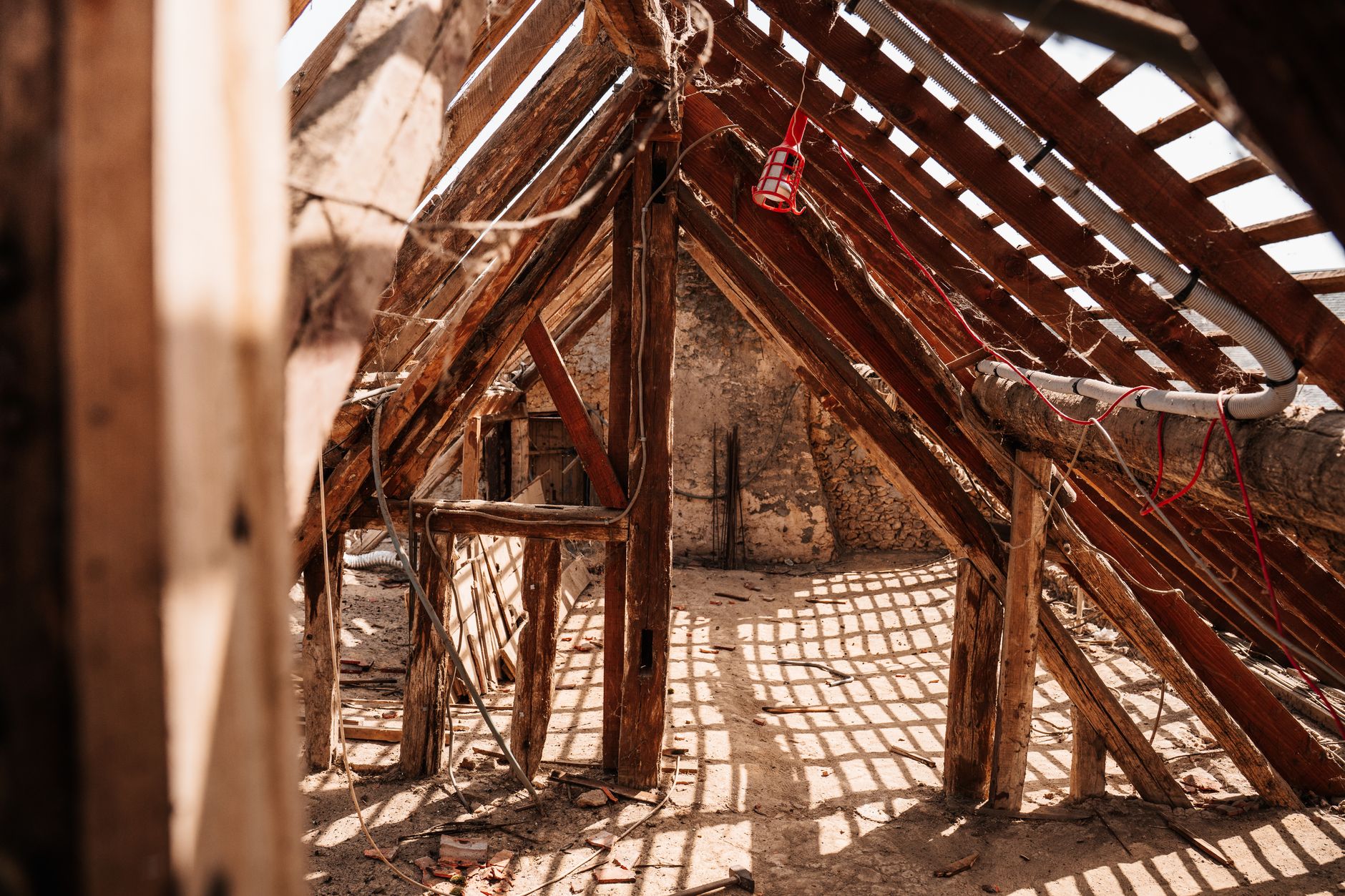
Attics are often poorly ventilated, which can trap moisture and create an ideal environment for mold spores to thrive. Factors contributing to mold growth in attics include:
- Inadequate insulation that allows warm air to escape, leading to condensation.
- Roof leaks that introduce water into the attic space.
- Humidity from bathrooms or kitchens that rises and accumulates in the attic.
When these conditions are present, mold can grow undetected, causing potential health problems for you and your family. Mold releases spores into the air, which can lead to respiratory issues, allergies, and other health concerns.
Signs of Mold Growth in Your Attic
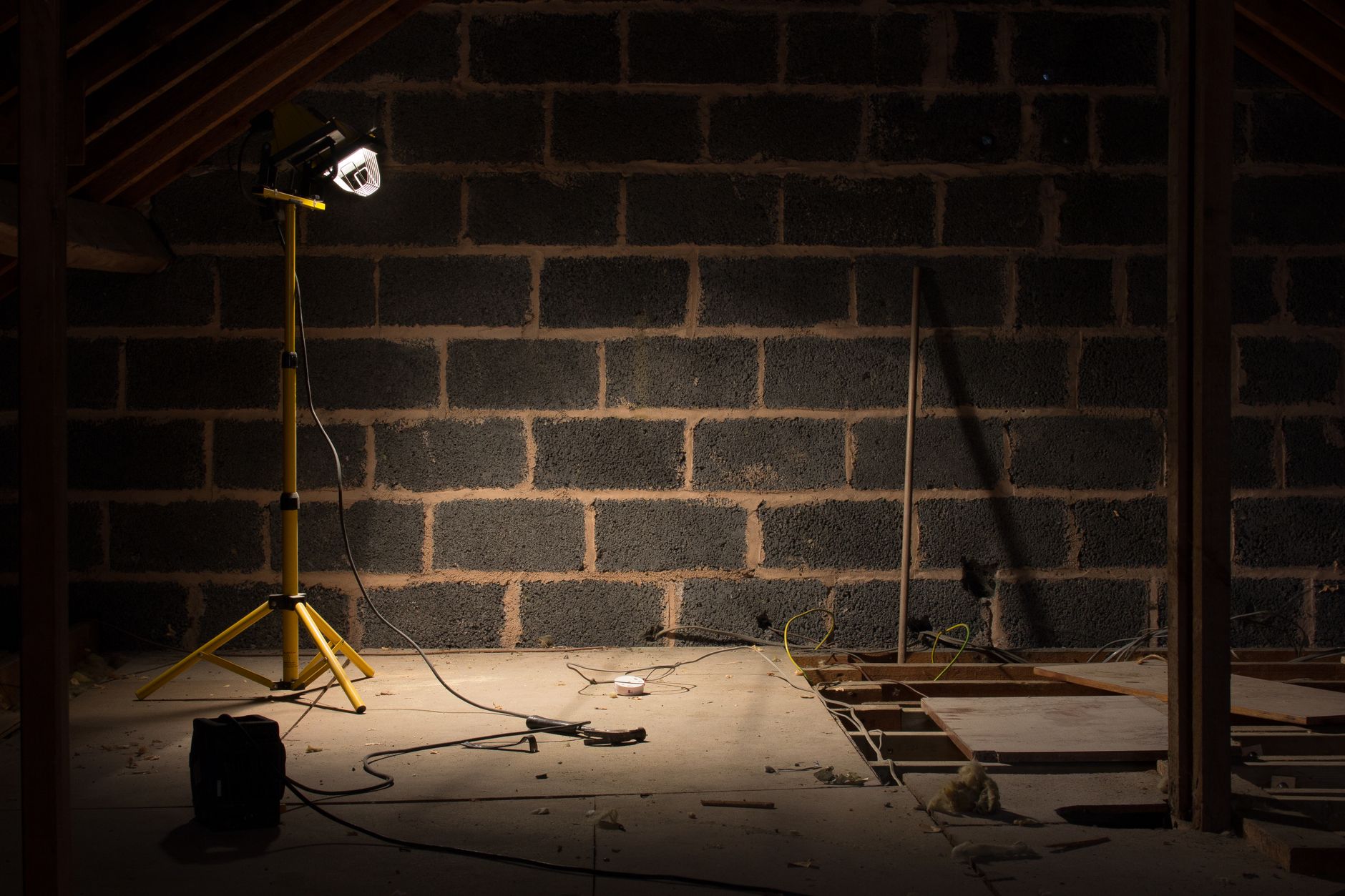
Recognizing the signs of mold growth early can save you from extensive damage and health risks. Look for:
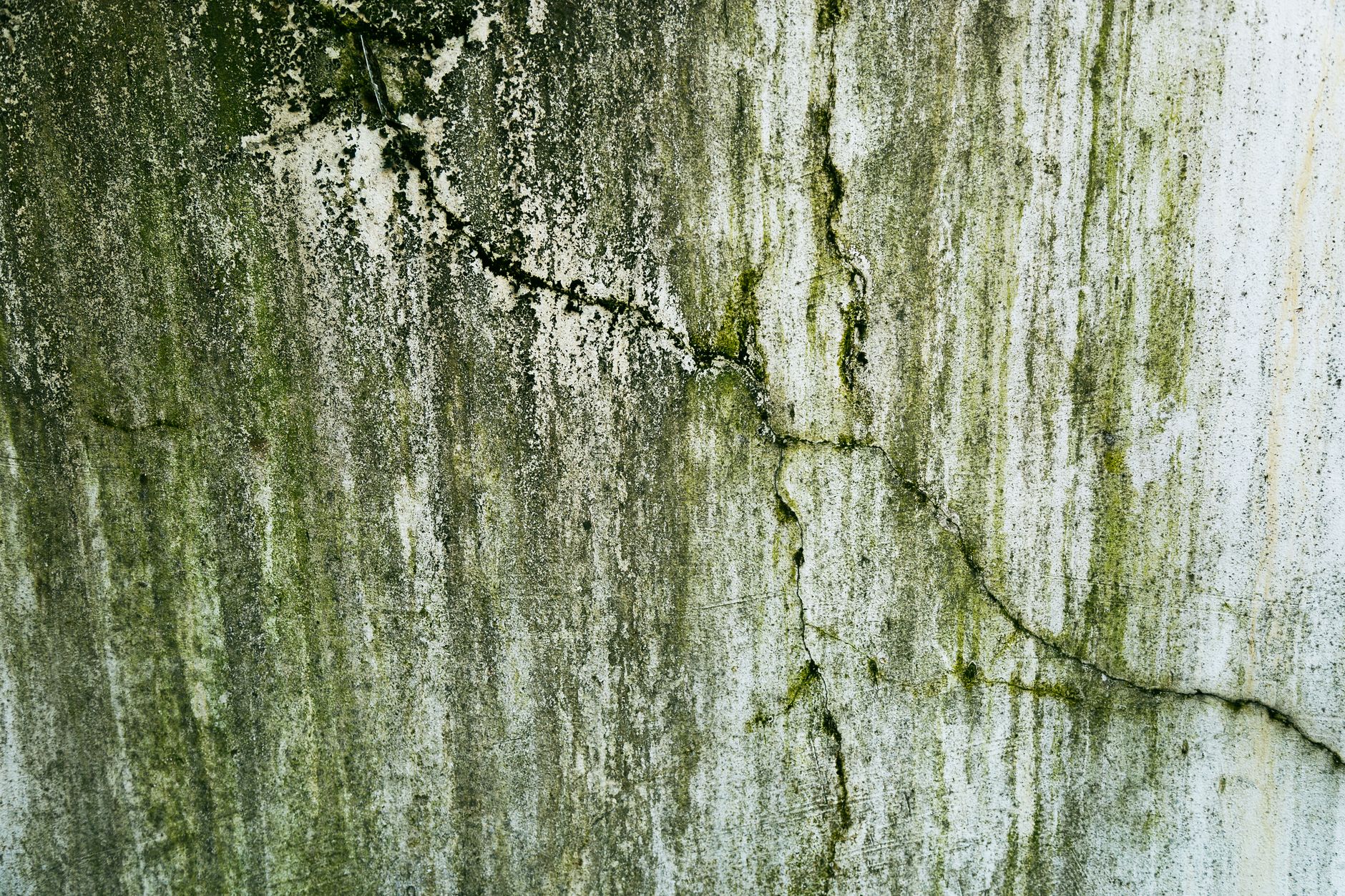
- Discoloration on walls or ceilings.
- A musty or earthy smell, often the first indication of mold.
- Visible mold patches or damp spots on insulation or wood.
If you notice any of these signs, it is essential to address them promptly. Ignoring mold can lead to significant structural damage to your home, as it can weaken wooden beams and other materials.
What To Do If You Find Mold
If you discover mold in your attic, do not attempt to handle it alone without proper knowledge and equipment. Mold remediation is vital, as disturbing mold can release more spores into the air and exacerbate the problem. This is where a professional mold remediation service, like our attic mold removal team, can help. They will assess the extent of the mold, safely remove it, and implement measures to prevent future growth.
Additionally, consider contacting a restoration expert if the mold is a result of recent water damage. They can help manage the insurance claims process and ensure that repairs are handled correctly. For more information on navigating insurance claims related to mold damage, check out our insurance claims help resource.
Preventing Future Mold Growth
Once the mold has been removed, taking proactive steps to prevent its return is essential. Here are a few tips:
- Ensure proper ventilation in the attic to reduce humidity levels.
- Insulate ducts properly to prevent condensation.
- Seal any leaks in the roof or plumbing to prevent water intrusion.
Regular inspections of your attic can also help catch any issues before they escalate. This can save you time, stress, and money in the long run.
If you’re facing challenges related to mold growth in your attic or need immediate assistance with water damage, don’t hesitate to reach out for help. The sooner you act, the lesser the impact on your home and health.
For expert restoration services, you can visit Broward Restoration Pros, who specialize in 24-hour water damage restoration. Additionally, for insights on mold growth, check out this informative blog post that explores the impact of water-related mold growth in homes.