Identifying Vulnerabilities: How Palm Beach Homes Are Affected By Storm Damage
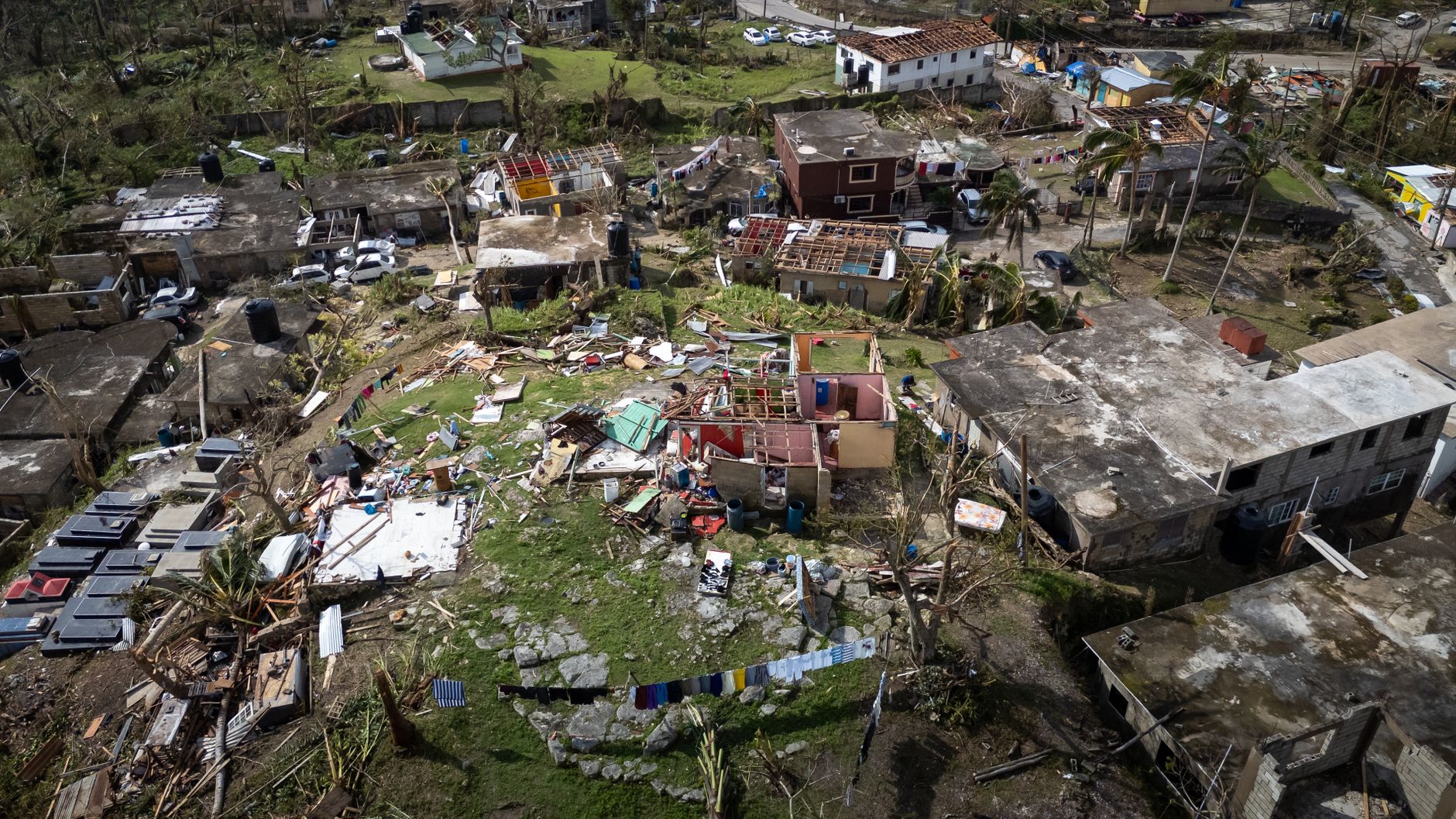
As residents of Palm Beach know all too well, the tropical climate can bring about sudden storms that leave enduring damage in their wake. Homeowners often find themselves wrestling with the aftermath, facing not just the immediate fear of flooding or wind damage, but also the long-term implications of storm-related vulnerabilities. Understanding how storm damage affects your home is crucial to protecting your investment and ensuring a safe living environment for you and your family.
Storms can lead to a myriad of problems, from roof leaks and siding damage to flooding that seeps through your basement or crawl space. The damage can be both visible and hidden, which is why a thorough inspection after a storm is essential. The emotional stress of dealing with property damage can be overwhelming, but recognizing the signs early can make a significant difference in the restoration process.
Common Types of Storm Damage in Palm Beach
In Palm Beach, the most common forms of storm damage include:
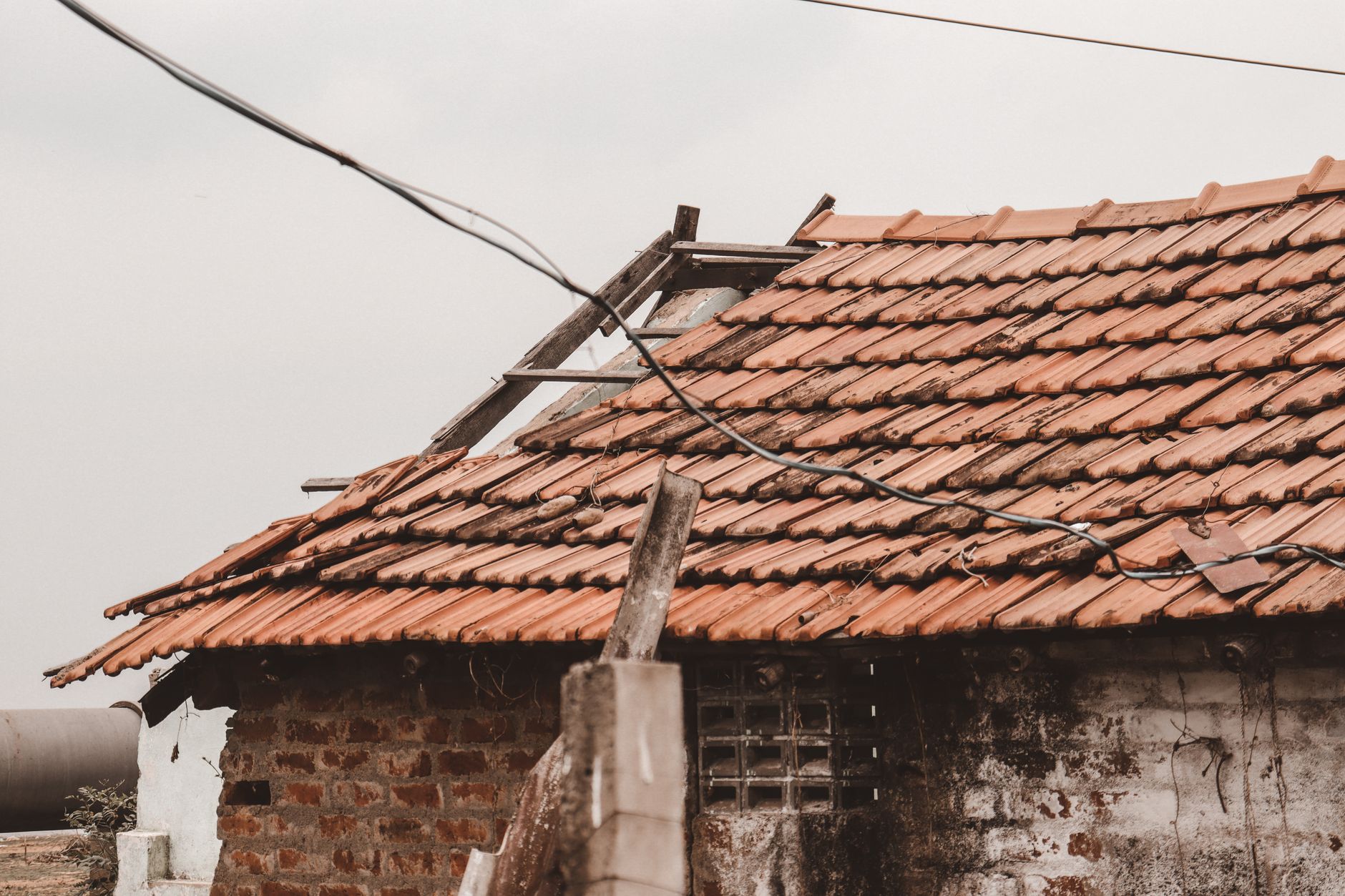
- Wind Damage: High winds can loosen shingles, break windows, and even uproot trees, causing serious structural issues.
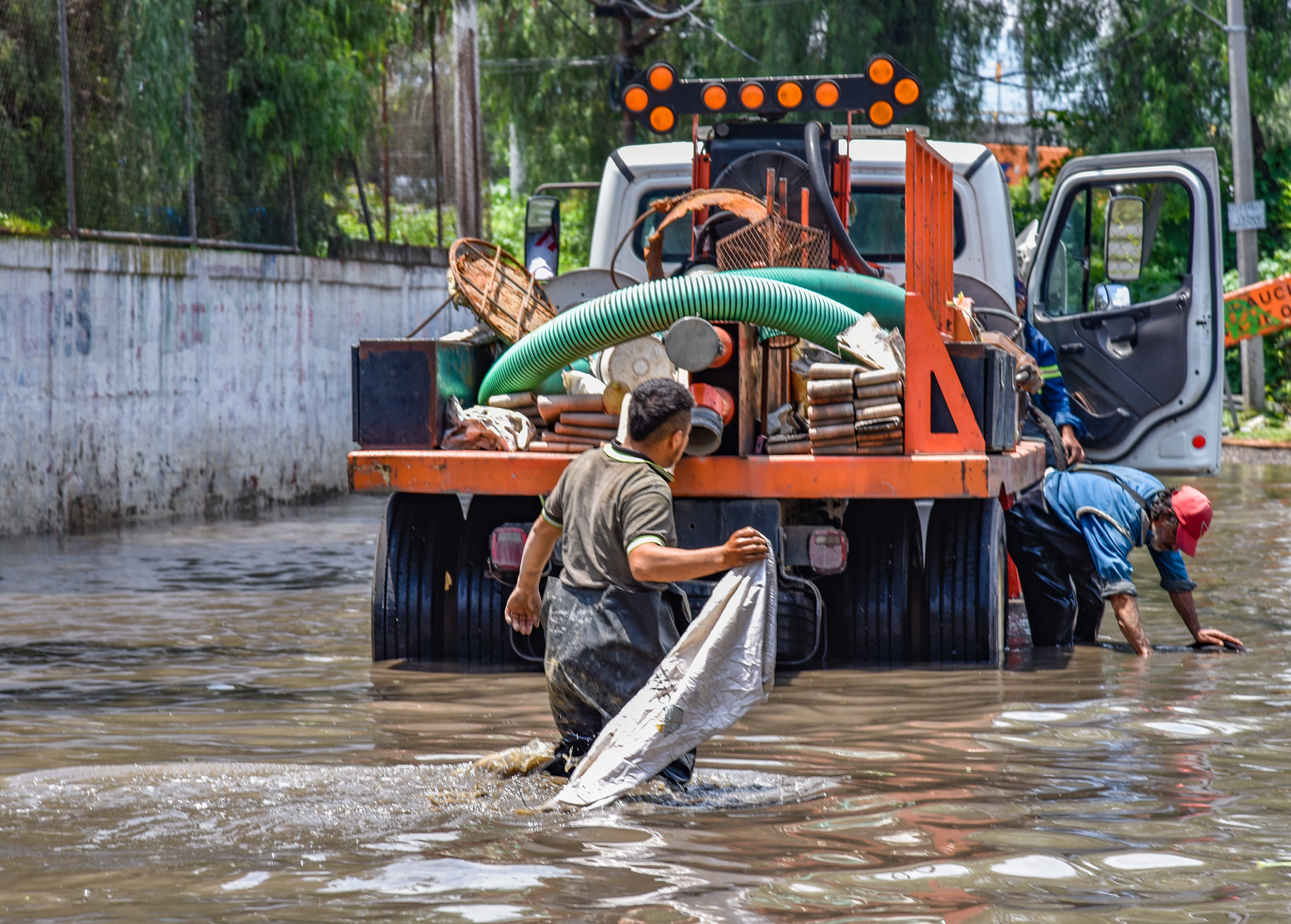
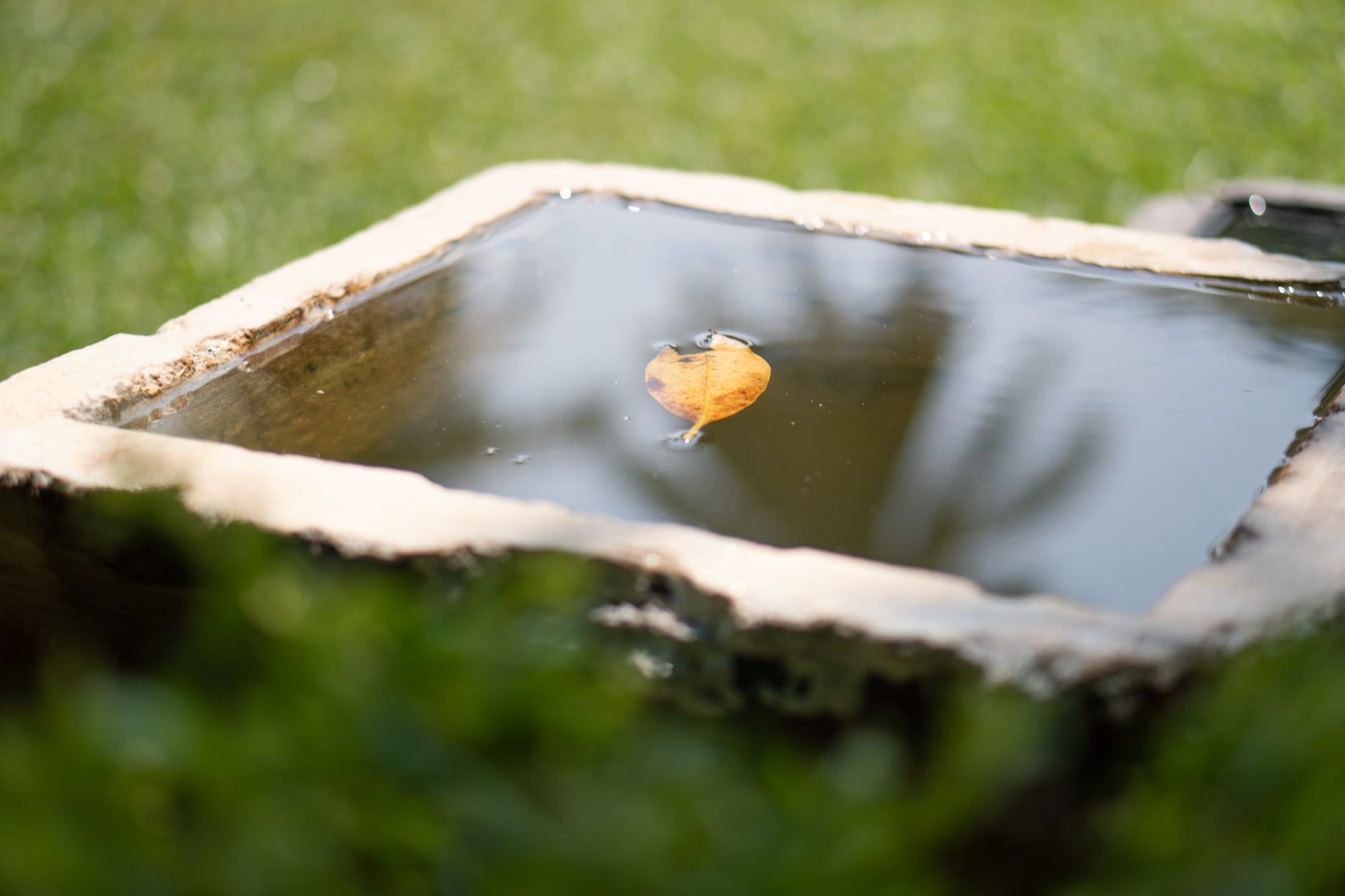
- Flooding: Heavy rains can overwhelm drainage systems, leading to water pooling in yards and flooding basements.
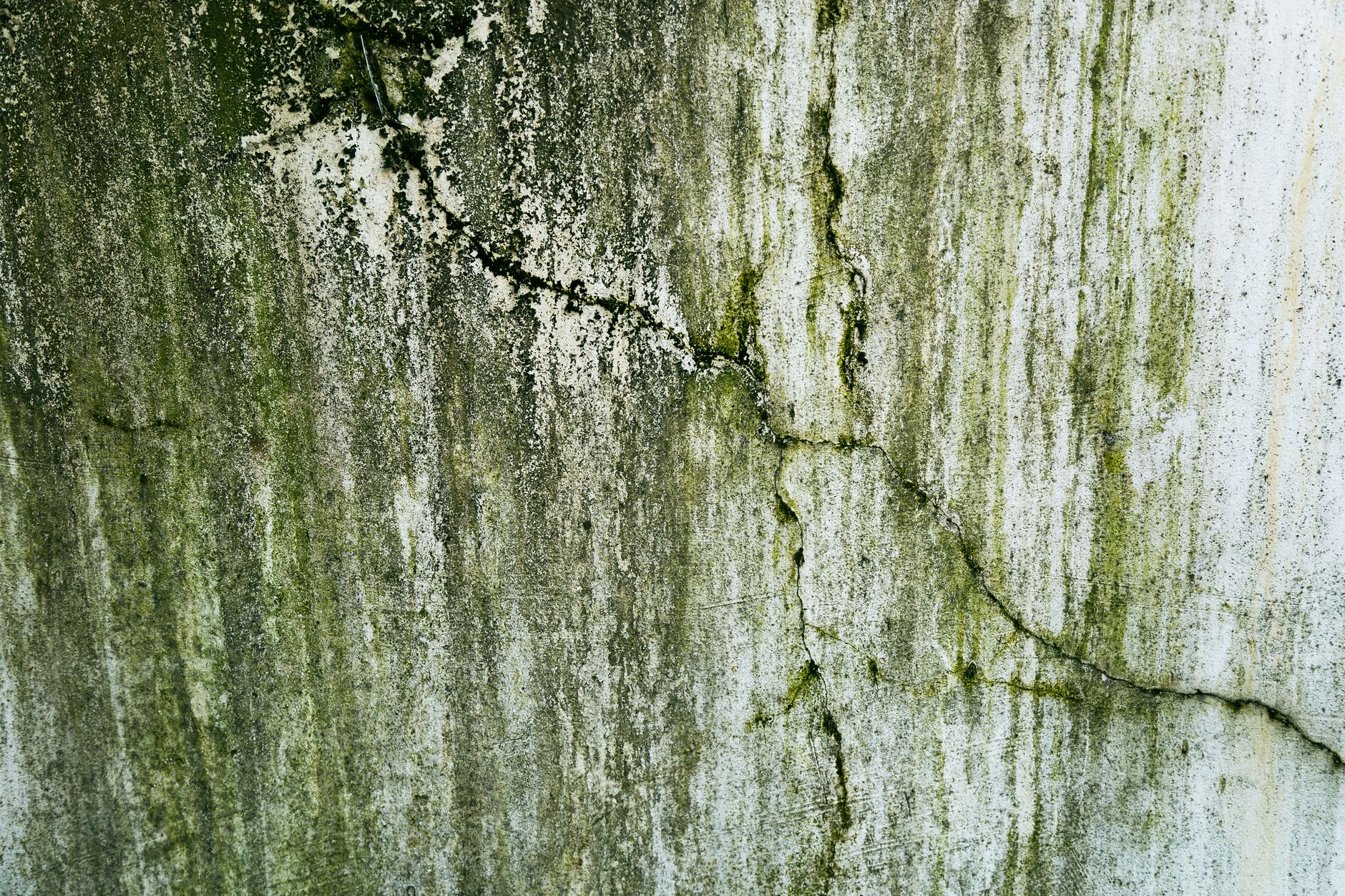
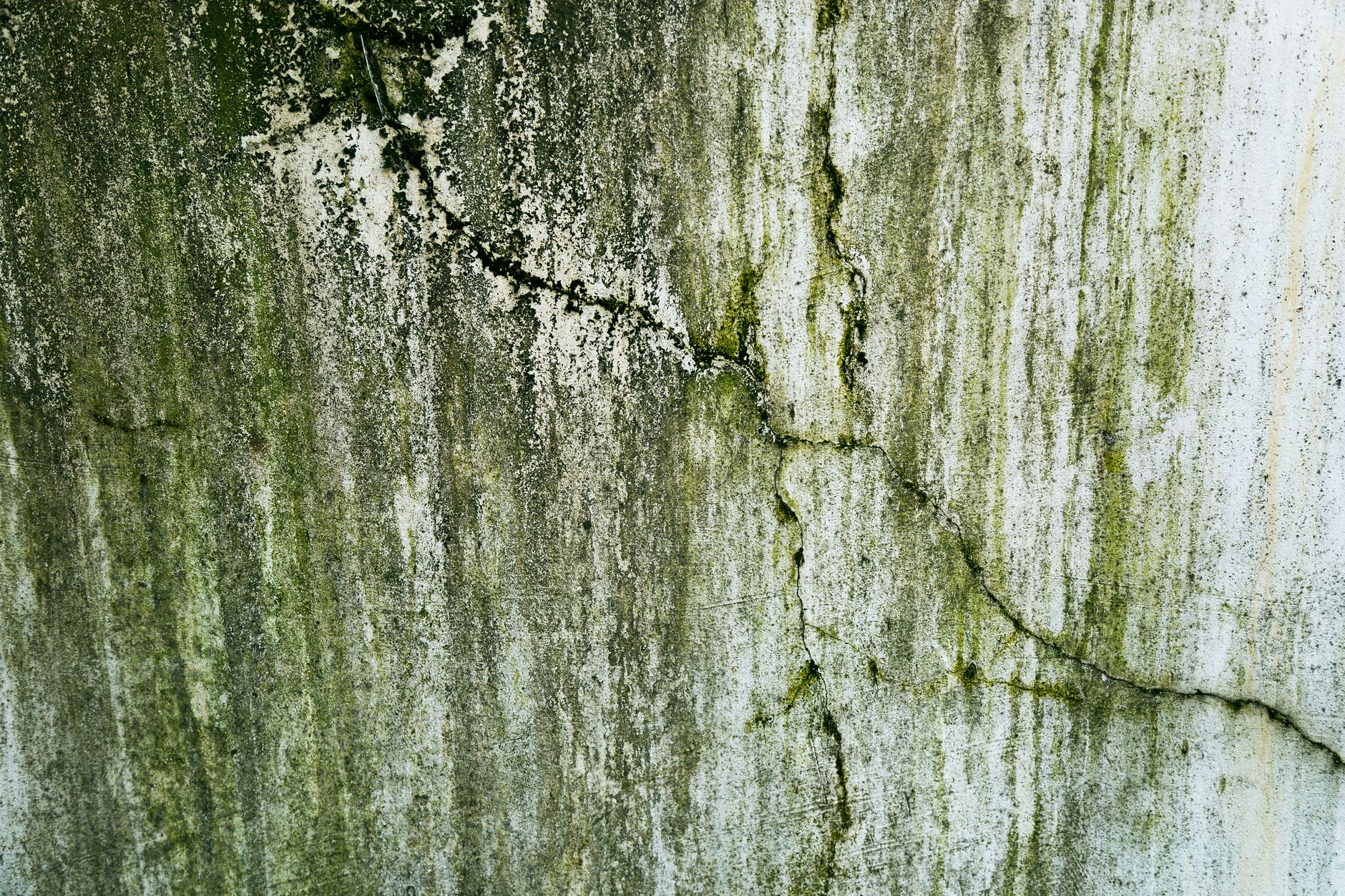
- Mold Growth: After flooding or prolonged moisture exposure, mold can develop within 24 to 48 hours, posing health risks.
Each of these damage types requires different approaches for assessment and repair. For instance, wind damage may necessitate immediate roof repairs, whereas flooding may require water extraction and thorough drying to prevent mold growth.
Assessing Your Home After a Storm
Once the storm has passed, it’s vital to conduct a comprehensive assessment of your property. Start by checking the exterior for visible damage. Look for broken or missing shingles, damaged siding, and any fallen branches or debris. Pay special attention to your gutters, as blockages can lead to water overflow and subsequent flooding.
Inside your home, inspect for any signs of water intrusion, such as damp walls, ceiling stains, or musty odors that could indicate mold growth. Areas like basements and crawl spaces are particularly vulnerable, so ensure these are included in your inspection.
If you notice any signs of damage, it’s time to call in a professional restoration service. They can provide a thorough assessment and help you with the mitigation process, ensuring your home is safe and secure.
When to Call a Restoration Professional
Determining when to call a restoration professional can be tricky, but there are a few clear indicators:
- If you discover standing water that you cannot safely remove.
- When you notice signs of mold or lingering moisture.
- If structural damage is apparent, such as sagging ceilings or walls.
Addressing these issues quickly can prevent more extensive damage and higher repair costs down the line. Professionals have the expertise and equipment necessary to handle storm damage effectively, minimizing the disruption to your life.
Insurance Considerations
Many homeowners are concerned about how storm damage will affect their insurance. It’s essential to review your policy to understand what is covered. Most homeowners insurance policies cover damage from wind and hail, but flood damage may require separate coverage. After a storm, document all damage thoroughly; this will be invaluable for your claims process.
For those navigating insurance claims, consider seeking guidance on the process. This can help ensure you receive the coverage you deserve for repairs.
Proactive Measures for Future Storms
As we look toward the future, consider taking proactive steps to safeguard your home against storm damage. Regular maintenance can go a long way in fortifying your property. Here are a few suggestions:
- Ensure your roof is in good condition, replacing any missing or damaged shingles.
- Clear gutters and downspouts regularly to avoid blockages during heavy rains.
- Consider installing storm shutters for added protection against high winds.
By investing in your home’s integrity now, you can mitigate potential storm damage and enjoy peace of mind during storm season.
Conclusion
Storm damage can significantly impact Palm Beach homes, but with awareness and proactive measures, homeowners can protect their properties. After a storm, a thorough assessment and timely action are essential to prevent further damage and ensure recovery. If you’re facing storm-related issues, don’t hesitate to reach out for professional help. For more information on how to prepare your home for the next storm, you can check out the insightful article How To Assess Your Home For Water Damage Before The Storm Hits. Additionally, if you need immediate assistance, consider contacting Broward Restoration Pros for their 24-hour water damage restoration services.