The Long-Term Effects Of Mold Infestations In Coastal Homes
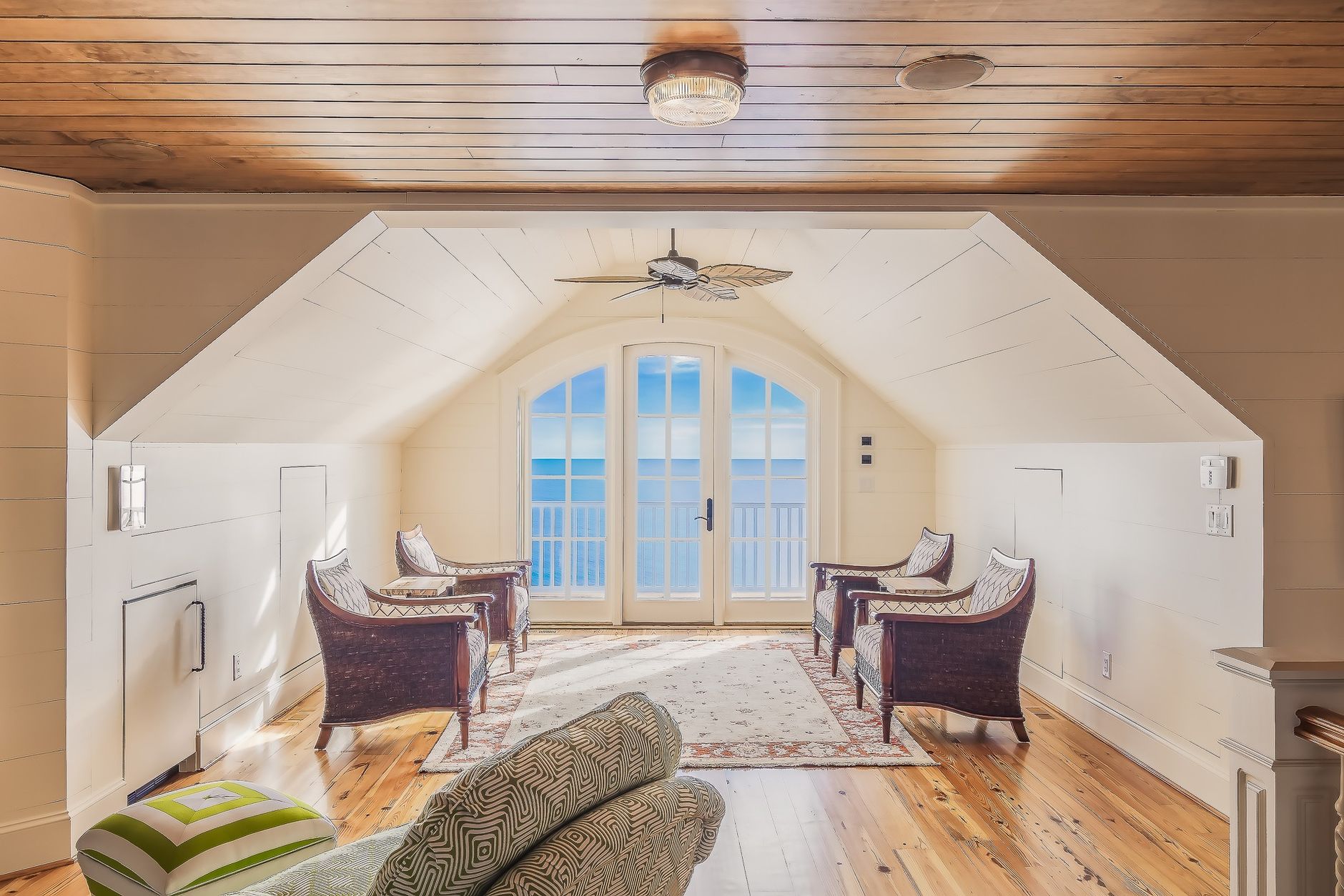
Living in a coastal home often means beautiful ocean views, but it can also come with hidden challenges, particularly when it comes to mold infestations. The warm, humid climate that characterizes coastal areas provides an ideal environment for mold to thrive. As a homeowner, understanding the long-term effects of mold infestations is crucial, not only for your property but also for your health and peace of mind.
Mold spores are everywhere in our environment; they are a natural part of life. However, when they find a suitable environment—like the damp corners of a coastal home—they can begin to multiply rapidly. This proliferation can lead to significant structural and health-related issues, which often go unnoticed until they become serious problems.
Understanding Mold Growth
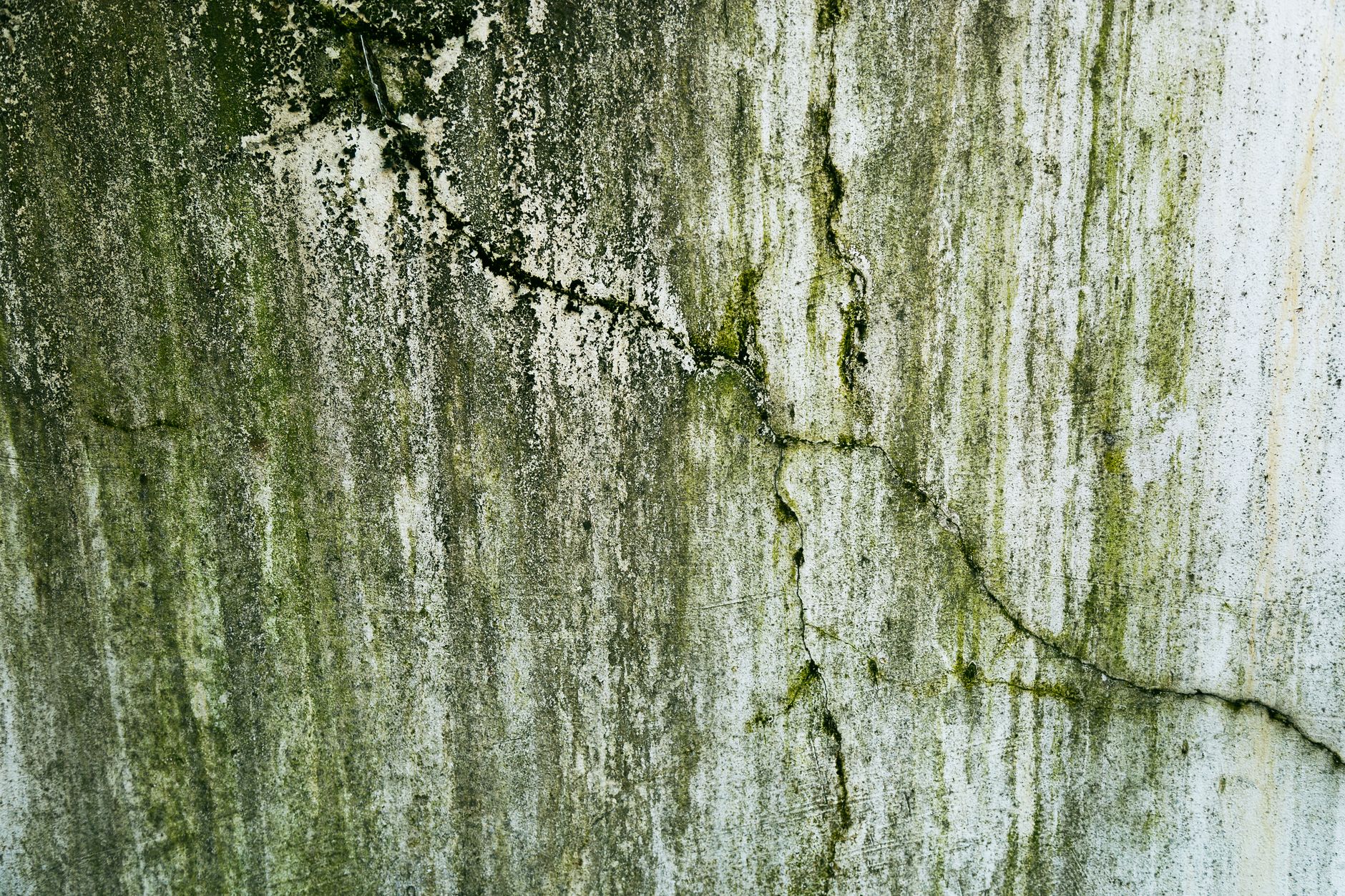
Mold can grow on various surfaces, including wood, drywall, and even carpets. In coastal homes, mold often appears in areas with high moisture levels, such as bathrooms, kitchens, and basements. Once mold starts to grow, it can often be challenging to remove completely. The following are some long-term effects you may encounter:
- Structural Damage: If mold is left untreated, it can weaken the structure of your home. Mold feeds on organic materials, which can lead to rotting wood and compromised walls. Over time, this can result in expensive repairs and renovations.
- Health Issues: Mold can cause a variety of health problems, particularly respiratory issues. Individuals with asthma or allergies may experience worsened symptoms, while those with weakened immune systems can face severe health risks.
- Decreased Property Value: Homes with mold issues can lose significant value on the market. Potential buyers are often deterred by the thought of dealing with mold remediation, which can further complicate sales.
- Odor Problems: Mold often emits a musty odor, which can permeate your home and be difficult to eliminate even with cleaning. This persistent odor can make your home feel unwelcoming.
When to Call a Professional
If you suspect mold growth in your coastal home, it's essential to act quickly. Here are some warning signs that indicate you should contact a professional for mold remediation:
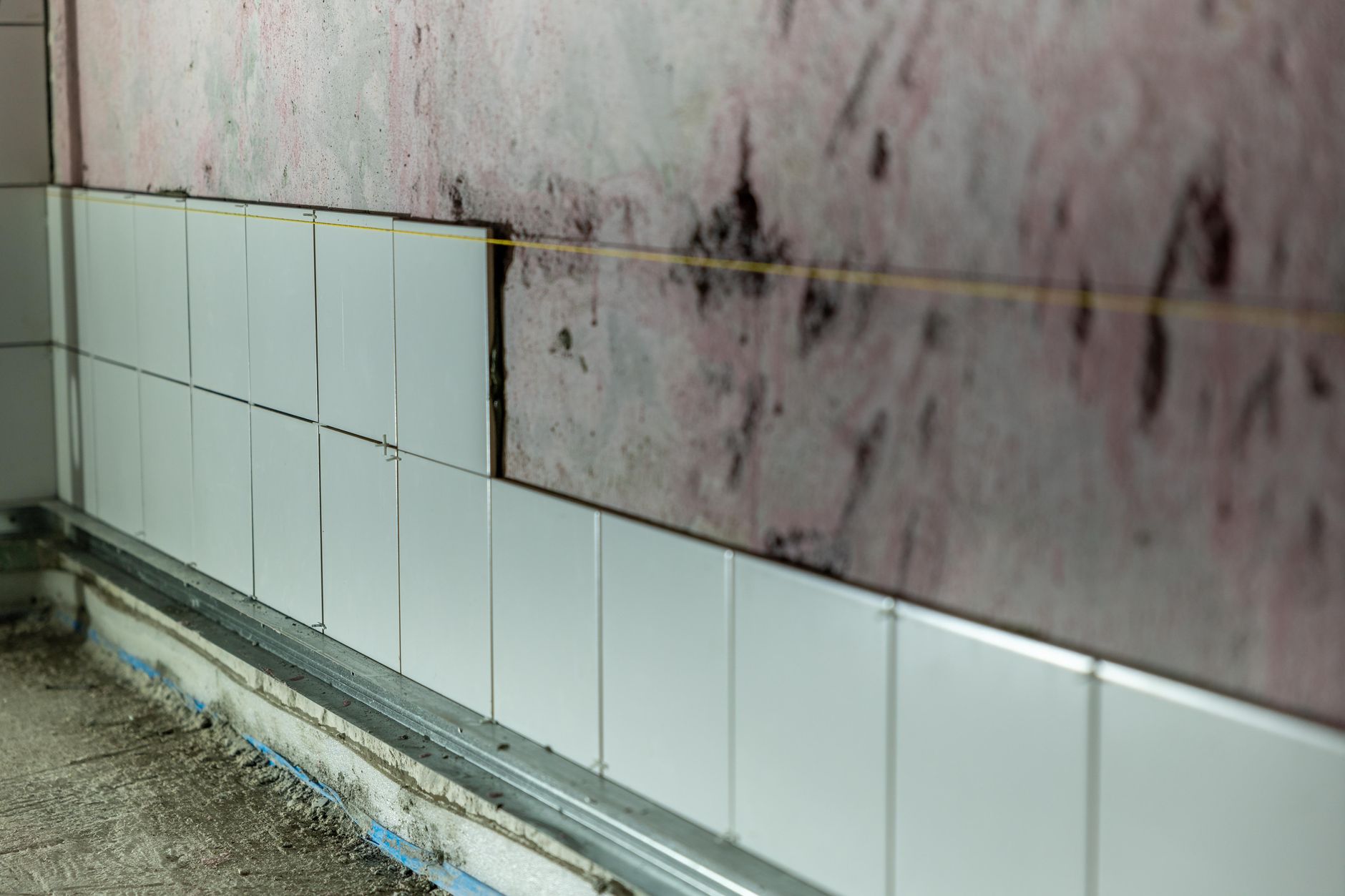
- Visible mold growth on walls, ceilings, or floors.
- A musty or earthy odor that lingers in your home.
- Water damage or leaks that are evident.
- Increased allergy symptoms among family members.
It's crucial to address mold infestations promptly. Not only does it help mitigate the immediate effects, but it can also save you from extensive damage and health problems down the line. Consider reaching out to a local restoration company that specializes in mold remediation; they can help you assess the situation and provide effective solutions.
Preventing Future Mold Infestations
Once you've dealt with a mold problem, taking steps to prevent it from returning is vital. Here are a few preventive measures:
- Maintain proper ventilation in your home, especially in areas prone to moisture.
- Use dehumidifiers to control humidity levels.
- Regularly check for leaks in plumbing and roofing.
- Ensure proper drainage around your home to prevent water accumulation.
By being proactive, you can help ensure that your coastal home remains a safe and healthy environment for you and your family.
Seek Comprehensive Help
In the aftermath of a mold infestation, comprehensive remediation is essential. Not only do you want to remove the mold, but you also need to address the underlying moisture issues that allowed it to thrive in the first place. Professional mold removal services can help in this regard, providing thorough assessments and effective treatments that will give you peace of mind.
Additionally, if you're looking to understand more about the long-term effects of other types of damage, check out this insightful article on fire damage on properties in Broward County. It provides a comprehensive look at how various forms of damage can impact your home's longevity and value.
Lastly, if you're facing a mold issue, don’t hesitate to contact a local expert. The earlier you start addressing mold, the better your chances of avoiding long-term problems.