How To Effectively Manage Mold Risks After Severe Storms In Palm Beach County
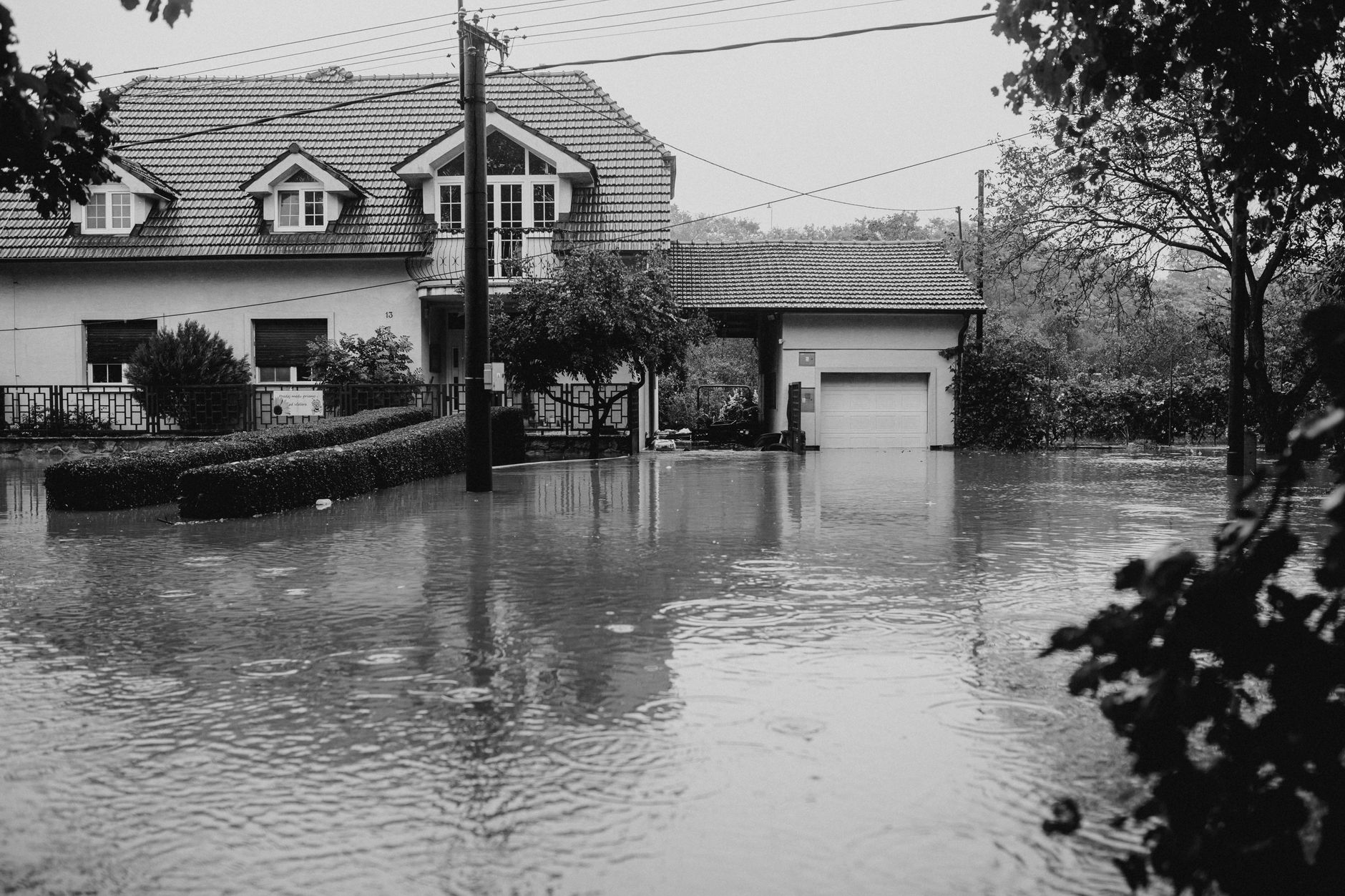
Severe storms can wreak havoc on homes, causing extensive damage and creating the perfect environment for mold growth. As a homeowner in Palm Beach County, understanding how to manage mold risks after such weather events is crucial for your property’s health and safety. Mold can develop quickly, often within 24 to 48 hours after moisture intrusion, so taking swift action is essential.
After a storm, the first step is to assess the damage. Start with the areas most prone to moisture accumulation, such as basements, attics, and bathrooms. Check for any signs of flooding or water leaks, and inspect walls, ceilings, and floors for discoloration or warping. If you find any water intrusion, it’s vital to address it immediately to prevent mold from taking hold.

Understanding Mold Risks
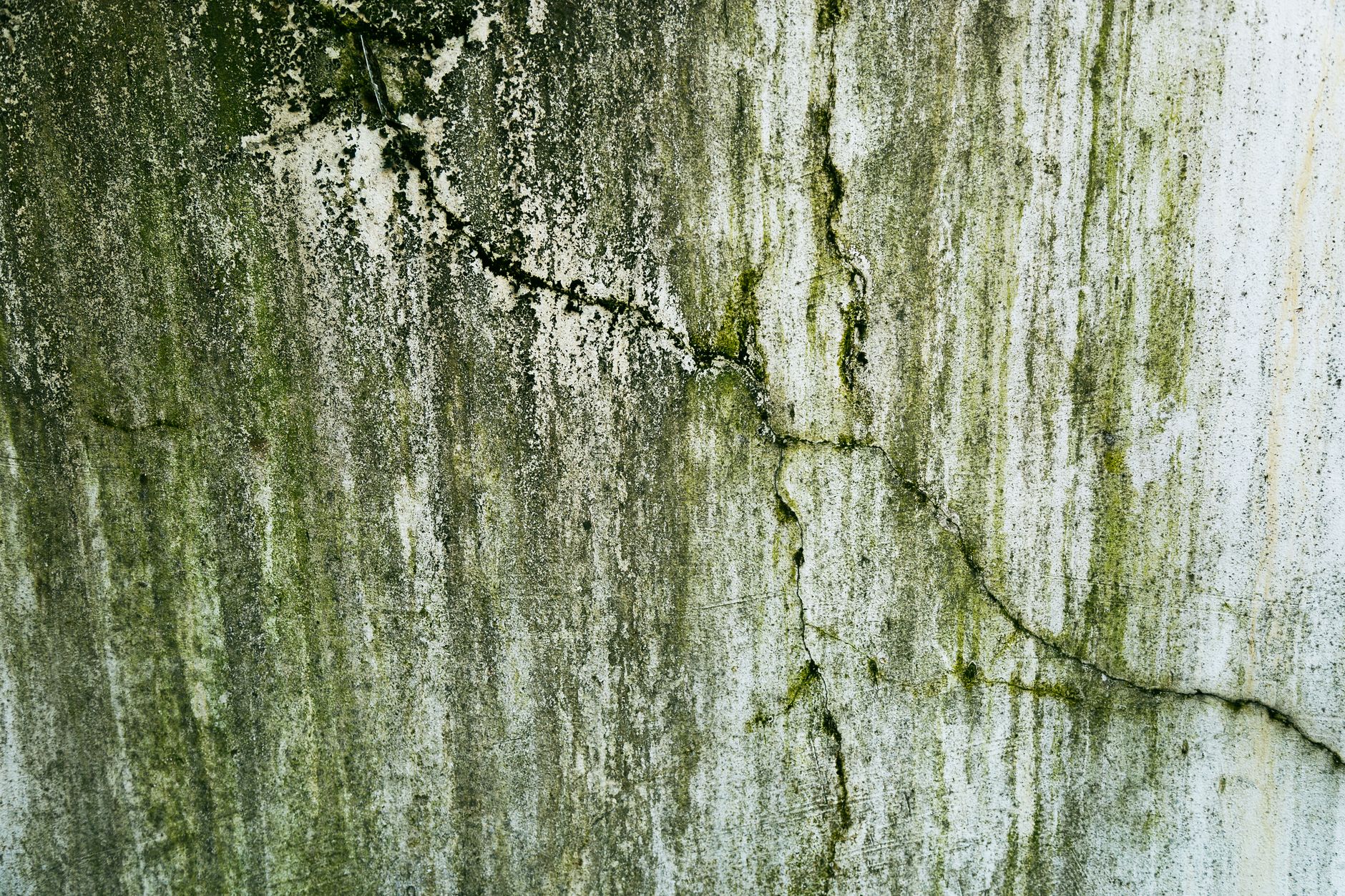
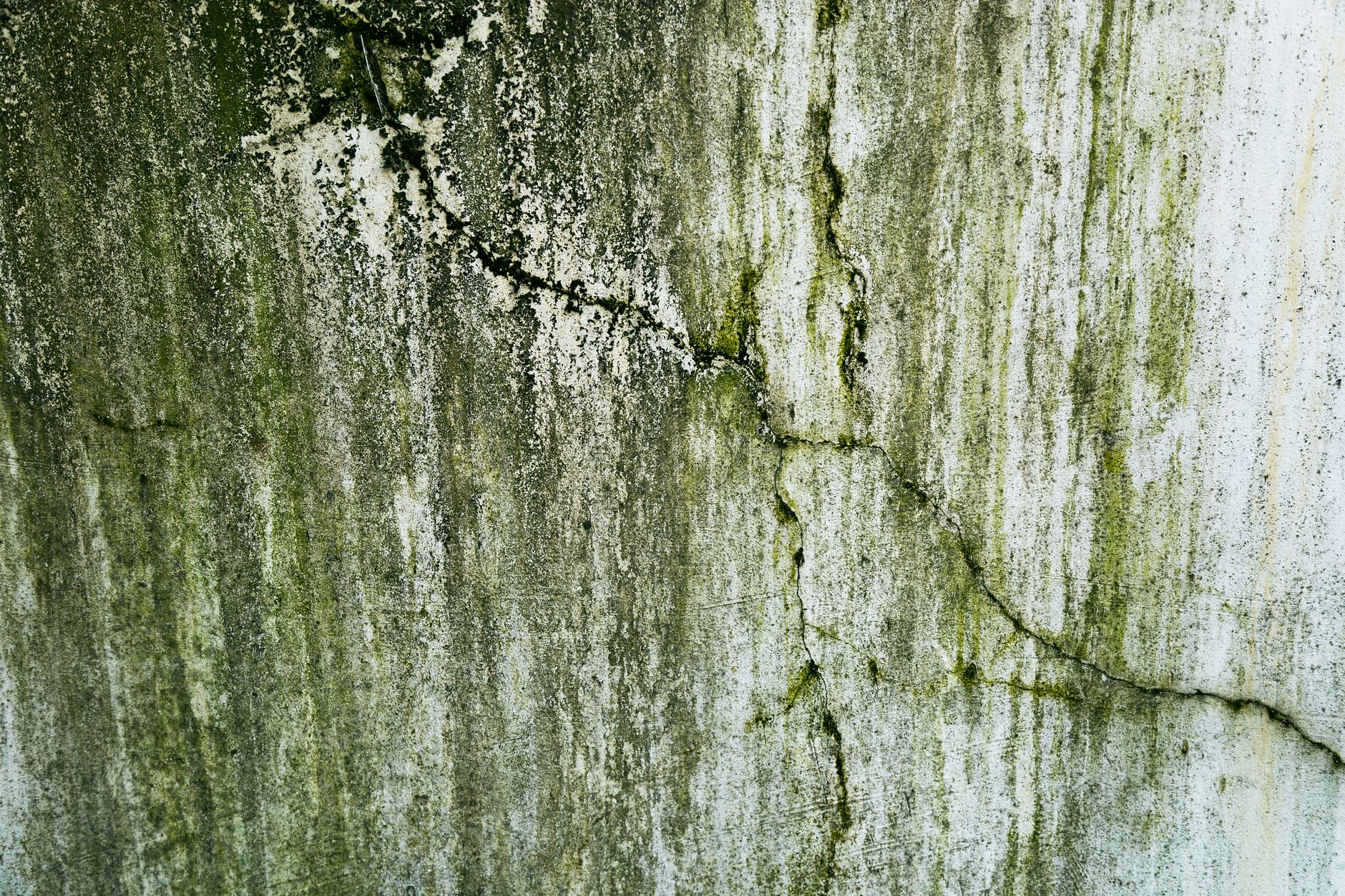
Mold thrives in damp, warm environments, making storm-damaged areas particularly vulnerable. Common types of mold found in homes include black mold, which can pose serious health risks, and other varieties that may not be harmful but can still cause structural damage. If you notice a musty odor or see visible mold growth, it’s important to act quickly.
Steps to Manage Mold Risks
- Remove Moisture: Begin by drying out any wet areas. Use fans and dehumidifiers to help speed up the drying process.
- Clean Affected Surfaces: For minor mold issues, a solution of water and detergent can be used to scrub surfaces. Always wear protective gear, such as gloves and masks, when handling mold.
- Consider Professional Help: For extensive mold growth, it’s advisable to contact a professional restoration service. Experts can assess the situation, safely remove mold, and prevent further growth.
- Monitor Indoor Humidity: Keeping indoor humidity levels below 60% can help inhibit mold growth. Using air conditioning and proper ventilation can aid in regulating moisture levels.
After addressing immediate concerns, it’s also wise to inspect your home for any potential weaknesses that could allow water intrusion in the future. This includes checking roofing, siding, and drainage systems to ensure they’re functioning properly.
When To Call a Professional
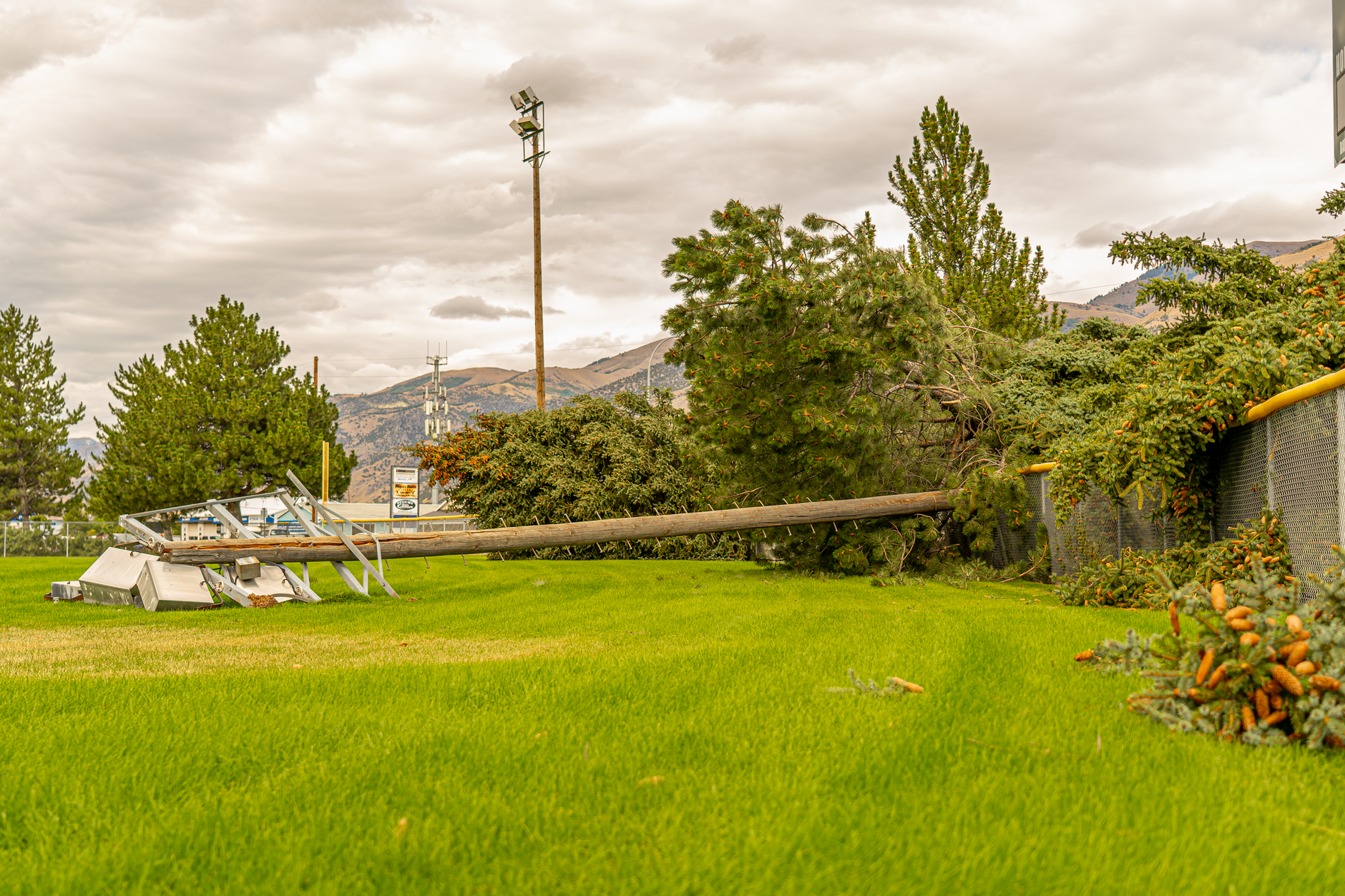
If you encounter significant water damage or extensive mold growth, it’s best to call in a professional restoration service. They have the tools and expertise to handle serious cases, including water damage restoration and black mold removal. Additionally, professionals can assist with insurance claims, helping you navigate the often complex process of coverage for storm-related damage.
One local company that specializes in storm recovery and mold remediation is Broward Restoration Pros. They provide comprehensive services to ensure your home is safe and sound after severe weather events.

Preventing Future Mold Growth
Once you’ve managed the immediate mold risks, take proactive steps to prevent future issues. Regular maintenance of your home’s plumbing and drainage systems can help mitigate water-related problems. Also, consider investing in antimicrobial treatments for areas prone to moisture.
Lastly, stay informed about weather forecasts and prepare your home in advance for any severe storms. For more tips on safeguarding your home against severe weather, check out this useful article: How To Effectively Prepare Your Broward Home For Severe Weather Events.
By taking these actions, you can significantly reduce the risks associated with mold after severe storms, ensuring a safer and healthier home for you and your family.