How Palm Beach Homeowners Can Protect Against Mold Growth After Flooding
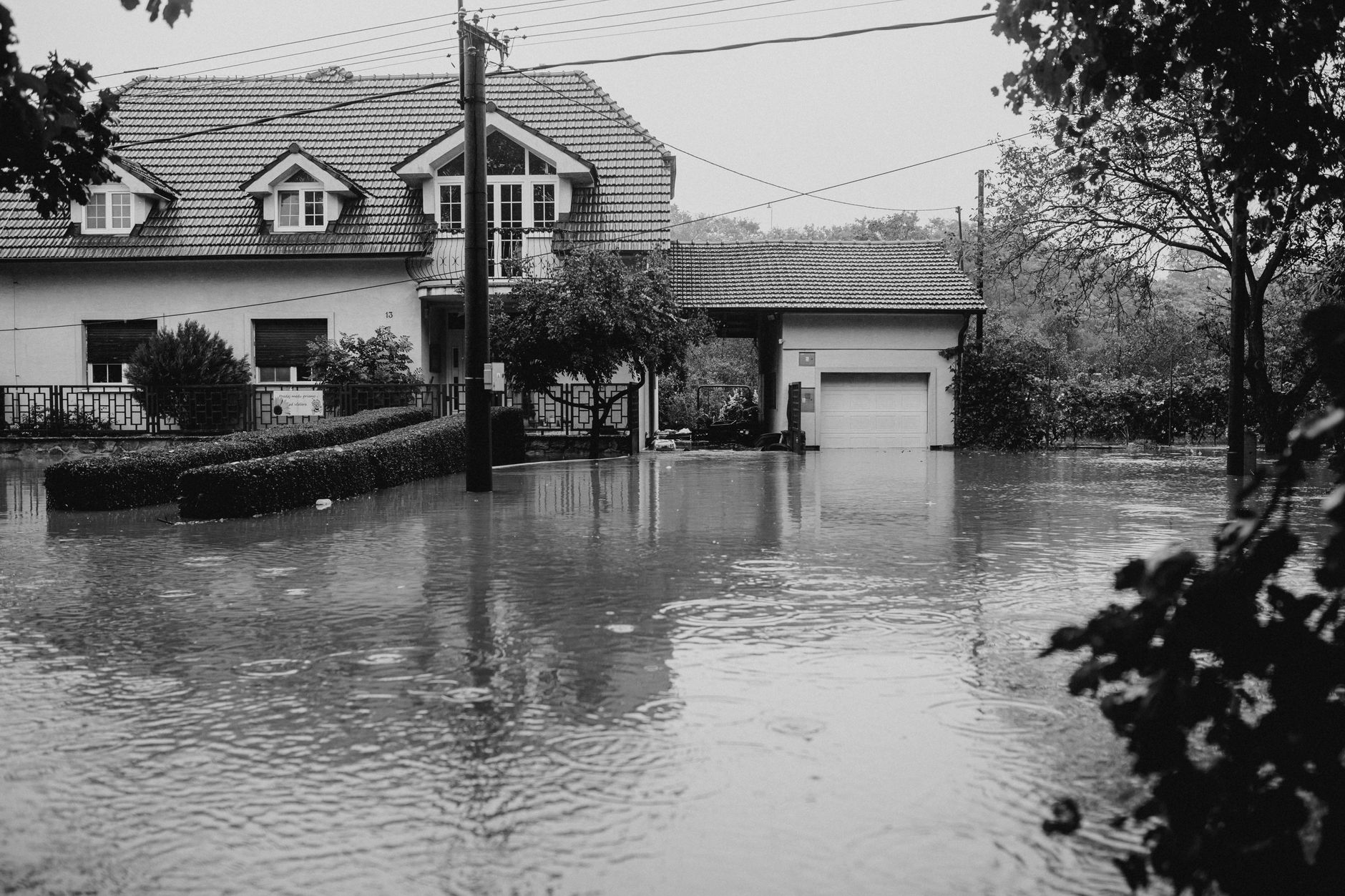
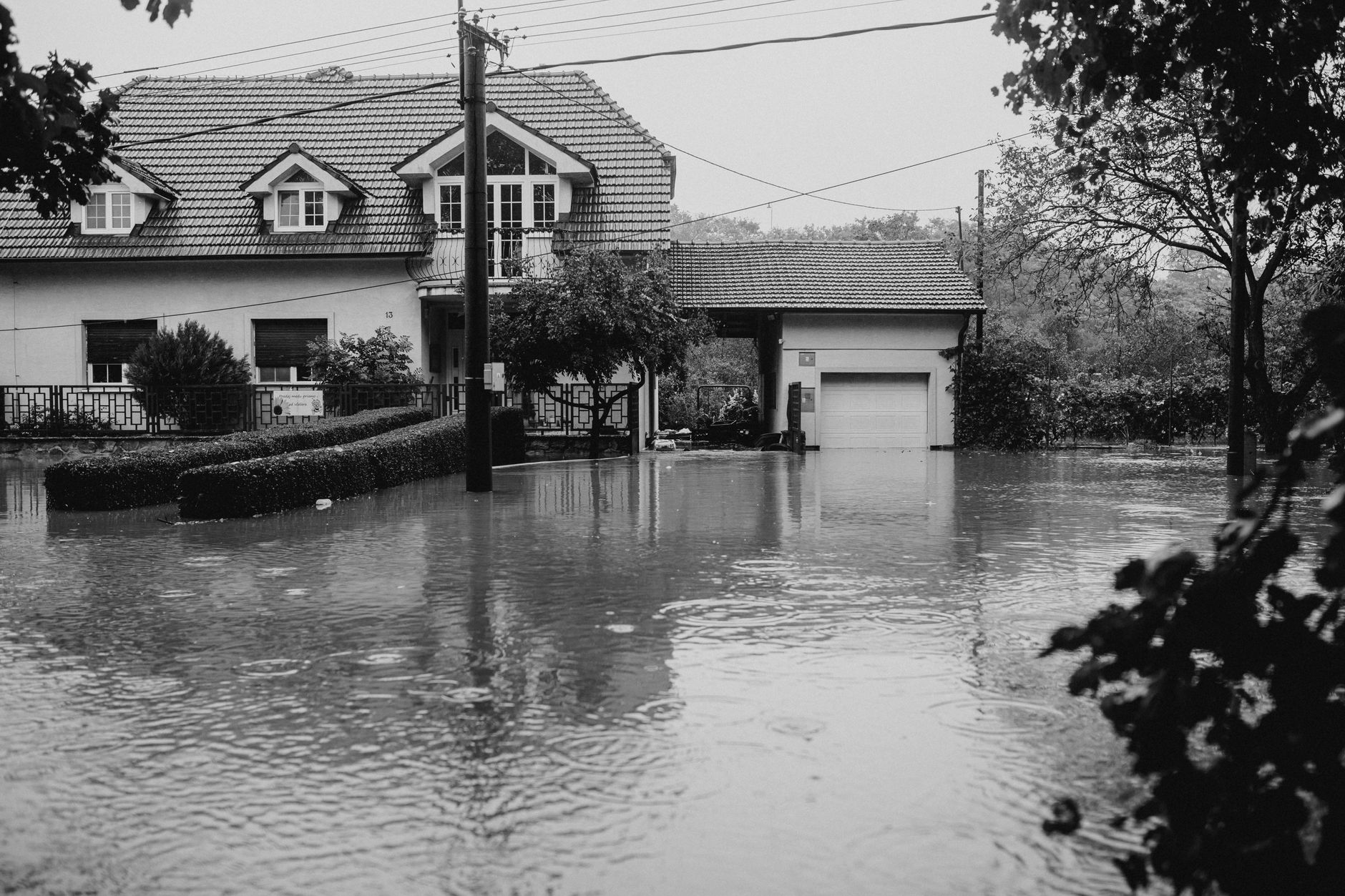
In the aftermath of a flooding event, the lingering moisture can create a perfect breeding ground for mold, which poses significant health risks and can damage your property. As a homeowner in Palm Beach, understanding how to combat mold growth after flooding is essential to protect both your home and your well-being.
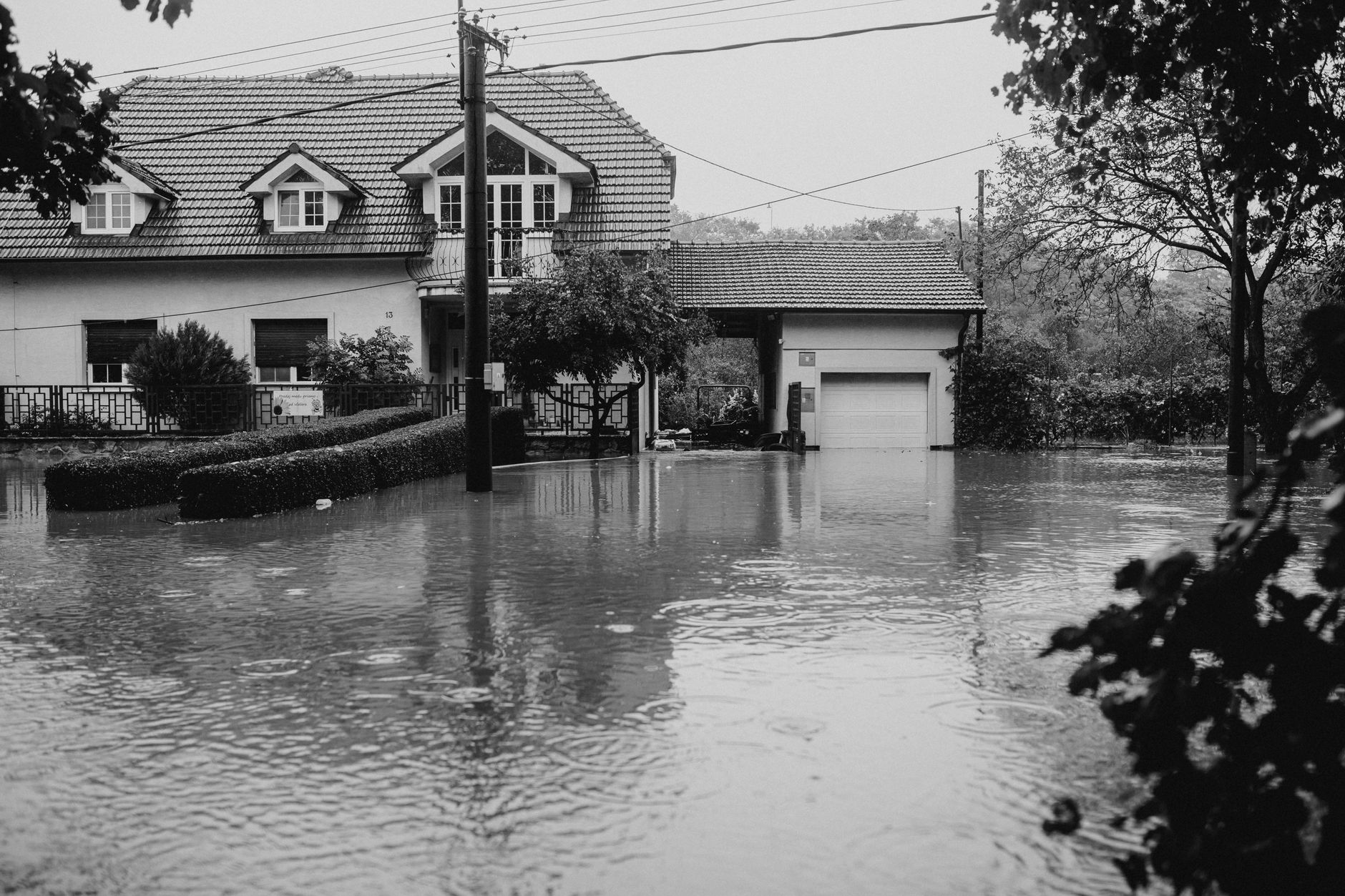
First and foremost, it’s crucial to act quickly. Mold can begin to grow within 24 to 48 hours after water exposure, so immediate action is necessary. Start by removing any standing water using pumps or wet vacuums. If you’re unsure how to handle this, don’t hesitate to contact a professional restoration service that specializes in water damage.
Assessing the Damage
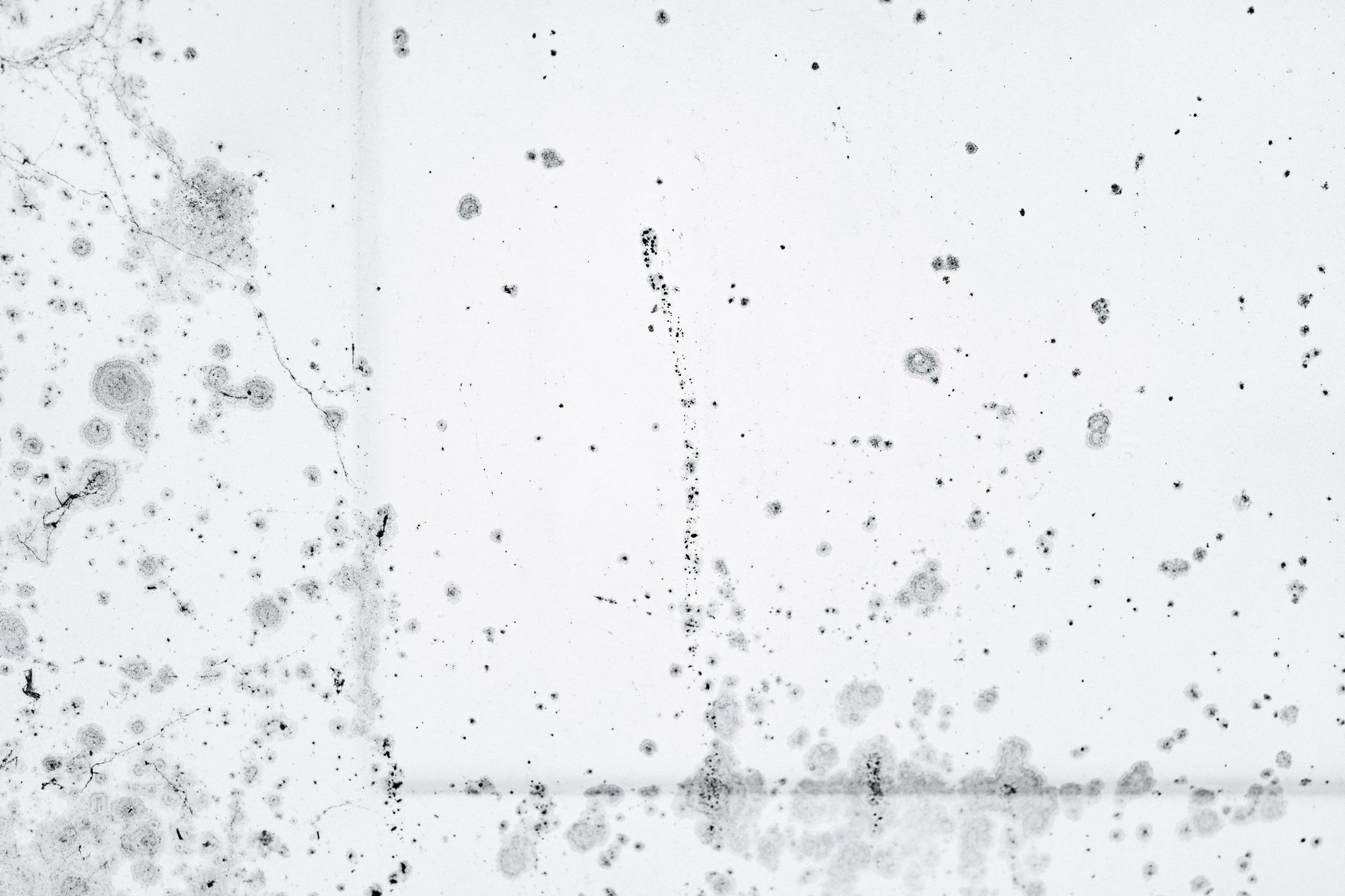
Once the water has been removed, assess the extent of the damage. Check all areas of your home that may have been affected, including:
- Basements and crawl spaces
- Walls and ceilings
- Carpets and flooring
- Furniture and belongings
Document the damage with photos for your insurance claim. This will be helpful when discussing coverage with your insurance provider, ensuring you have a solid record of the damage.
Drying Out Your Home
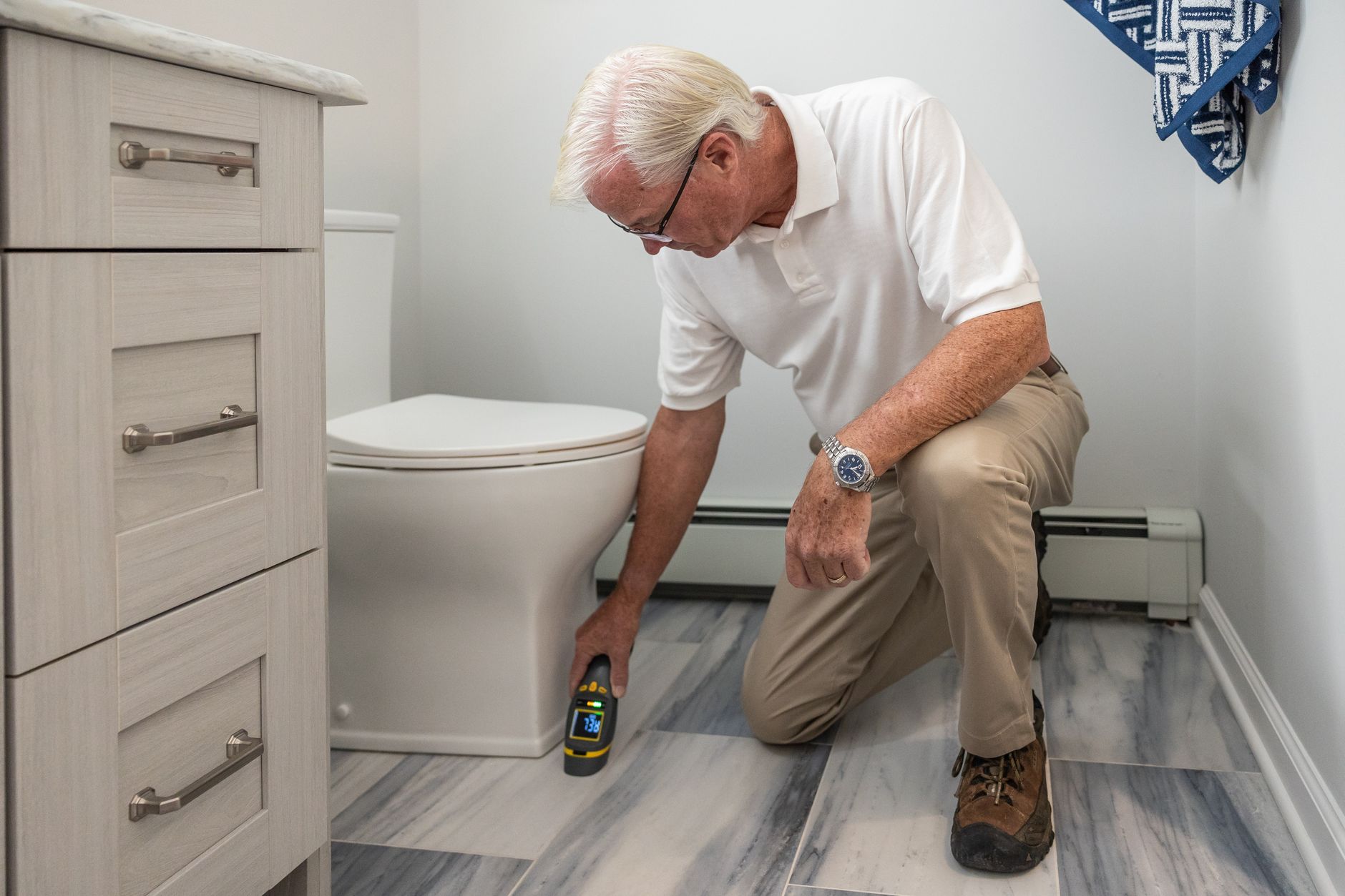
After the initial assessment, it’s imperative to dry out your home completely. Open windows and doors to increase air circulation, and use fans and dehumidifiers to help remove moisture from the air. Pay special attention to areas that are prone to retaining moisture, such as bathrooms and kitchens.
While drying out your home, consider using antimicrobial treatments to inhibit mold growth. These treatments can be applied to surfaces that have been exposed to water and can help reduce the chances of mold spores taking hold.
Cleaning and Disinfecting
Once everything is dry, it’s time to clean and disinfect the affected areas. Use a mixture of water and detergent to clean surfaces, and follow up with a solution of bleach and water (1 cup of bleach to 1 gallon of water) for disinfecting. Be sure to wear protective gear such as gloves and masks to safeguard your health during this process.
Identifying Hidden Mold
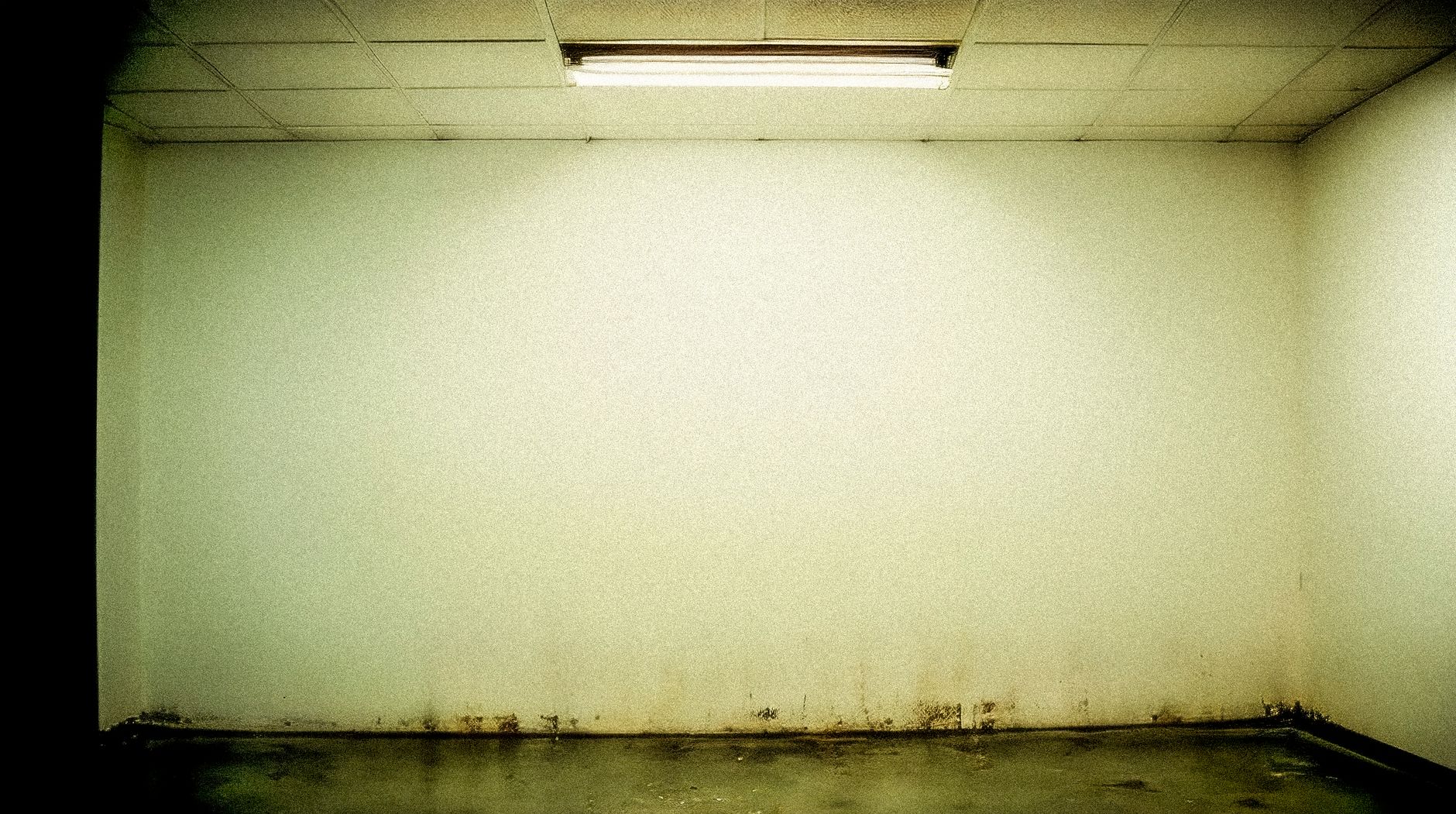
Even after thorough cleaning, mold can still hide in areas you might not expect. It’s advisable to have a professional mold inspection conducted, especially if you notice any musty odors or health symptoms like coughing or sneezing. A restoration expert can perform a comprehensive assessment and provide necessary remediation, such as bathroom mold removal or air duct mold removal.
Preventing Future Mold Growth
Prevention is key to avoiding mold growth in the future. Here are a few steps you can take:
- Ensure proper ventilation in areas like bathrooms and kitchens.
- Regularly inspect your home for leaks, especially around windows and doors.
- Use dehumidifiers in areas prone to moisture.
- Keep gutters clean and ensure proper drainage around your property.
By taking these precautions, you can significantly reduce the risk of mold growth and protect your property from future water damage.
If you are overwhelmed by the restoration process or have already noticed signs of mold, it’s wise to contact a local expert. For instance, Broward Restoration Pros offers comprehensive mold remediation services to help homeowners like you recover from water damage.
In conclusion, while flooding can be a distressing experience, taking proactive steps can safeguard your home from mold growth. Always remember to reach out for professional help when needed, especially to ensure a thorough inspection and remediation of any hidden mold. For more insights on preparing for mold growth after storm damage, you can explore this informative blog that provides valuable tips for homeowners.