The Critical Role Of Pre-Storm Home Inspections For Mold Prevention In Palm Beach
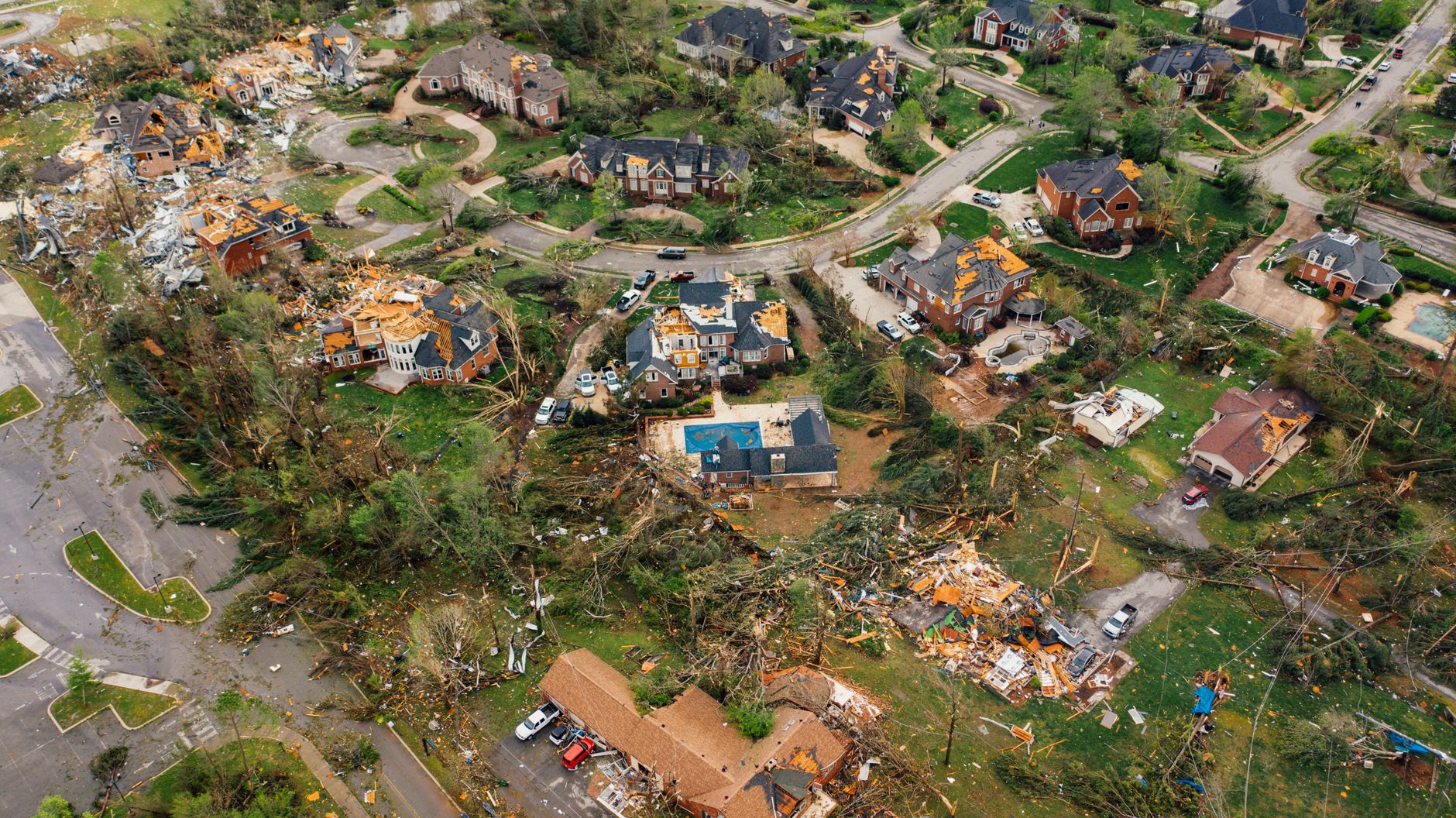
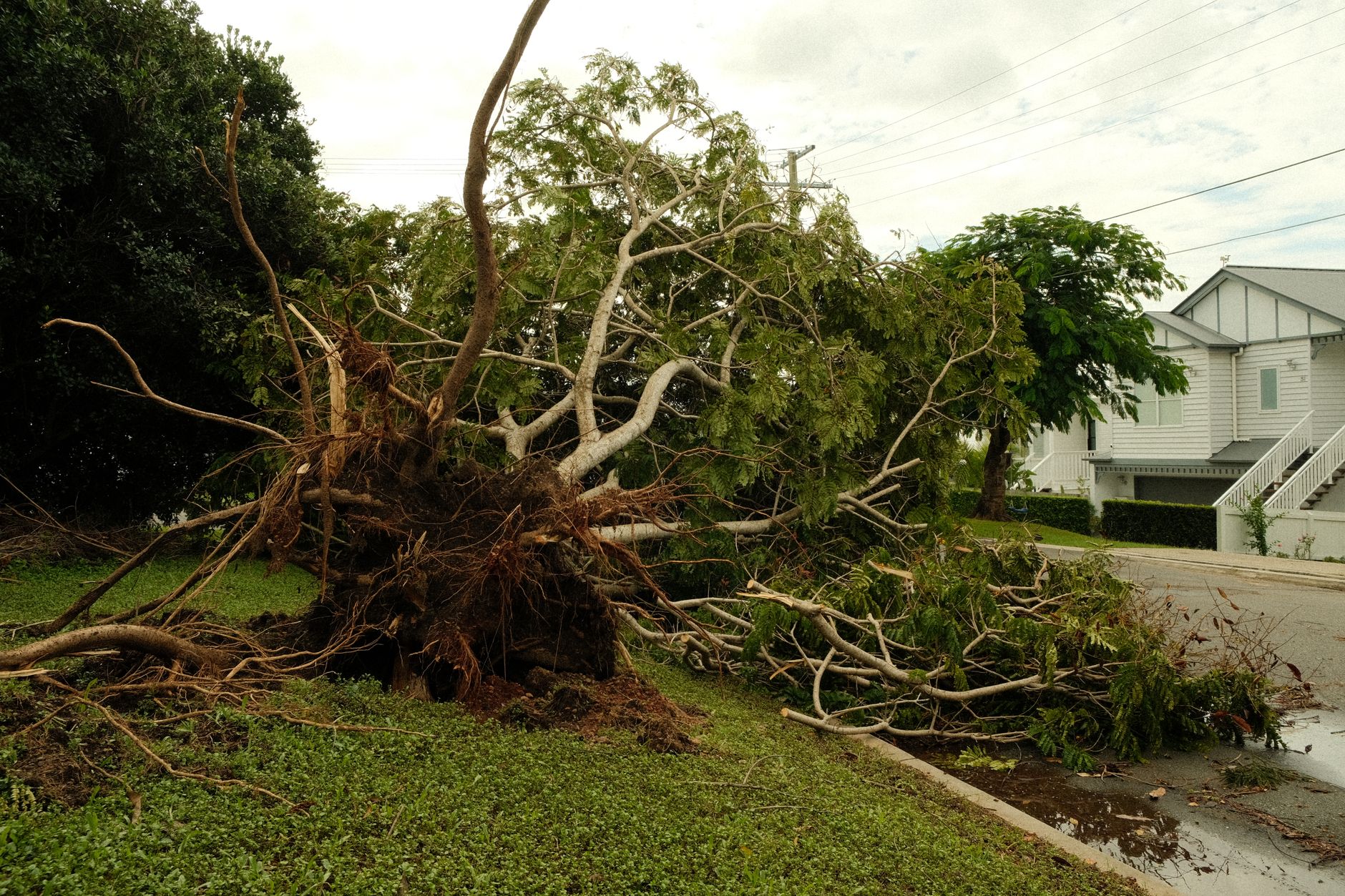
As a homeowner in Palm Beach, the thought of storms rolling in can be unsettling. While we often prepare for the immediate impacts of severe weather—like high winds and flooding—it’s crucial to understand how the aftermath can lead to a much more insidious problem: mold. This article will explore the importance of pre-storm home inspections focused on mold prevention, helping you safeguard your home and your family's health.
Understanding Mold Growth and Its Risks
Mold thrives in damp, warm environments—a condition that is all too common in Palm Beach, especially after heavy rains. Mold can cause structural damage to your home and pose serious health risks, particularly for those with respiratory issues. Understanding how and why mold grows will help you appreciate the critical role that inspections play in prevention.
Why Pre-Storm Inspections Matter
Before a storm hits, conducting a thorough inspection of your home can identify potential vulnerabilities. Here are some key areas to focus on:
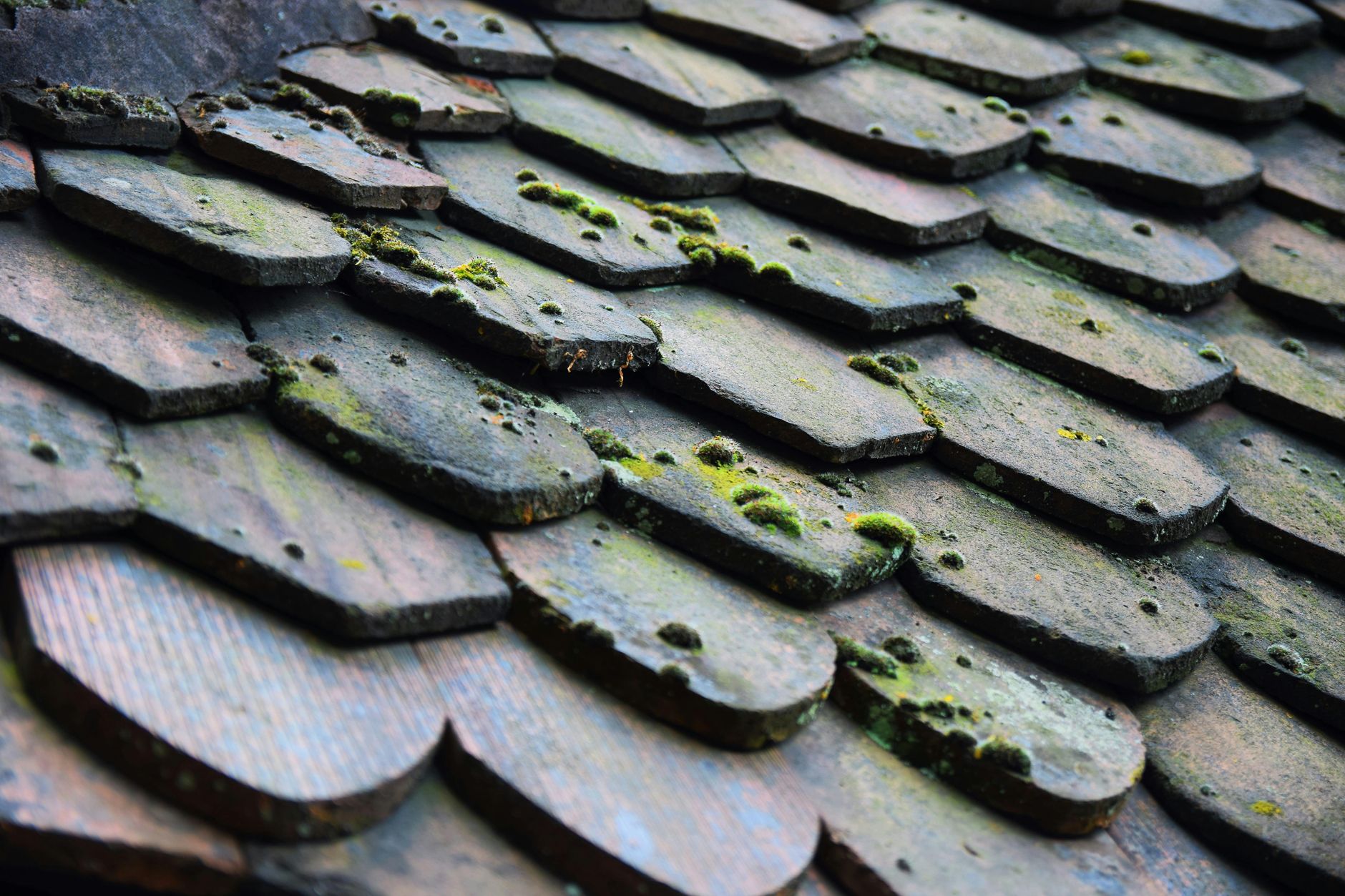
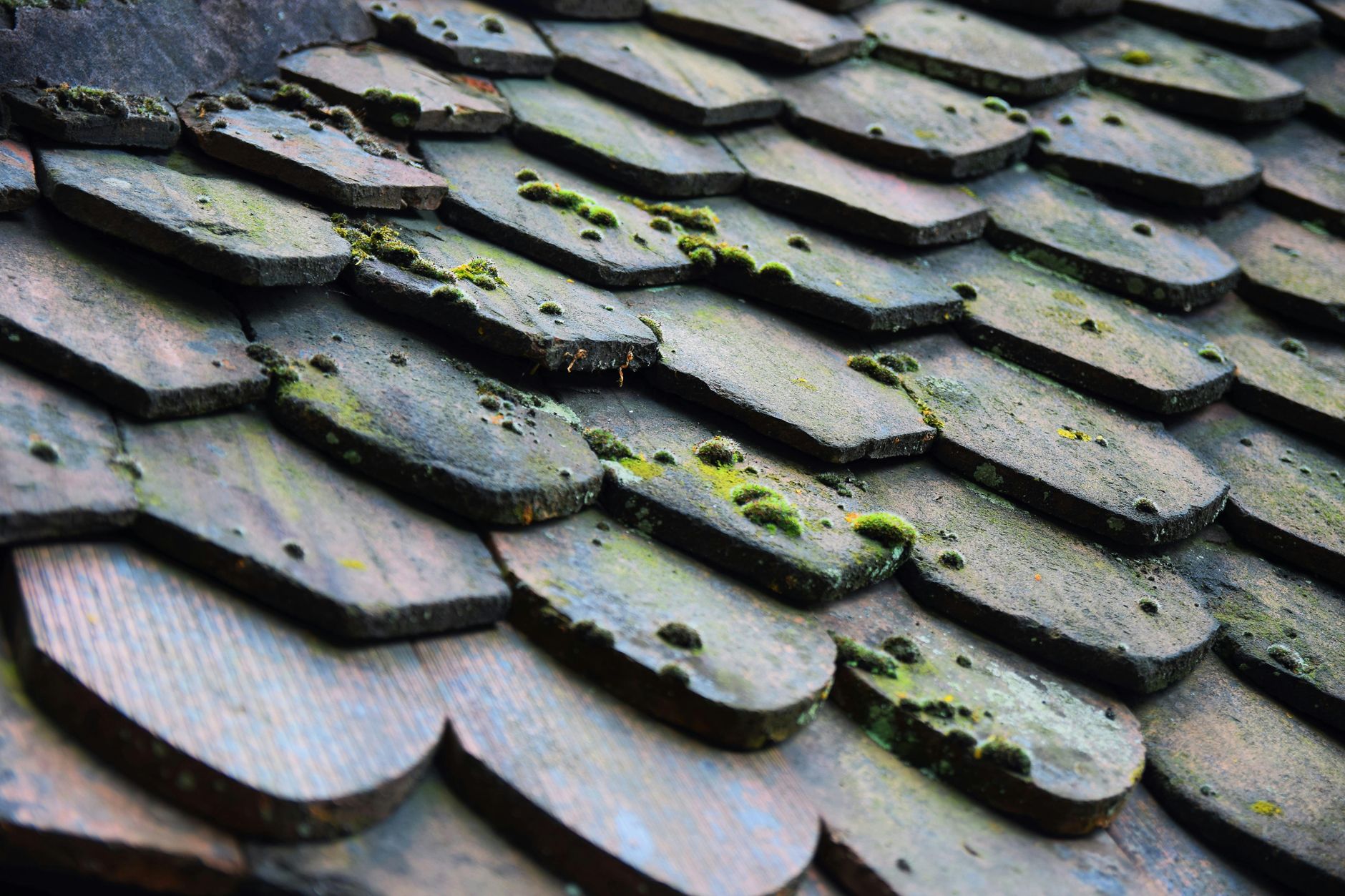
- Roof and Gutters: Check for any leaks, missing shingles, or blockages in gutters that could lead to water pooling.
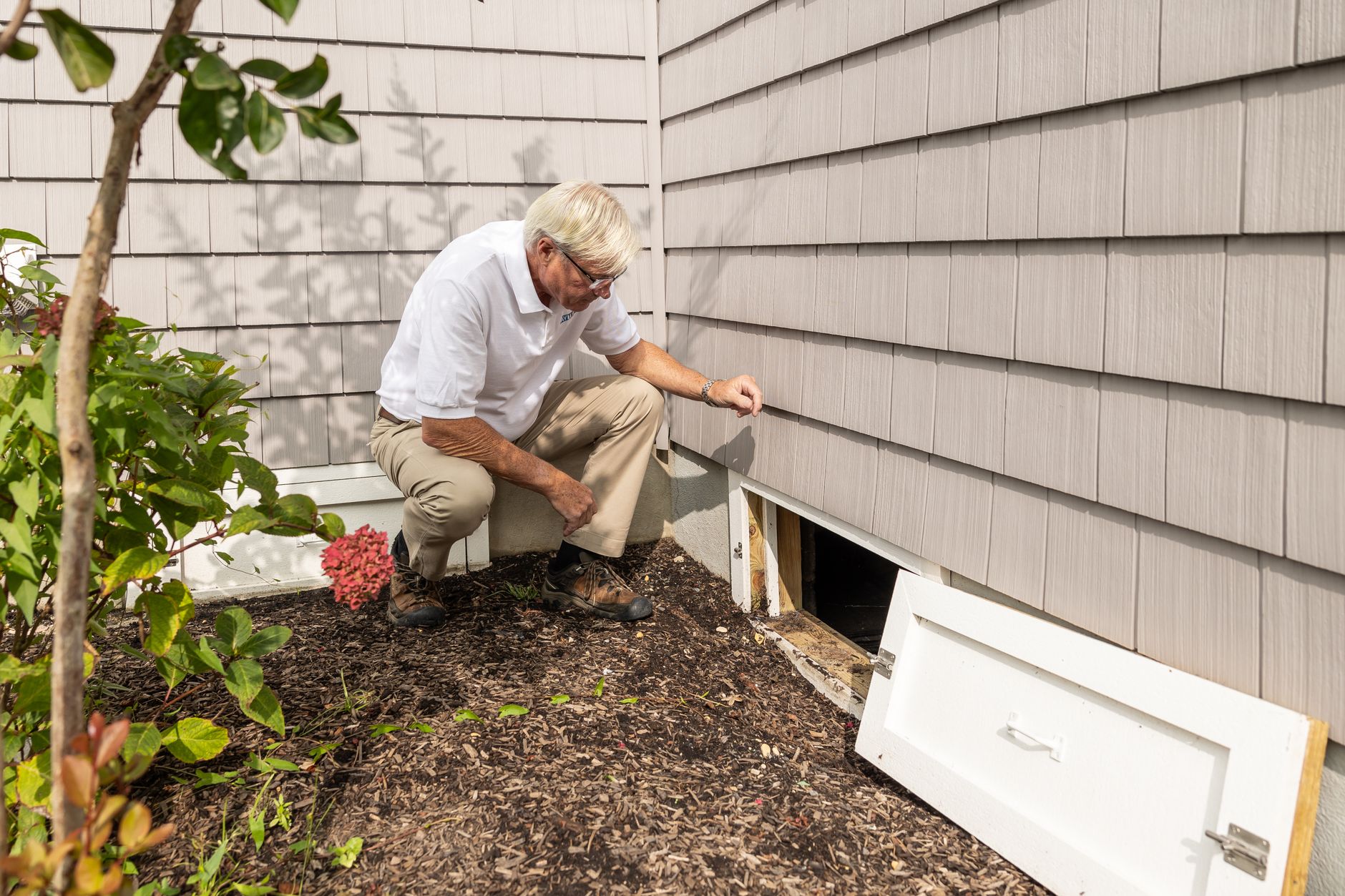
- Basements and Crawl Spaces: These areas are often the first to get damp. Inspect for any signs of moisture or previous water damage.
- Air Ducts: If your air ducts are contaminated with mold, they can spread spores throughout your home, especially when the AC kicks on.
By identifying these issues early, you can mitigate the risk of mold growth before it becomes a problem.
Steps for a Comprehensive Pre-Storm Inspection
Conducting a pre-storm inspection doesn’t have to be a daunting task. Here are some steps to guide you:
- Visual Inspection: Walk around your property to check for visible signs of water damage or leaks.
- Check Seals and Weatherstripping: Ensure that doors and windows are properly sealed to prevent water intrusion.
- Test Indoor Humidity Levels: Use a hygrometer to measure humidity. Ideally, indoor humidity should be below 60% to prevent mold.
If you discover any issues during your inspection, it’s best to consult a professional mold remediation service. Bathroom Mold Removal and Air Duct Mold Removal are critical services to consider if you find mold present.
When to Call a Professional
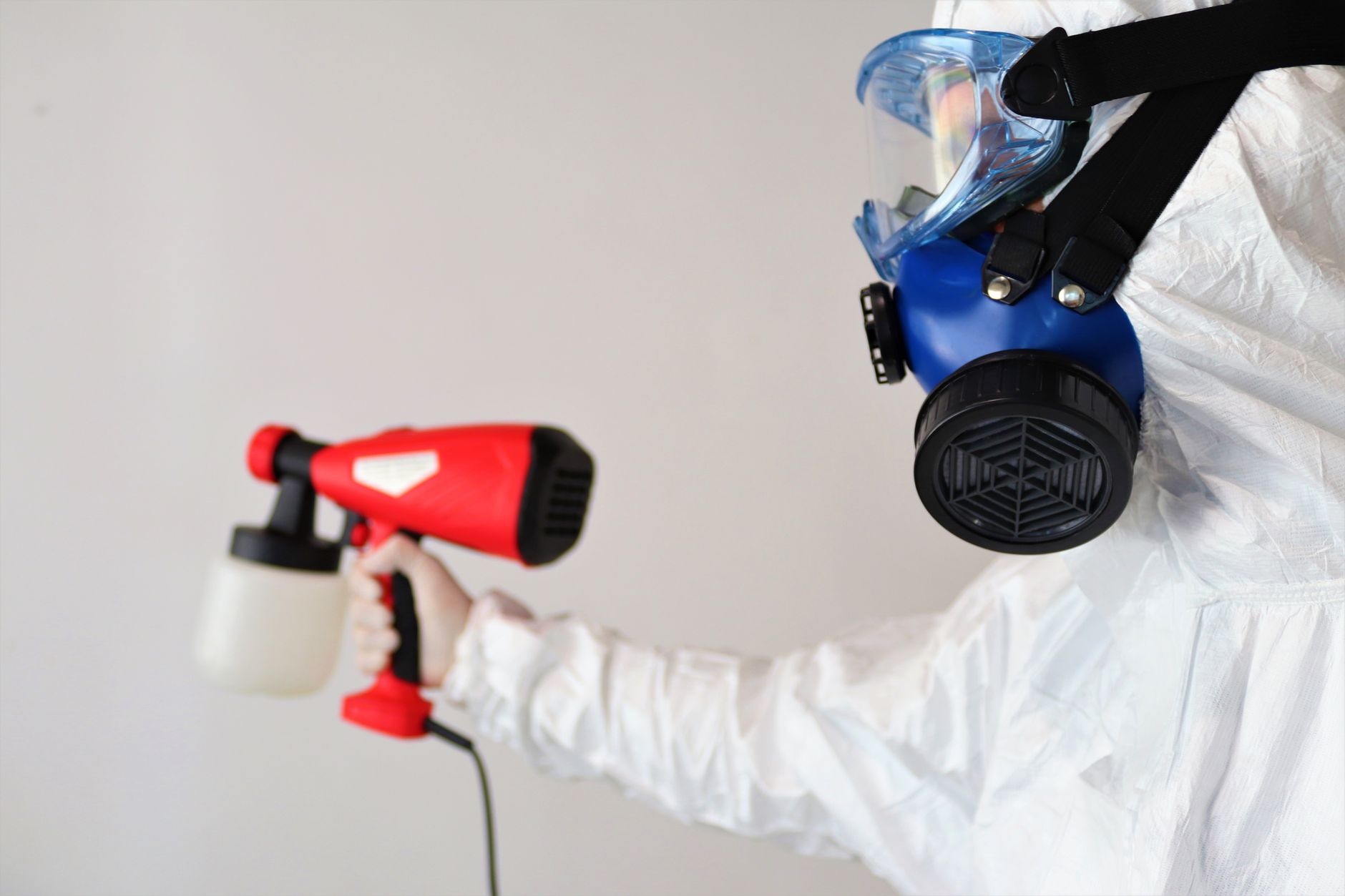
If your inspection reveals signs of mold or water damage that you cannot manage on your own, it’s essential to call a professional. Expert restoration teams can not only remove mold but also address the underlying moisture issues that may lead to future growth. Broward Restoration Pros provides comprehensive services in the Broward County area to tackle mold issues effectively.
Post-Storm Considerations
After a storm passes, it’s important to conduct another inspection to assess any damage that may have occurred. Pay special attention to basements and crawl spaces, as these areas can often be overlooked during initial assessments. If you notice any water accumulation or persistent humidity, it’s time to act quickly to prevent mold growth.
For ongoing prevention, consider controlling indoor humidity levels. A well-maintained air conditioning system can help manage moisture and improve air quality. For more insights, check out The Essential Role Of Humidity Control In Mold Prevention For Broward Homes.
Conclusion
Pre-storm inspections are a critical step in protecting your home from mold growth. By taking a proactive approach, you can identify vulnerabilities, mitigate risks, and ensure that your home remains a safe haven for you and your family. If you encounter any challenges during your inspection, remember that professional help is just a call away. Your home deserves the best protection, especially in a storm-prone area like Palm Beach.