The Ultimate Guide To Preventing Mold In Palm Beach County After Water Damage
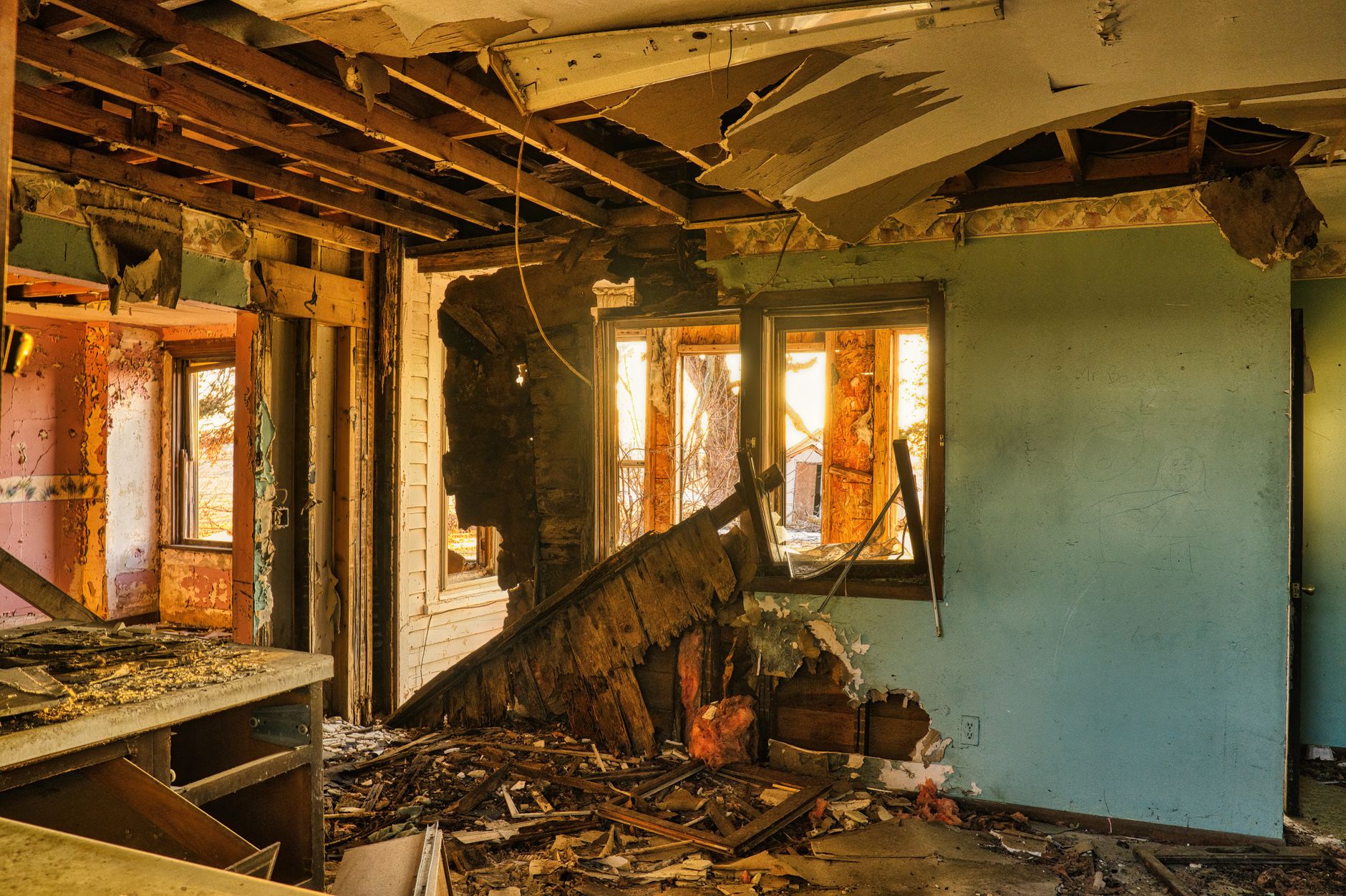
Experiencing water damage is a homeowner's nightmare, and the aftermath can be just as daunting. In Palm Beach County, where humidity levels often soar, the risk of mold growth following water damage escalates significantly. Understanding how to prevent mold is crucial for safeguarding your home and maintaining a healthy living environment.
Understanding Mold Growth
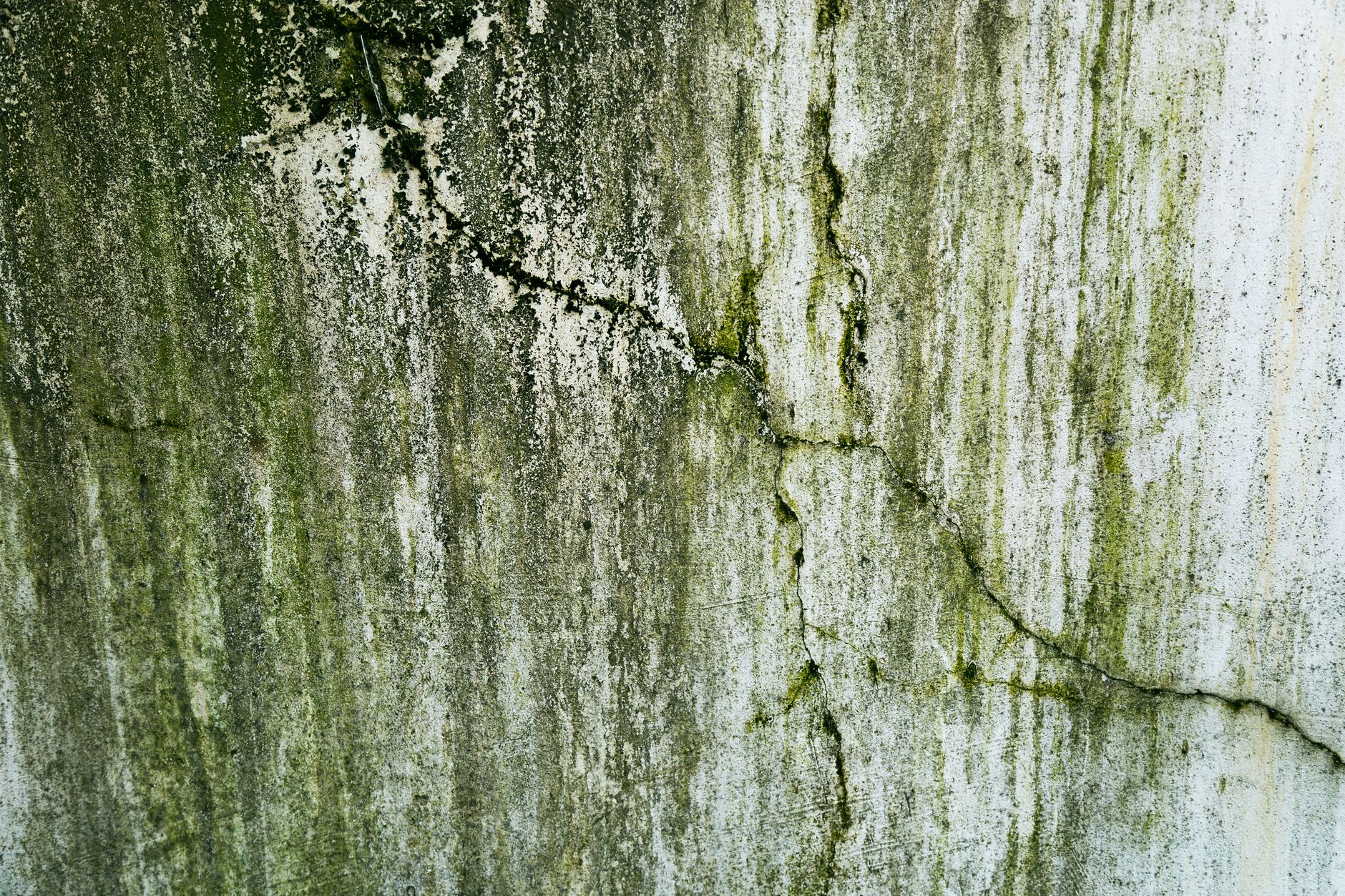
Mold spores are everywhere in our environment, and they thrive in moist, warm conditions. Once water damage occurs, whether from a burst pipe, a leaking roof, or flooding, it creates the perfect breeding ground for mold. If left unchecked, mold can spread rapidly, posing serious health risks to you and your family.
Immediate Actions After Water Damage
When you discover water damage, swift action is essential. Here are some steps you should take:
- Turn Off Water Sources: If the damage is due to a plumbing issue, shut off the main water supply to prevent further flooding.
- Remove Excess Water: Use mops, towels, or a wet/dry vacuum to remove standing water. If the water damage is extensive, you may need to call a professional restoration service.
- Dry the Area: Open windows and doors to increase air circulation. Fans and dehumidifiers can also help dry out the affected areas more quickly.
Preventing Mold Growth
Once you have addressed the immediate aftermath of water damage, it's time to focus on preventing mold growth. Here are several effective strategies:

1. Thoroughly Dry Everything
The quicker you can dry out the affected area, the better. Aim for drying within 24-48 hours after the leak or flood. Use fans and dehumidifiers, and consider professional drying services if necessary.
2. Remove Damaged Materials
Items that cannot be dried out properly, such as soaked drywall, carpets, and insulation, may need to be removed and replaced. Mold can grow in these materials, leading to larger issues down the line.
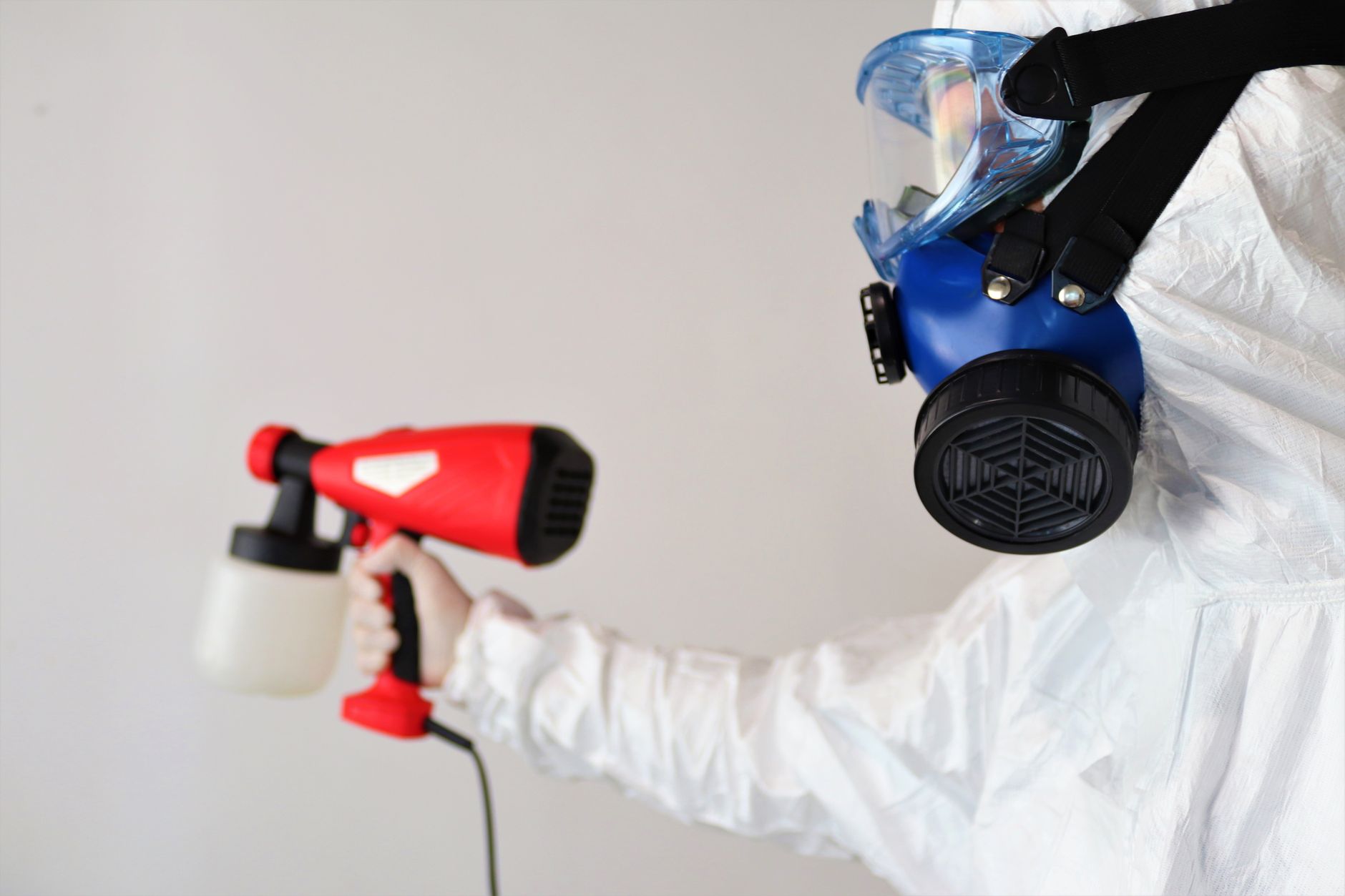
3. Use Antimicrobial Treatments
Applying antimicrobial solutions can help inhibit mold growth on surfaces. Products designed for this purpose can be sprayed in areas that are prone to dampness.
4. Maintain Indoor Humidity Levels
Keep indoor humidity levels below 50%. Using air conditioning and dehumidifiers can help control moisture, especially in hot and humid months.
5. Regular Maintenance
Regularly inspect your home for leaks and moisture. Pay attention to areas like under sinks, around toilets, and in the attic. Early detection can save you from extensive mold remediation later.
6. Ventilation is Key
Ensure that your home is well-ventilated. Use exhaust fans in bathrooms and kitchens to reduce moisture levels. If possible, open windows to promote airflow.
When to Call a Professional
If water damage is extensive or if you notice signs of mold growth, it may be time to reach out to a professional restoration service. Experts like Broward Restoration Pros can assess the situation, conduct mold inspections, and provide thorough remediation services.
Insurance and Mold Growth
It’s also important to understand your homeowner’s insurance policy regarding mold damage. Many policies cover mold remediation if it was caused by a covered peril, such as a burst pipe. However, mold that develops from negligence, like failing to fix a leak, may not be covered. Always check your policy and consult with your insurance agent.
Stay Informed
For more insights on mold prevention and recovery, consider reading this essential guide on preparing for mold growth after storm damage. Staying informed empowers you to take proactive steps to protect your home.
Conclusion
Preventing mold growth after water damage in Palm Beach County requires immediate action, ongoing vigilance, and sometimes professional help. By following the steps outlined in this guide, you can mitigate the risks associated with mold and ensure a safe, healthy environment for your family.