The Role Of Quick Mold Assessment In Post-Flood Recovery For Palm Beach Homes
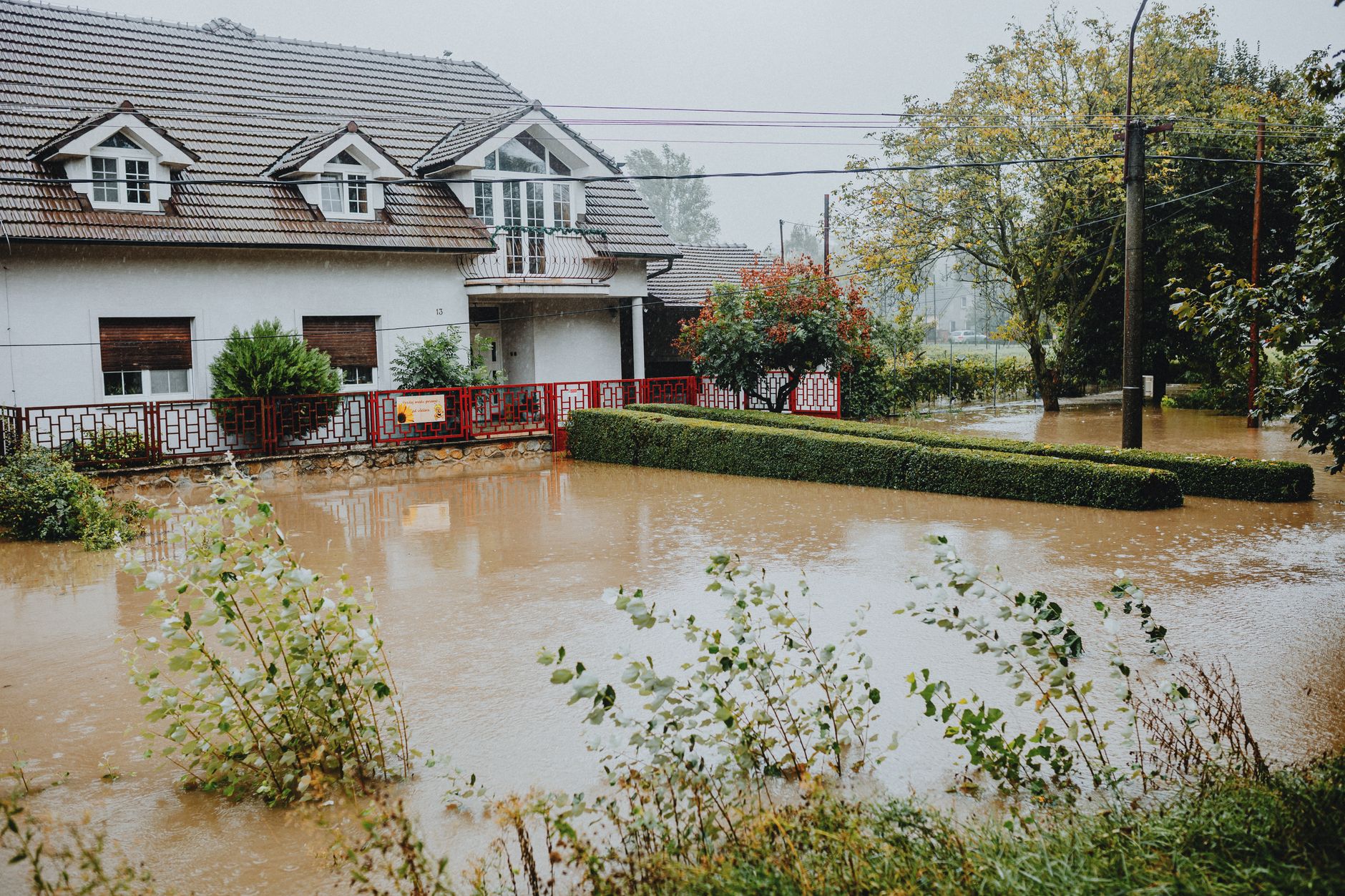
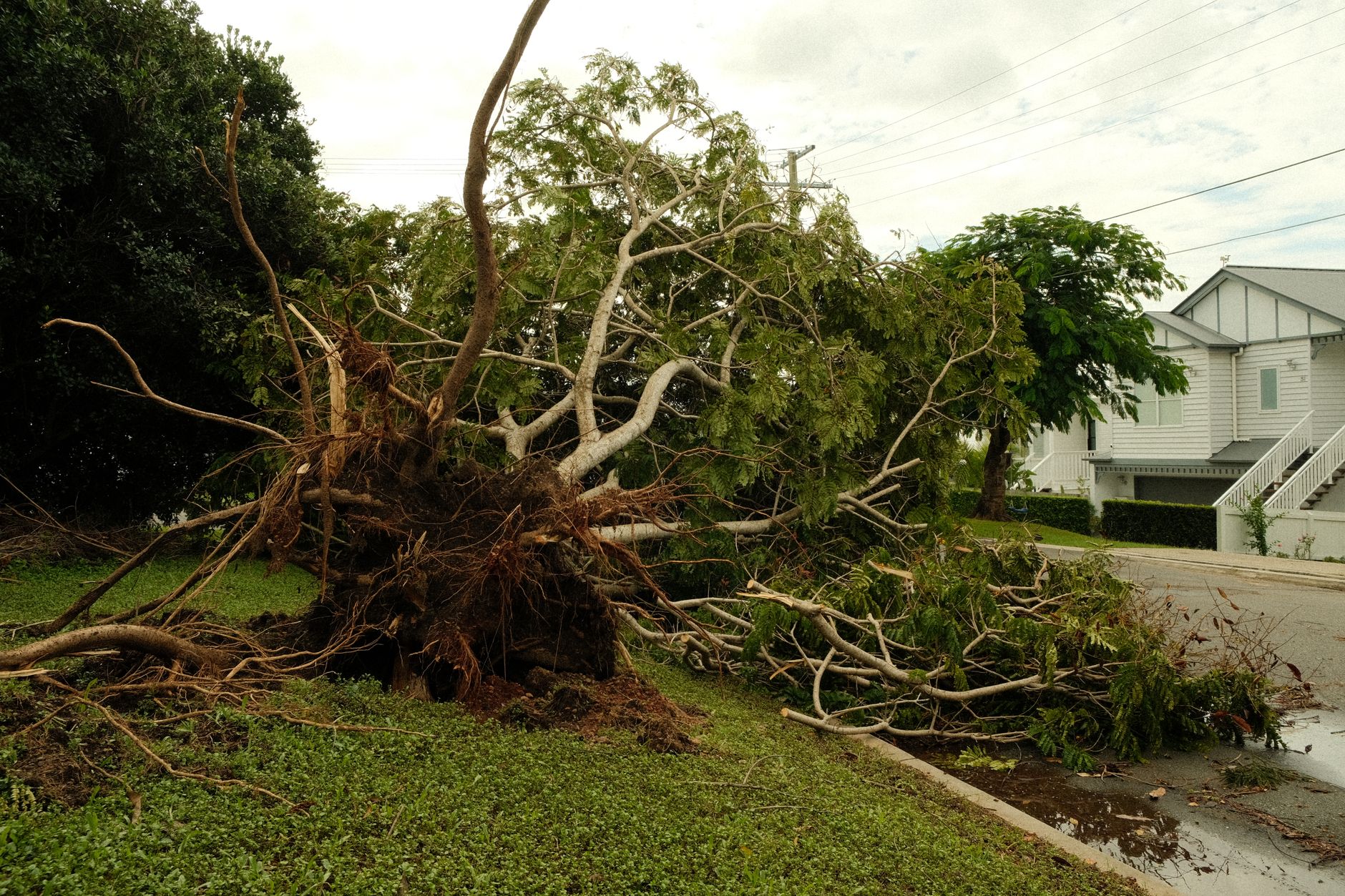
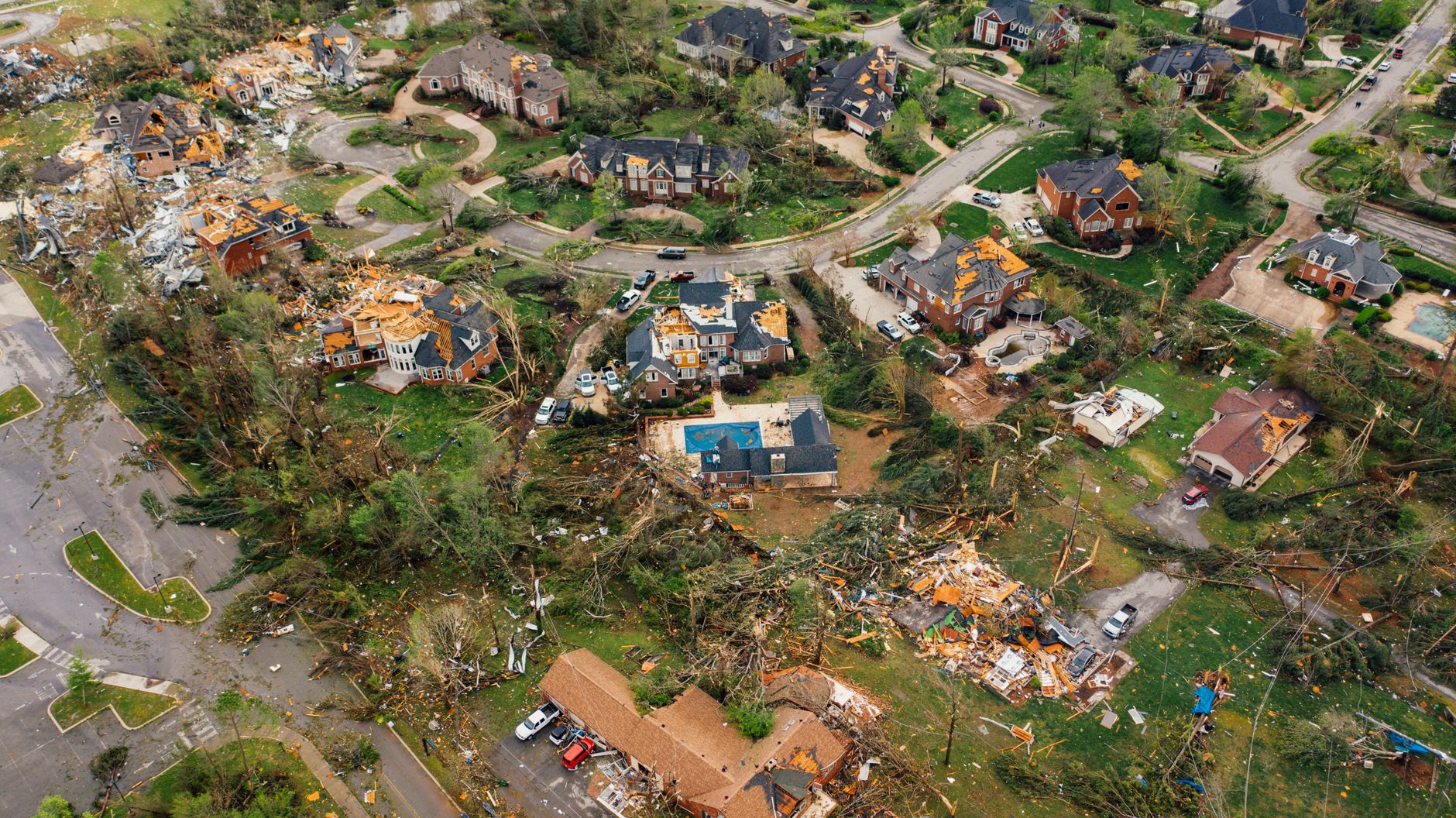
Experiencing a flood in your home can be devastating, leaving you with not just the physical damage to repair but also the emotional toll that comes with it. In Palm Beach, where tropical storms can lead to sudden and unexpected flooding, understanding the importance of quick mold assessment is crucial for your recovery.
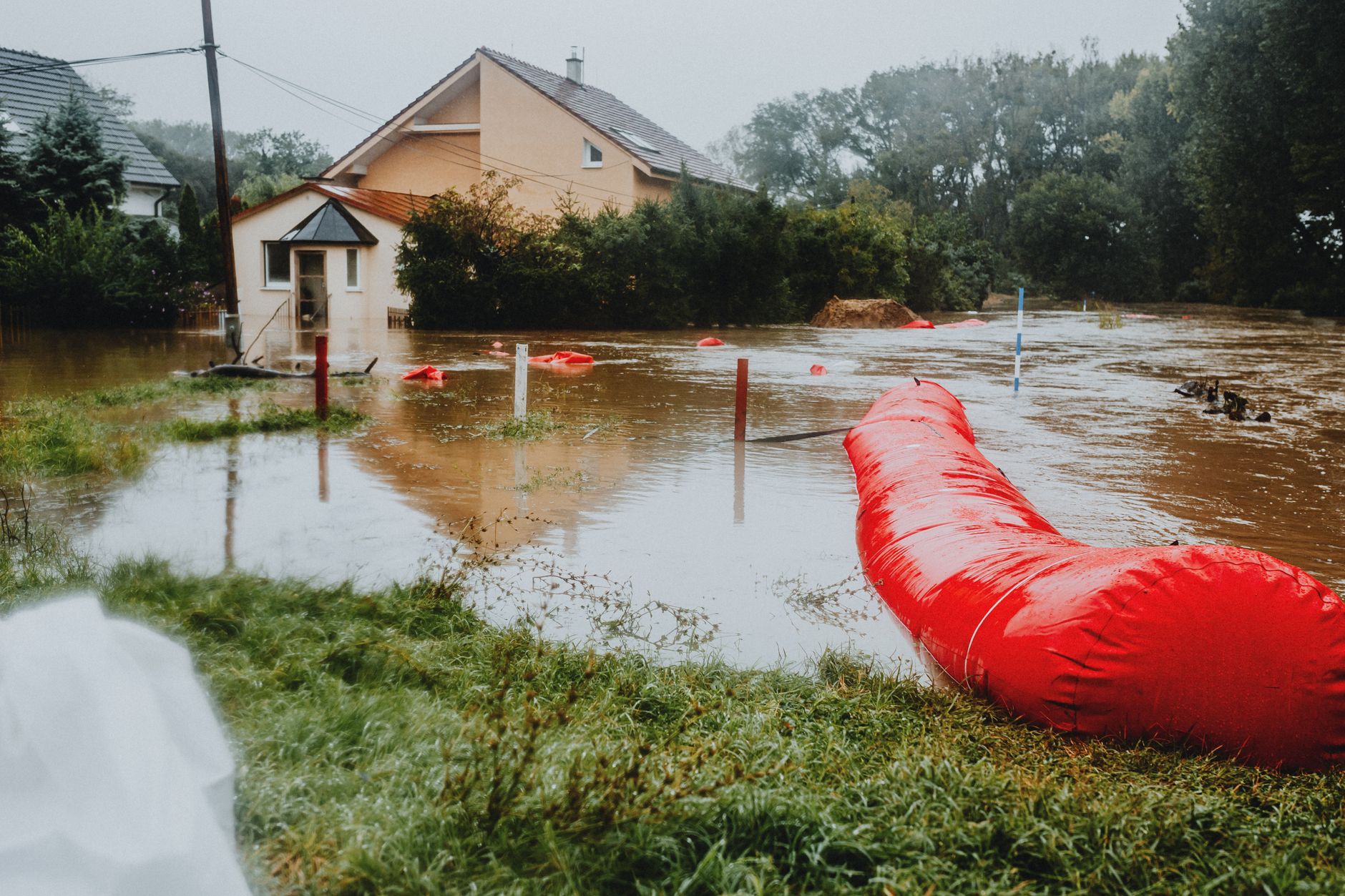
After the waters recede, the clock starts ticking. Mold can begin to grow within 24 to 48 hours in wet environments, which is why taking immediate action is essential. This is where quick mold assessment becomes a vital part of your post-flood recovery plan.
Understanding Mold Growth
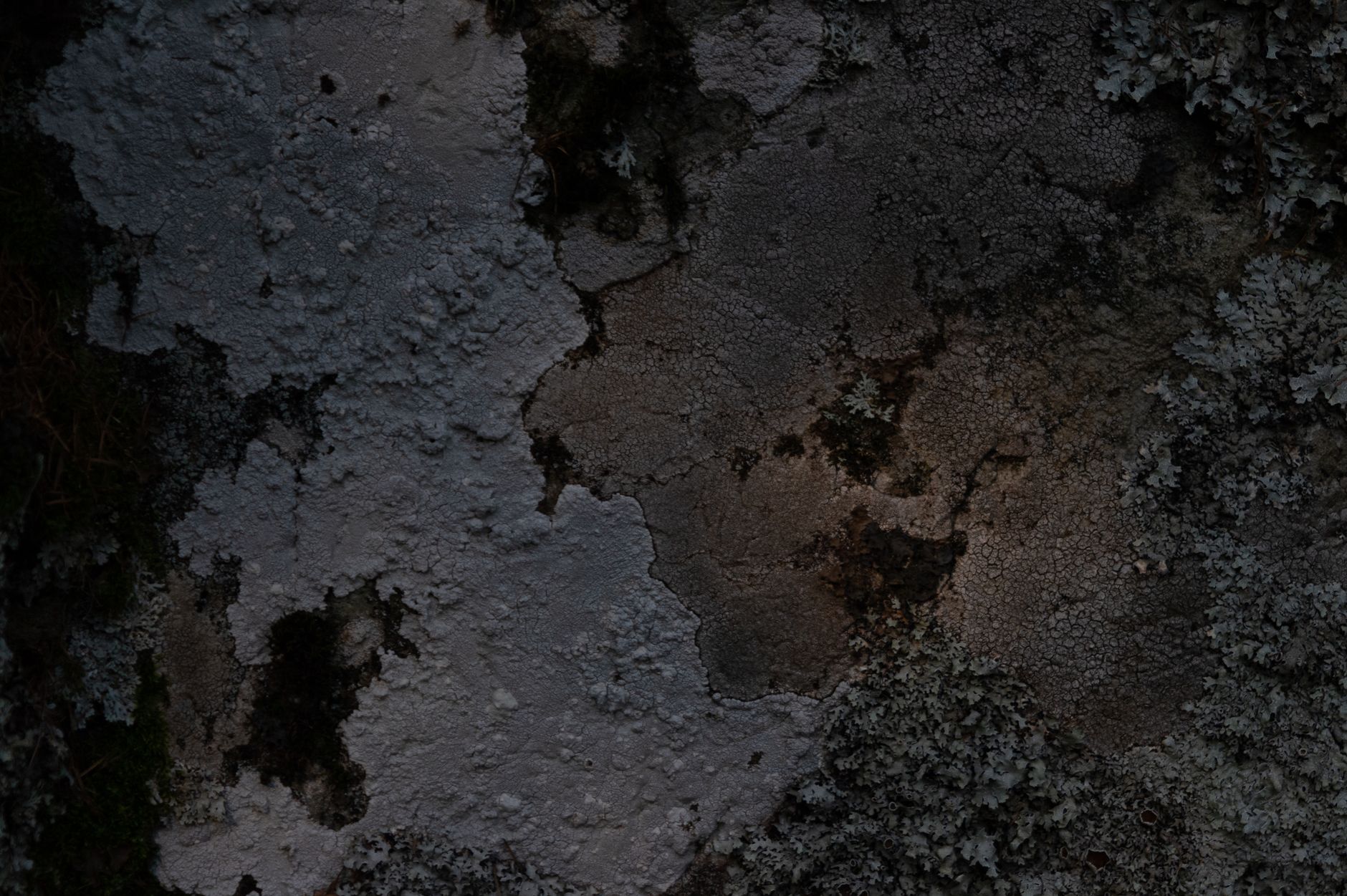
Mold spores are naturally occurring and can be found almost everywhere, both indoors and outdoors. However, when these spores find a damp and warm environment, like your flooded home, they can quickly proliferate. Not only can mold lead to structural damage, but it can also pose serious health risks, particularly for those with respiratory issues or weakened immune systems.
During a flood, the risk of mold increases dramatically. Waterlogged carpets, drywall, and wooden surfaces can become breeding grounds for mold if they are not dried and treated promptly. Therefore, assessing the extent of water damage and potential mold growth should be one of your first steps after ensuring your safety and that of your family.
Steps for Quick Mold Assessment
Conducting a quick mold assessment involves several key steps:
- **Check for Visible Mold**: Inspect areas that are likely to retain moisture, such as basements, under sinks, and around windows.
- **Smell for Musty Odors**: A strong, earthy smell can indicate hidden mold growth.
- **Assess Moisture Levels**: Use a moisture meter to check for dampness in walls and floors. If levels are above normal, mold may be present.
If you discover visible mold or high moisture levels, it’s time to call in a professional. Relying on a restoration expert can help you avoid the health risks associated with mold exposure and ensure that the remediation process is thorough.
When to Call a Professional
While some homeowners may attempt DIY mold removal, the complexities of mold growth often require professional intervention. If you notice extensive mold growth, or if the affected area is larger than 10 square feet, it’s best to contact a certified mold remediation specialist. These professionals have the training and equipment necessary to safely and effectively remove mold from your home.
In addition to mold assessment and removal, professionals can also help you navigate the insurance claims process. It’s important to document all damages and repairs, as this can significantly affect your coverage and potential reimbursement. You can learn more about the claims process in our Insurance & Claims Help section.
Preventing Future Mold Growth
Once your home is clear of mold, it’s crucial to take steps to prevent future growth. Here are a few strategies:
- **Control Humidity Levels**: Keep indoor humidity below 50% by using dehumidifiers and air conditioning.
- **Ventilate Properly**: Ensure your home is well-ventilated, particularly in areas prone to moisture like bathrooms and kitchens.
- **Inspect Regularly**: Conduct routine inspections of your home to catch any potential leaks or dampness early.
For more in-depth advice on how to control humidity and prevent mold, check out this informative article on humidity control and mold prevention.
Post-flood recovery in Palm Beach can be overwhelming, but understanding the role of quick mold assessment can significantly ease the burden. Taking swift action protects not only your property but also the health of your family. If you need immediate assistance, don’t hesitate to reach out to our team or consider a local expert like Broward Restoration Pros. We’re here to help you every step of the way in restoring your home.