The Essential Guide To Understanding Water Damage Restoration Techniques In Palm Beach
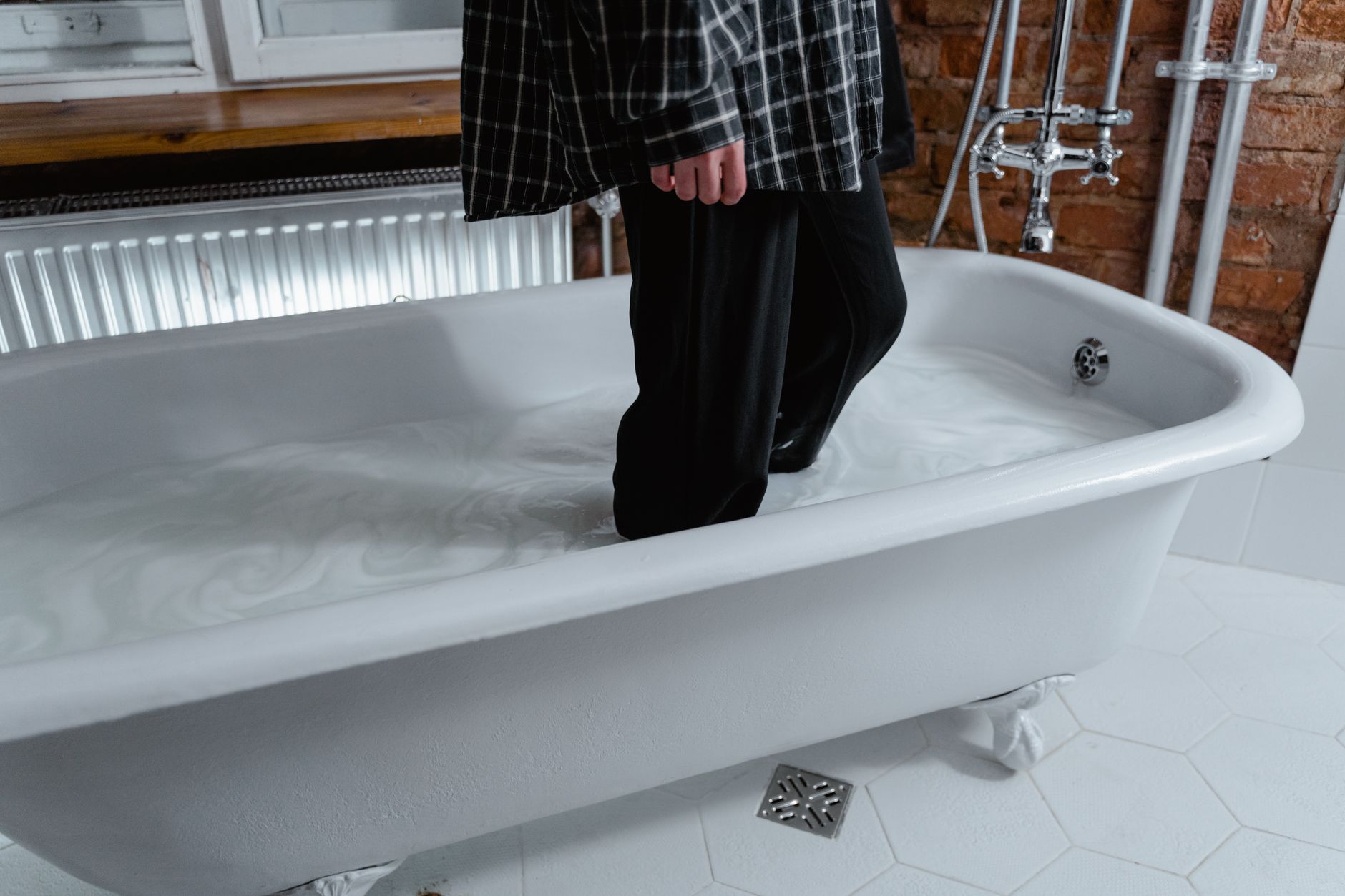
Water damage can be a homeowner's worst nightmare. Whether it’s from a burst pipe, a leaking roof, or a malfunctioning appliance, the aftermath can be devastating. In Palm Beach, where humidity can exacerbate these issues, understanding water damage restoration techniques is crucial for protecting your home and family.
When water infiltrates your home, the damage can escalate rapidly. Initial concerns often center around structural integrity, but it’s essential to consider the long-term effects, such as mold growth or compromised air quality. This guide will walk you through effective restoration techniques and when to seek professional help.
Identifying the Source of Water Damage
The first step in addressing water damage is identifying the source. Common causes include:
- Plumbing Leaks: Issues such as burst pipes or leaking fixtures can lead to significant water accumulation.
- Roof Leaks: Damage from storms or wear and tear can allow water to seep into your home.
- Appliance Malfunctions: Dishwashers and washing machines can leak, causing hidden damage.
Once you’ve identified the source, it’s crucial to stop the flow of water. This may involve shutting off the main water supply or turning off the appliance.
Water Extraction and Drying
After controlling the source of water, the next step is extraction. This process involves removing standing water from affected areas. Professional restoration services utilize powerful pumps and vacuums to extract water quickly and effectively. Once extraction is complete, drying is crucial. High-velocity fans and dehumidifiers are often deployed to ensure that all moisture is removed from the structure and materials.
In Palm Beach, where the climate can be humid, drying thoroughly is vital to prevent mold growth. Mold can begin to develop within 24 to 48 hours after water exposure, making prompt action essential.
Cleaning and Sanitizing
Once the area is dry, the next phase is cleaning and sanitizing. This step aims to remove contaminants and prevent microbial growth. Depending on the severity of the water damage, this may involve:
- Cleaning and disinfecting surfaces with antimicrobial agents.
- Removing contaminated materials such as drywall or insulation.
- Conducting a thorough inspection for any hidden moisture.
If the water damage is extensive, it may be necessary to consult with professionals who specialize in mold remediation to ensure your home remains safe.
Restoration and Reconstruction
The final step in water damage restoration is reconstruction. This may involve repairing or replacing damaged materials, such as:
- Drywall and insulation
- Flooring
- Cabinetry and fixtures
Reconstruction can vary widely depending on the extent of damage and may require permits or inspections, particularly in Palm Beach. It’s essential to work with licensed professionals who understand local building codes and can ensure quality work.
When to Call a Professional
While some homeowners may be inclined to handle minor water damage themselves, it’s often wise to consult with a professional restoration service. Consider reaching out for help if:
- The water damage is extensive or covers a large area.
- You suspect mold growth, especially if there are health concerns.
- You are uncertain about the source of the water damage.
Professionals have the knowledge, tools, and experience to tackle these situations effectively and can often save you from more costly repairs down the line.
Insurance Considerations
Before initiating any restoration work, check your homeowner's insurance policy. Most insurance plans cover water damage resulting from sudden and accidental incidents, such as burst pipes, but may not cover damage from neglect or long-term leaks. Understanding your coverage can help you navigate the financial aspects of restoration.
If you’re currently dealing with a water damage crisis, don’t hesitate to reach out for immediate assistance. Local services such as Broward Restoration Pros offer 24-hour water damage restoration services and can provide the expertise you need to restore your home effectively.
In conclusion, understanding water damage restoration techniques is vital for every homeowner in Palm Beach. By knowing the steps involved and when to seek professional assistance, you can mitigate the impact of water damage and protect your home from further issues. For additional insights on identifying water damage, consider reading this helpful blog post.